Untuk pengecer otomotif, penyedia layanan, dan pengemudi, wiper blade merupakan bagian kecil yang mempunyai pengaruh besar terhadap keselamatan, kepercayaan pelanggan, dan penjualan berulang. Sebagai produsen bilah penghapus khusus, CLWIPER membantu Anda menjawab pertanyaan yang diajukan pelanggan Anda setiap hari, dengan cara yang secara teknis benar tetapi mudah dimengerti.
Artikel ini memberikan peta jalan komprehensif untuk menjawab pertanyaan teknis paling umum, mulai dari perbedaan teknik antara arsitektur balok dan hibrida hingga strategi pemasangannya 95% kendaraan penumpang yang dilindungi oleh sistem adaptor modern. Kami menguraikan akar penyebab fisik dari gejala kinerja seperti celoteh dan pukulan berirama, memberi Anda fakta yang diperlukan untuk mendidik pelanggan tentang mengapa penggantian tepat waktu sangat penting untuk mencegah kerusakan permanen pada kaca depan.
Seberapa sering saya harus mengganti bilah penghapus saya?
Kebanyakan pengemudi harus mengganti bilah penghapusnya setiap kali6–12 bulan, atau lebih cepat jika jarak pandang berkurang. Panas, UV, salju, dan es memperpendek umur pisau, jadi iklim yang keras mungkin memerlukan siklus 6 bulan.
- Periksa pisau Anda setidaknya dua kali setahun apakah ada keretakan, karet keras, atau pembersihan yang buruk.
- Jika Anda melihat garis-garis, Melewati, atau mendengar kebisingan, menggantinya meskipun usianya kurang dari satu tahun.

Faktor-Faktor yang Mempengaruhi Masa Pakai dan Keausan Layanan
- paparan sinar UV dan ozon
- Sinar matahari dan ozon secara bertahap memecah polimer karet, membuat tepi penyeka menjadi lebih keras, berkilau, dan lebih besar kemungkinannya untuk retak.
- Kendaraan yang sebagian besar diparkir di luar ruangan biasanya akan mencapai akhir masa pakai pisau amannya lebih cepat dibandingkan kendaraan yang disimpan di garasi.
- Suhu ekstrem dan iklim
- Perubahan besar antara panas dan dingin menyebabkan karet mengembang dan berkontraksi, mempercepat kelelahan dan kerusakan permukaan.
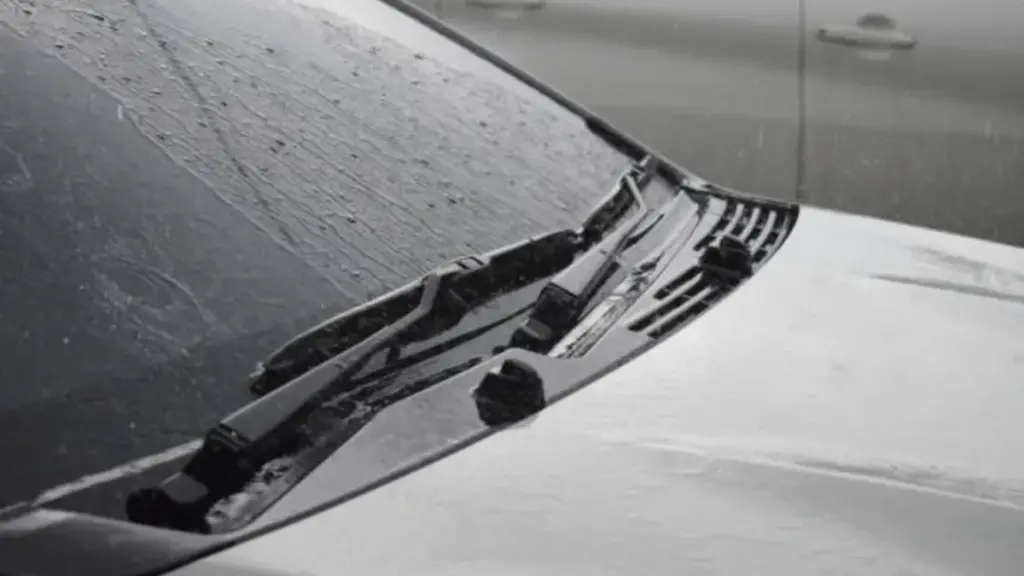
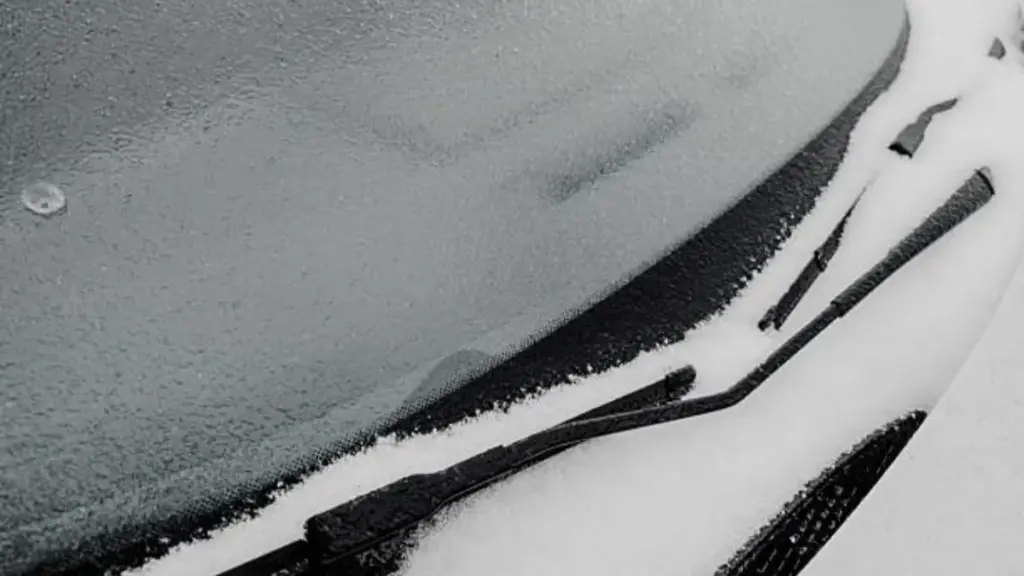
- Di pasar yang sangat panas, suhu tinggi yang konstan dapat “memanggang” karet; di daerah beriklim dingin, es dan salju memuat tepi dan bingkai.
- Kontaminasi jalan dan bahan kimia
- pasir jalan, debu, dan residu serangga bertindak seperti bahan abrasif halus ketika terperangkap di bawah mata pisau, mengikis bibir yang menyeka.
- Menghilangkan garam, aditif mesin cuci, dan lapisan film lalu lintas dapat menyerang karet secara kimia seiring waktu jika kaca dan bilahnya tidak dibersihkan secara teratur.
- Tekanan mekanis dan kondisi penggunaan
- Mengoperasikan wiper pada akaca depan kering atau hampir kering meningkatkan gesekan, menyebabkan tepinya aus dan berubah bentuk lebih cepat.
- Penggunaan berat pada kecepatan jalan raya, di salju atau di permukaan kaca yang kasar, memuat bilah dan struktur pendukung lebih dari ringan, penggunaan sesekali.
- Kebiasaan perawatan dan perilaku pengemudi
- Banyak pengemudi yang menunggujauh melampaui interval yang direkomendasikan sebelum mengganti bilah, sering kali hanya bereaksi ketika kinerja penghapusan jelas-jelas buruk.
- Melewatkan langkah perawatan sederhana—seperti membersihkan kaca depan dan tepi karet—memungkinkan kotoran dan lapisan film menumpuk, yang mempercepat keausan.
Apa tandanya wiper blade saya perlu diganti?
Bilah penghapus Anda perlu diganti jika meninggalkan goresan, kehilangan tempat, lewati kaca, atau mengeluarkan suara mencicit/berceloteh. Retakan yang terlihat, pemisahan, atau bingkai yang bengkok juga merupakan tanda peringatan yang jelas.
| Gejala Kinerja | Akar Penyebab Fisik | Tindakan yang Direkomendasikan |
|---|---|---|
| Goresan dan Noda | Alat pembersih karet yang mengeras atau retak | Segera ganti bilahnya |
| Melewatkan dan Mengobrol | Rangka bengkok atau hilangnya kelenturan karet | Periksa bingkai dan ganti |
| Bunyi Mencicit | Gesekan tinggi dari material kering/tua | Ganti untuk mencegah kaca tergores |
| Pemisahan yang Terlihat | Kerusakan akibat sinar UV dan degradasi material | Penggantian musiman (6-12 bulan) |
Jika Anda melihat gejala-gejala ini, Anda dapat memilih pengganti yang sesuai dari kami jangkauan bilah wiper depan.
Apakah semua bilah penghapus sama?, atau ada jenis yang berbeda?
TIDAK, ada tiga jenis utama bilah penghapus: Bilah penghapus konvensional, Bilah penghapus balok, Danbilah penghapus hibrida. Mereka berbeda dalam desain, distribusi tekanan, dan aerodinamis, dan harus sesuai dengan sambungan dan ukuran lengan kendaraan Anda.
| Jenis Blade Wiper | Definisi | Keuntungan | Kerugian | Jenis Kendaraan yang Cocok |
|---|---|---|---|---|
| Konvensional / Tradisional | Rangka logam artikulasi dengan “cakar” multi-tautan yang mendistribusikan tekanan ke alat pembersih karet. | Hemat biaya, kompatibel secara luas, desain sederhana. | Tekanan tidak merata pada kaca depan yang melengkung, gaya angkat angin yang lebih tinggi dengan kecepatan. | Kendaraan yang lebih tua, penggantian anggaran. |
| Balok / Tanpa bingkai | Lengkung, desain satu bagian dengan baja pegas pra-tarik internal untuk tekanan seragam. | Bahkan tekanan pada kaca, berkurangnya gaya angkat angin, Operasi yang tenang, tahan es. | Biaya yang lebih tinggi, beberapa adaptor mungkin diperlukan untuk lengan penghapus yang lebih tua. | Sedan masa kini, SUV, kendaraan dengan kaca depan melengkung. |
| Hibrida | Kombinasi rangka logam internal dan cover/spoiler plastik aerodinamis. | Tahan lama, stabilitas kecepatan tinggi, kinerja semua cuaca, melindungi komponen internal. | Sedikit lebih mahal, kurang umum dibandingkan tipe konvensional. | Kendaraan penumpang yang mencari keseimbangan kinerja dan daya tahan. |
Solusi Wiper Berkinerja Tinggi untuk Pasar Global
Bagaimana saya tahu ukuran bilah penghapus yang dibutuhkan mobil saya?
Anda dapat menemukan ukuran yang benar di manual pemilik Anda, dengan menggunakan pencarian online (tahun/merek/model), atau dengan mengukur bilah yang ada. Banyak kendaraan menggunakan panjang yang berbeda pada sisi pengemudi dan penumpang, dan bilah belakang biasanya lebih pendek.
- Bilah depan umumnya berkisar antara 16″ hingga 28″, dan membesarkan dari sekitar 11″ hingga 16″.
- Usahakan sesuai dengan ukuran aslinya; perbedaan lebih dari ±1″ tidak disarankan.
Spesifikasi Ukuran Standar dan Aturan Toleransi Perlengkapan
| Jenis Kendaraan / Model | Bilah Sisi Pengemudi | Bilah Sisi Penumpang | Bilah Belakang (jika berlaku) | Toleransi Perlengkapan |
|---|---|---|---|---|
| Sedan Standar | 24″ | 19″–20″ | T/A | ±1″ |
| Audi A4 (2010–2025) | 24″ | 20″ | T/A | ±1″ |
| Audi A3 | 26″ | 19″ | T/A | ±1″ |
| Wiper Belakang untuk Hatchback/SUV | T/A | T/A | 11″–16″ | ±1″ |
Bisakah saya memasang sendiri bilah penghapus baru, atau haruskah saya pergi ke profesional?
Kebanyakan pengemudi dapat mengganti sendiri bilah penghapus hanya dalam beberapa menit, tanpa alat khusus. Pisau modern didesain dengan sederhana konektor bilah wiper seperti J‑hook atau tab jepit untuk memudahkan pemasangan DIY.
- Angkat lengan wiper, lepaskan pedang lama, dan klik pisau baru dengan kuat pada tempatnya.
- Letakkan handuk di atas kaca untuk melindungi kaca depan jika lengan telanjang tersentak ke belakang.
Untuk pemasangan tanpa kerumitan dan bilah berkualitas tinggi, mempertimbangkan ALAT PEMOTONG, yang menawarkan wiper yang kompatibel dan panduan profesional untuk semua jenis kendaraan.
Mengapa bilah penghapus saya berdecit, berceloteh atau membuat keributan?
Suara bising wiper terjadi ketika gesekan antara bilah dan kaca menjadi terlalu tinggi atau tidak rata. Hal ini biasanya disebabkan oleh kaca yang kotor, sisa lilin atau pelapis, karet yang sudah usang, atau tekanan lengan wiper yang salah.
- Bersihkan kaca depan dan tepi karet dengan pembersih yang sesuai untuk menghilangkan lilin dan lapisan tipis.
- Jika kebisingan terus berlanjut setelah dibersihkan, bilahnya mungkin aus atau tidak sejajar dan harus diganti.
Bagi pengemudi yang sering berkendara saat hujan lebat, kita Bilah penghapus balok memberikan lebih stabil, menyeka dengan tenang pada kecepatan jalan raya.
Mengapa wiper saya meninggalkan goresan, noda atau noda yang terlewat pada kaca depan?
coretan, kabut, atau area yang terlewat muncul ketika bilah tidak dapat terus menerus, bahkan kontak dengan kaca. Penyebab umumnya termasuk karet yang sudah tua, penumpukan kotoran atau lilin, dan distribusi tekanan yang buruk.
- Ganti bilah yang terlihat retak, keras, atau cacat.
- Bersihkan kaca dan bilah secara teratur untuk menghilangkan lapisan film jalan, lilin, dan debu yang mempengaruhi kualitas penyeka.
Bolehkah menggunakan ukuran wiper blade yang berbeda dari yang direkomendasikan?
Tidak disarankan menggunakan ukuran yang berbeda, apalagi jika lebih dari 1 inci lebih panjang atau lebih pendek dari OEM. Ukuran yang salah dapat mengurangi jarak pandang atau menyebabkan bilah saling bertabrakan atau mengenai bodi.
- Bilah yang terlalu besar dapat membentur pilar A atau tumpang tindih, menekankan motor dan linkage.
- Bilah yang berukuran terlalu kecil menyebabkan sebagian besar kaca depan tidak terlihat jelas dalam bidang pandang Anda.
Apa perbedaan antara tradisional, balok dan bilah penghapus hibrida?

Bilah penghapus berbeda terutama dalam distribusi tekanan dan aerodinamisnya. Penggunaan pisau tradisional 6-8 titik-titik tekanan melalui bingkai logam, sedangkan bilah balok memberikan titik kontak tak terbatas melalui lengkungan, desain tanpa bingkai. Bilah hibrida memadukan rangka logam internal dengan penutup plastik aerodinamis, menawarkan keseimbangan daya tahan dan kinerja kecepatan tinggi.
| Kategori Penghapus | Mekanisme Tekanan | Keunggulan Kinerja |
|---|---|---|
| Tradisional (Konvensional) | 6-8 Titik Tekanan Diskrit | Hemat biaya untuk kaca lengkung standar. |
| Balok (Tanpa bingkai) | Poin Tak Terbatas/Berkelanjutan | Aerodinamika yang unggul; desain tahan es. |
| Hibrida | Poin Diskrit + Penutup Aerodinamis | Stabilitas kecepatan tinggi dan perlindungan segala cuaca. |
Apakah bilah penghapus dapat merusak kaca depan jika saya menunggu terlalu lama untuk menggantinya?
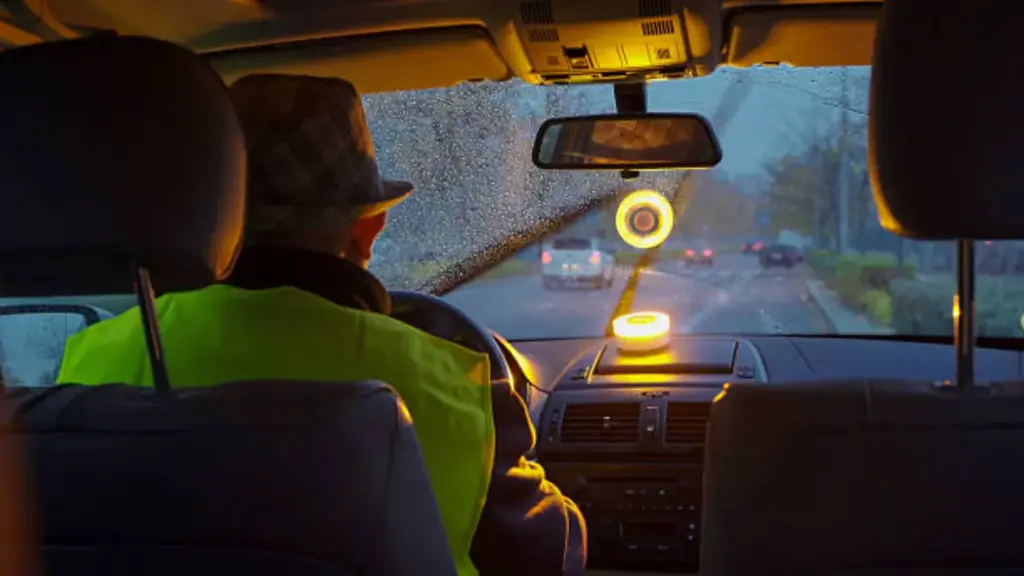
Ya, bilah yang sudah aus dapat menggores kaca depan setelah karetnya rusak dan rangkanya bersentuhan dengan kaca. Goresan berbentuk busur ini seringkali bersifat permanen dan mungkin memerlukan penggantian kaca depan yang mahal.
- Karet tua juga bisa memerangkap pasir, mengubah bilah pisau menjadi bahan abrasif yang “mengamplas” kaca seiring waktu.
- Mengganti bilah pisau setiap 6–12 bulan jauh lebih murah dibandingkan memperbaiki atau mengganti kaca depan.
Apakah buruk menjalankan wiper saya di kaca depan yang kering?
Ya, menjalankan wiper pada kaca depan yang kering berbahaya bagi kaca dan sistem wiper. Tanpa air atau cairan pencuci, gesekan meningkat tajam, karet menjadi aus dan membuat motor stres.
- Menyeka secara kering dapat menimbulkan goresan halus pada kaca dan menghilangkan lapisan pelindung pada mata pisau.
- Selalu gunakan cairan pencuci untuk melumasi kaca sebelum menggunakan wiper.
Jenis cairan pencuci kaca depan apa yang harus saya gunakan dengan bilah penghapus saya?
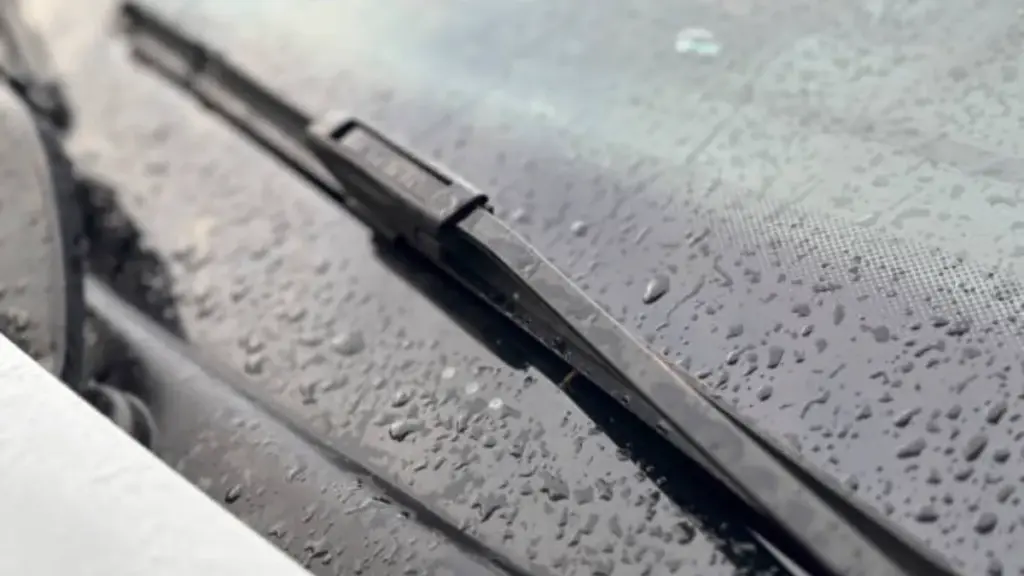
Gunakan kelas komersial, cairan pencuci nonabrasif yang ditentukan oleh pabrikan kendaraan Anda. Formula berkualitas tinggi memenuhi FMVSS 104 standar, memastikan laju aliran 50-100 inci kubik per menit. Hindari pembersih kaca rumah tangga yang mengandung amonia, karena dapat merusak karet wiper, dan pilih cairan khusus iklim dengan suhu setidaknya -20°F untuk kondisi musim dingin.
Dapatkah saya menggunakan pembersih kaca rumah tangga di reservoir pencuci kaca depan saya?
TIDAK, pembersih kaca rumah tangga tidak cocok untuk reservoir mesin cuci. Mereka bisa membeku, busa, meninggalkan residu, dan dapat menyumbat nosel atau merusak pompa dan segel.
Komposisi Kimia: Cairan Berbasis Metanol vs. Surfaktan Rumah Tangga
Cairan pencuci otomotif merupakan rekayasa sistem metanol-air yang biasanya terdiri dari 30–38% metanol dan 5% propilen glikol untuk mencapai titik beku di bawah −30°F (−34°C). Metanol konsentrasi tinggi ini penting untuk menjaga likuiditas pada suhu di bawah nol derajat, mencegah pecahnya reservoir dan jalur suplai akibat perluasan es.
Pembersih rumah tangga tidak memiliki konsentrasi metanol yang diperlukan untuk stabilitas di bawah nol dan sering kali mengandung pewangi, pewarna, dan sabun yang dioptimalkan untuk penyekaan manual dibandingkan penyemprotan otomotif. Saat digunakan di dalam kendaraan, surfaktan rumah tangga ini dapat menghasilkan busa yang berlebihan atau meninggalkan lapisan lilin yang menempel di kaca depan, secara signifikan mengurangi visibilitas selama pengoperasian.
Konsentrat mesin cuci kelas profesional mempertahankan tingkat pH teknis antara keduanya 9.0 Dan 10.0 dan beratnya kira-kira 8.65 lb/gal untuk kelarutan optimal. Parameter kimia spesifik ini memastikan cairan dapat secara efektif melarutkan kotoran jalan dan sisa-sisa serangga, namun tetap netral secara kimia terhadap lapisan bening otomotif dan plastik..
Cairan otomotif pada umumnya memiliki titik nyala cangkir tertutup antara 88°F dan 102°F, yang merupakan standar keselamatan yang dirancang khusus untuk lingkungan bersuhu tinggi di ruang mesin. Pembersih rumah tangga generik tidak diformulasikan dengan mempertimbangkan batasan mudah terbakar ini, berpotensi menimbulkan risiko jika bersentuhan dengan komponen mesin yang sangat panas.
Risiko Operasional: Nozel Tersumbat dan Kerusakan Pompa
Sistem mesin cuci modern mengandalkan pompa sentrifugal dan selang berdiameter sempit yang mudah tersumbat oleh residu atau pertumbuhan biologis yang disebabkan oleh pembersih rumah tangga.. Pasalnya produk rumah tangga tidak dirancang untuk disimpan dalam waktu lama di tempat gelap, reservoir hangat, mereka dapat mendorong perkembangan bakteri atau ganggang yang pada akhirnya menghambat sistem.
Cairan yang tidak tepat dapat menyebabkan pembentukan lapisan film pada layar reservoir atau penyumbatan total pada nozel semprotan high-shear.. Lubang sempit ini tersumbat oleh endapan mineral atau surfaktan kental yang ditemukan dalam pembersih kaca, pompa mungkin mengalami tekanan balik yang menyebabkan motor terbakar atau kegagalan segel internal.
Pembersih kaca rumah tangga sering kali tidak memiliki konduktivitas listrik yang diperlukan untuk sensor cairan tingkat rendah yang ditemukan di reservoir kendaraan modern. Sensor ini sering menggunakan probe konduktivitas untuk mendeteksi keberadaan cairan; jika pembersih tidak memenuhi profil kelistrikan yang diharapkan, kendaraan mungkin menunjukkan gejala yang persisten “cairan rendah” peringatan bahkan ketika tangki sudah penuh.
Konsentrat komersial menentukan rasio pengenceran yang ketat, seperti 1:2 produk-ke-air, untuk bertemu VOC (Senyawa Organik yang Mudah Menguap) membatasi dan memastikan kinerja tanpa merusak segel karet atau komponen pompa. Menggunakan pembersih yang tidak sesuai spesifikasi dapat menyebabkan grommet dan selang karet pada sistem mesin cuci membengkak atau rusak sebelum waktunya., memerlukan perbaikan mekanis yang mahal.
Bagaimana cara membersihkan bilah penghapus dan kaca depan agar dapat bertahan lebih lama?
Bersihkan bilah penghapus Anda secara teratur dengan kain lembut dan cairan pencuci atau alkohol encer untuk menghilangkan kotoran dan lapisan tipis jalan. Untuk kaca depan, gunakan pembersih kaca otomotif non-abrasif dan kain mikrofiber bersih.
- Usap sepanjang tepi karet dengan lembut hingga tidak ada lagi kotoran yang menempel pada kain.
- Pembersihan rutin dapat meningkatkan kinerja penyekaan dan memperpanjang umur pisau melebihi biasanya 6 bulan.
Apakah bilah penghapus yang lebih mahal benar-benar bertahan lebih lama atau bekerja lebih baik?
Bilah penghapus yang lebih mahal sering kali menggunakan kompon karet yang lebih baik, pelapis, dan desain pegas yang dapat memberikan penyekaan lebih halus dan masa pakai lebih lama dibandingkan pisau ekonomi dasar. Namun, bahkan bilah premium pun masih perlu penggantian rutin, terutama di iklim yang keras atau jika kaca dan bilahnya tidak dijaga kebersihannya.
Jika Anda membandingkan teknologi karet dan pelapisan yang berbeda, kita panduan untuk grafit vs. Teflon vs.. lapisan bilah penghapus silikon menjelaskan kinerja masing-masingnya.
Solusi Wiper Berkinerja Tinggi untuk Pasar Global
Apakah cuaca panas atau dingin ekstrem akan mempengaruhi berapa lama bilah penghapus saya bertahan?

Ya, panas dan dingin yang ekstrim memperpendek umur bilah penghapus dengan menyerang tepi karet dengan cara yang berbeda. Suhu tinggi dan sinar UV mengeraskan dan memecahkan karet, sedangkan dinginnya musim dingin membuatnya kaku dan menyebabkan es menumpuk, jadi bilah dalam kondisi ini mungkin perlu diganti hampir setiap saat 6 bulan.
Haruskah saya mengangkat lengan penghapus dari kaca di musim dingin agar tidak membeku?
Mengangkat lengan dapat mengurangi pembekuan pada kaca, namun membiarkannya terangkat dalam waktu lama dapat melemahkan pegas lengan dan berisiko membuat lengan terbentur kembali ke kaca depan. Pendekatan yang lebih aman adalah membersihkan es dengan produk de‑icer yang tepat dan menghindari menjalankan wiper sampai kaca dan bilahnya bebas dari es
Bisakah saya mengganti isi ulang karetnya saja, atau apakah saya perlu mengganti seluruh bilahnya?
Mengganti hanya isi ulang bilah wiper karet dimungkinkan pada beberapa desain, namun pemasangannya lebih rumit dan sering kali lebih cepat aus jika rangkanya sudah tua atau rusak. Untuk sebagian besar pengemudi dan bengkel, mengganti rakitan bilah lengkap memberikan tekanan yang lebih konsisten, pemasangan yang lebih mudah, dan kinerja jangka panjang yang lebih baik.
Apakah toko atau bengkel onderdil mobil memasang wiper blade secara gratis?
Banyak pengecer suku cadang mobil menawarkanpemasangan wiper blade gratis saat Anda membeli bilahnya dari mereka, meskipun hal ini dapat bergantung pada jenis kendaraan, ketersediaan staf, dan kebijakan lokal. Lokakarya mungkin menggabungkan instalasi ke dalam paket layanan yang lebih luas atau membebankan biaya tenaga kerja yang kecil, terutama bila akses ke lengan penghapus lebih rumit.
Bagaimana cara mengetahui apakah merek atau model wiper blade cocok untuk kondisi berkendara saya?
Pilih pisau berdasarkan iklim lokal Anda, kecepatan mengemudi khas Anda, dan seberapa sering Anda menggantinya, bukan hanya harga saja. Untuk hujan lebat atau salju, bilah balok atau bilah hibrida yang dirancang untuk penggunaan segala cuaca biasanya memiliki kinerja lebih baik, sedangkan di daerah beriklim sedang, pisau konvensional atau hibrida yang berkualitas dapat menyeimbangkan biaya dan daya tahan.
Untuk perbandingan OEM yang lebih dalam, Oe, dan opsi purnajual, lihat panduan kami di apa perbedaan antara OE, OEM dan suku cadang purnajual.
Pikiran Terakhir
Bilah wiper kaca depan merupakan komponen keselamatan yang penting karena secara langsung mempengaruhi seberapa jelas pengemudi dapat melihat saat hujan, salju, dan semprot. Memilih bilah pisau yang dirancang dengan baik dan menggantinya tepat waktu akan meningkatkan visibilitas bagi pengemudi dan mengurangi masalah purna jual bagi pengecer dan bengkel.
Sebagai produsen bilah penghapus khusus, ALAT PEMOTONG berfokus pada teknologi wiper dan menawarkan perlengkapan gaya OE dan cakupan kinerja untuk sebagian besar kendaraan penumpang global. Apakah Anda seorang pengemudi yang memilih set wiper berikutnya, pengecer yang membangun rangkaian lengkap, atau penyedia layanan yang mencari mitra pemasok yang stabil, kamu bisa kunjungi situs web CLWIPER untuk menemukan produk dan dukungan teknis yang sesuai untuk pasar Anda. Distributor dan toko servis dapat mempelajari lebih lanjut tentang kemampuan produksi dan sertifikasi kami di halaman manufaktur.