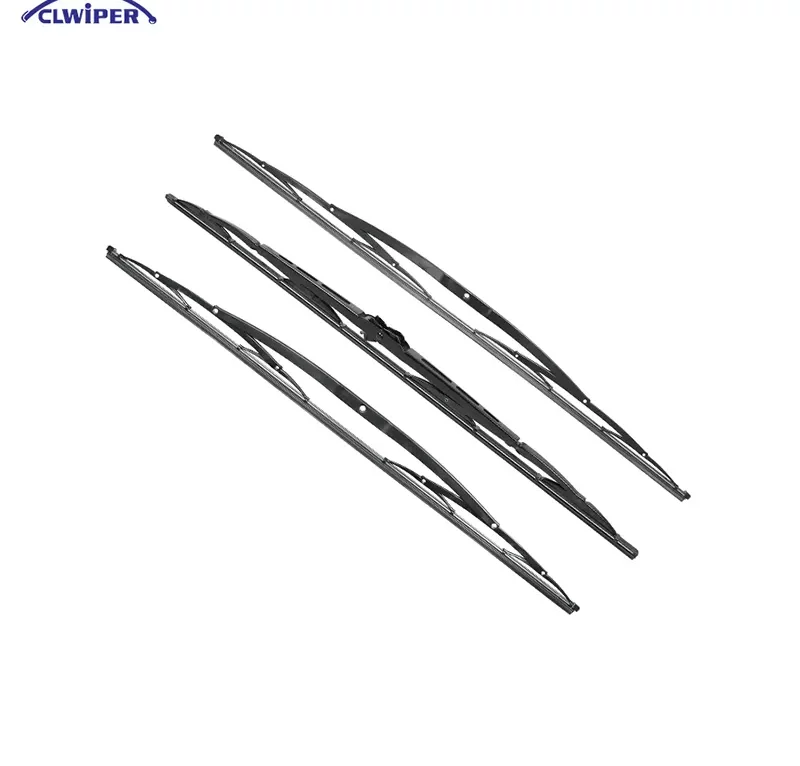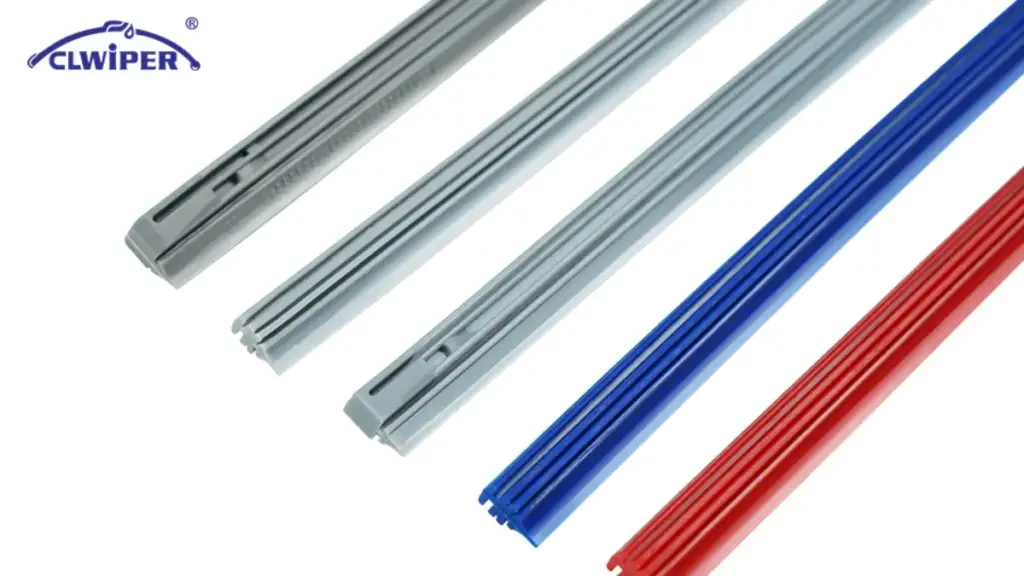
La demande de balais d'essuie-glace sur le marché secondaire est difficile à prévoir lorsque les distributeurs s'appuient uniquement sur les données de ventes passées.. Changements climatiques saisonniers, véhicules vieillissants, et les différentes habitudes d'achat des clients peuvent rapidement créer des ruptures de stock ou des stocks excédentaires.. Comprendre les véritables moteurs de la demande de balais d'essuie-glace sur le marché secondaire aide les entreprises à prévoir les besoins du marché avec plus de précision et à préparer les bons produits au bon moment..
Cet article explique les facteurs clés affectant la demande de remplacement et fournit des informations pratiques aux distributeurs., grossistes, et les marques automobiles pour améliorer la planification des stocks, stratégies de produits, et la croissance du marché à long terme.
Pourquoi les balais d'essuie-glace du marché secondaire représentent une opportunité commerciale croissante
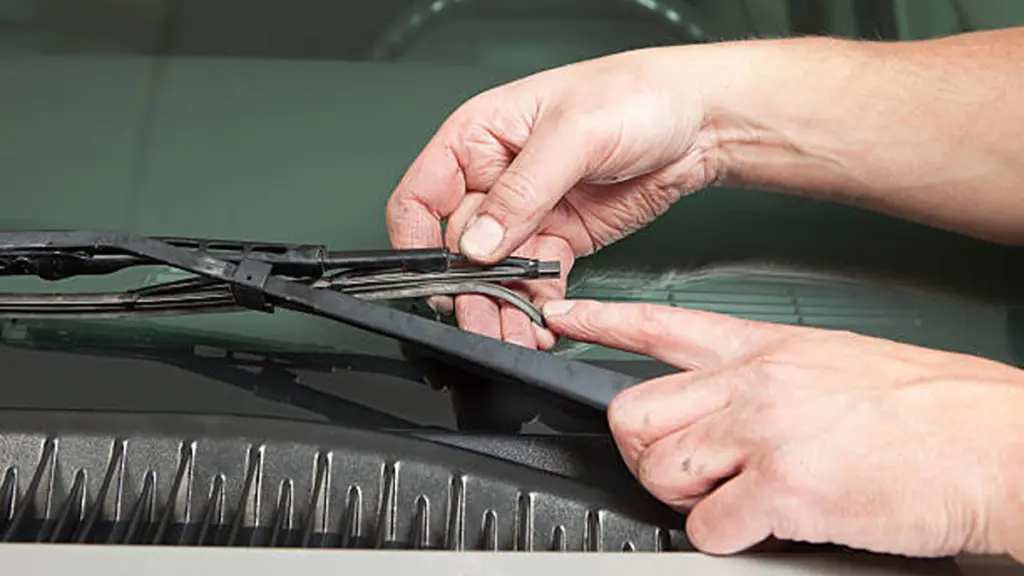
Pour les distributeurs et les marques automobiles, identifier les marchés avec une demande de remplacement stable est essentiel pour la croissance à long terme. Le marché secondaire offre des opportunités commerciales récurrentes et moins affectées par les fluctuations de la production de véhicules neufs..
Le marché secondaire offre une opportunité commerciale plus stable que le marché OEM, car la demande provient des véhicules déjà en circulation plutôt que de la production de véhicules neufs.. À mesure que les balais d'essuie-glace installés en usine s'usent, la demande de remplacement se déplace vers les ateliers de réparation, détaillants, plateformes en ligne, et distributeurs de pièces de rechange.
Un parc automobile mondial en croissance et une possession de véhicules plus longue continuent de développer ce marché de remplacement., offrir aux fournisseurs une clientèle plus large et des opportunités commerciales plus cohérentes.
| Facteur de marché | Opportunité d'affaires |
|---|---|
| Un parc automobile en croissance | Élargit le marché potentiel du remplacement. |
| Propriété du véhicule plus longue | Crée plus d’opportunités de maintenance. |
| Canaux de distribution flexibles | Permet aux marques d'atteindre les clients via plusieurs canaux de vente. |
| Mises à niveau du produit | Crée des opportunités pour des produits haut de gamme et différenciés. |
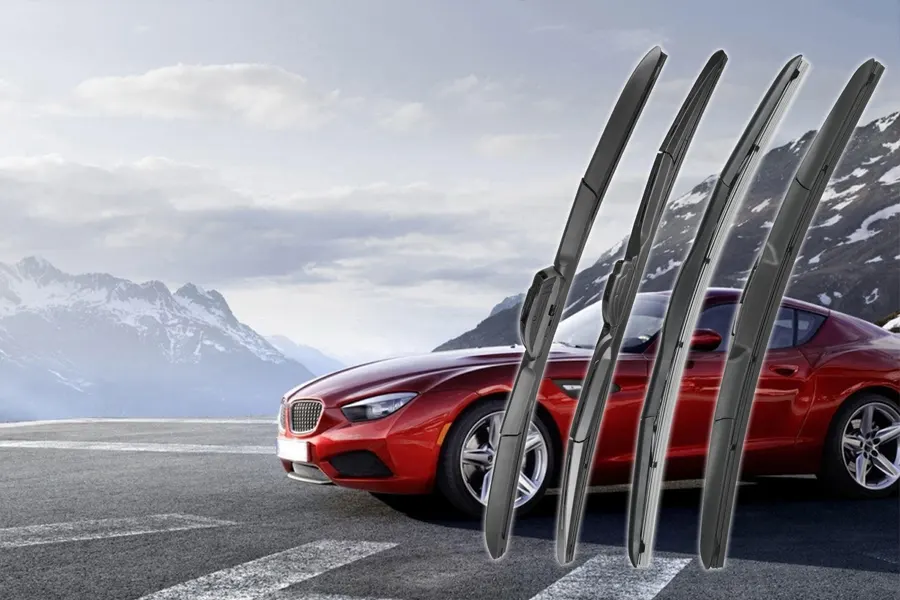
Au-delà de l’expansion des canaux de vente, le marché secondaire donne également aux fournisseurs plus de flexibilité pour développer des produits différenciés. Pares d'essuie-glace de faisceau , balais d'essuie-glace hybrides, et balais d'essuie-glace aider les entreprises à desservir différents marchés tout en créant des portefeuilles de produits à plus forte valeur ajoutée.
Pour une explication plus approfondie de Authentique, Les lames d'essuie-glace OEM vs de rechange, nous l'avons couvert dans un article séparé.
Les principaux facteurs qui déterminent la demande de balais d’essuie-glace sur le marché secondaire
La demande de remplacement ne se produit pas par hasard. Âge du véhicule, climat, et l'utilisation des véhicules commerciaux déterminent ensemble quand les clients ont besoin de nouveaux balais d'essuie-glace..
L’âge et les cycles de remplacement des véhicules établissent la demande du marché
Âge du véhicule crée la base de demande de remplacement parce que chaque balai d'essuie-glace perd progressivement ses performances avec le temps. Utilisation quotidienne, Exposition aux UV, changements de température, et les débris de la route accélèrent tous l'usure du caoutchouc, faire du remplacement une partie normale de l’entretien du véhicule.
Bien que les fabricants recommandent généralement remplacement des balais d'essuie-glace tous les six à douze mois, les cycles de remplacement réels varient. De nombreux conducteurs retardent le remplacement jusqu'à ce qu'ils remarquent des stries, bruit, ou mauvaise visibilité, tandis que d'autres remplacent les lames lors de l'entretien de routine du véhicule.. Cet écart entre le remplacement recommandé et le remplacement réel crée des opportunités continues pour les fournisseurs du marché secondaire..
Comme la moyenne âge du véhicule continue d'augmenter dans de nombreux pays, la demande de remplacement devient également plus stable. Les véhicules plus anciens nécessitent un entretien régulier tout au long de leur durée de vie, permettre aux distributeurs de générer des ventes récurrentes au lieu de compter sur des achats ponctuels.
Les conditions météorologiques créent des opportunités de remplacement régionales
Le climat affecte directement à la fois la durée de vie des balais d'essuie-glace et le comportement d'achat des clients.. Compréhension conditions météorologiques locales aide les distributeurs à préparer les bons produits pour chaque marché.
| Conditions climatiques | Défi principal | Solution produit adaptée |
|---|---|---|
| Fortes précipitations | Essuyage fréquent et usure plus rapide du caoutchouc | Lames durables toutes saisons |
| Neige et températures glaciales | Accumulation de glace et dommages à la lame | Balais d'essuie-glace |
| Régions chaudes et ensoleillées | Vieillissement UV et fissuration du caoutchouc | Lames en caoutchouc ou en silicone de qualité supérieure |
| Environnements poussiéreux | Usure abrasive due aux particules de la route | Conceptions de lames robustes |
Les flottes commerciales créent une demande de remplacement B2B stable
Les flottes commerciales génèrent une demande de remplacement plus prévisible car entretien suit les intervalles d'entretien programmés plutôt que les préférences du conducteur. Fourgons de livraison, les bus, camions, et les véhicules de service fonctionnent pendant des heures plus longues, augmentation de l'usure des lames et création de besoins d'achat récurrents.
Les acheteurs de flotte évaluent généralement les fournisseurs en fonction de la valeur opérationnelle à long terme plutôt que des prix des produits individuels..
- Performances fiables: Réduit la fréquence de maintenance et aide les véhicules à rester en service.
- Approvisionnement stable: Garantit que les lames de remplacement restent disponibles pour l'entretien de routine.
- Ajustement précis: Simplifie l'installation sur différents modèles de véhicules.
- Assistance aux achats en gros: Améliore l’efficacité des achats et la gestion des stocks.
Fabricants qui fournissent des balais d’essuie-glace commerciaux durables, capacité de production constante, et une large couverture de véhicules sont mieux placés pour établir des partenariats à long terme avec les exploitants de flottes et les distributeurs professionnels.
Faites évoluer votre entreprise avec des balais d'essuie-glace haut de gamme
Comment le comportement d’achat et les tendances saisonnières façonnent la demande du marché
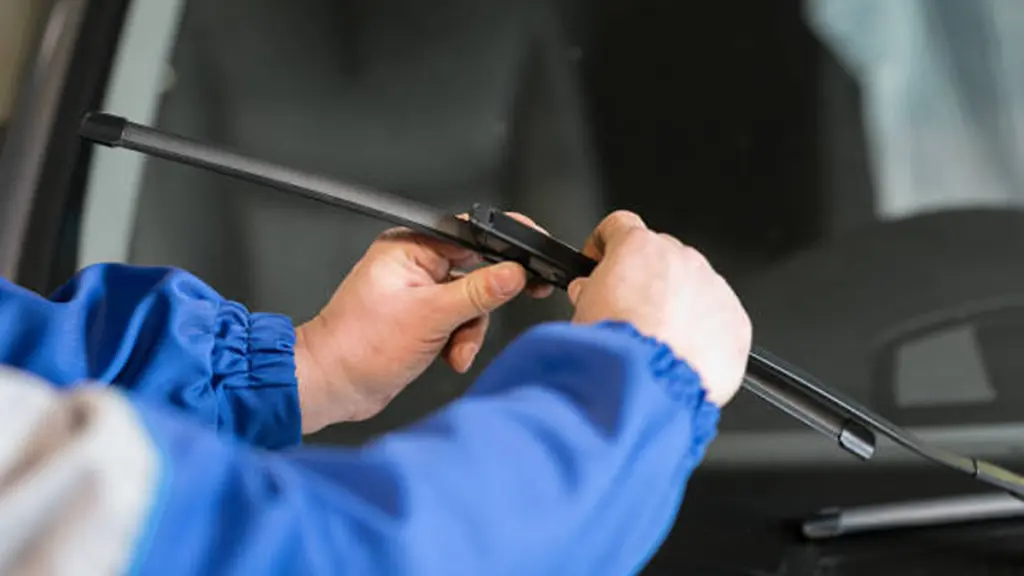
Même lorsque la demande de remplacement existe, les clients n'achètent pas immédiatement. Les décisions d'achat sont influencées par l'usure visible de la lame, météo saisonnière, et la façon dont les acheteurs recherchent des produits avant de passer une commande.
Les conducteurs remplacent généralement les essuie-glaces uniquement après une baisse des performances
La plupart des conducteurs ne remplacent pas les balais d'essuie-glace simplement parce qu'ils ont atteint l'intervalle d'entretien recommandé.. Plutôt, ils attendent que de mauvaises performances d'essuyage commencent à affecter la conduite quotidienne. Ce délai signifie que la demande de remplacement augmente souvent progressivement avant de se transformer en ventes réelles..
Plusieurs signes visibles incitent généralement les clients à acheter de nouveaux balais d'essuie-glace:
- Strike: De l'eau reste sur le pare-brise après chaque passage.
- Bruit: Un grincement ou un claquement indique que le bord en caoutchouc est usé.
- Essuyage inégal: Certaines parties du pare-brise restent floues en cas de pluie.
- Dommages au caoutchouc: Fissure, larmes, ou du caoutchouc durci réduisent les performances de nettoyage.
- Mauvaise visibilité: Les conducteurs remplacent les lames lorsqu'une vision claire devient plus difficile.
Pour les distributeurs et les détaillants, ces habitudes d'achat créent des opportunités pour promouvoir le remplacement préventif. Rappels de service, inspections en magasin, et des outils précis d'installation sur véhicule peuvent encourager les clients à remplacer les lames avant que les performances ne deviennent un problème de sécurité..
Les changements saisonniers accélèrent les décisions d'achat
Les conditions météorologiques saisonnières transforment souvent une demande retardée en achats immédiats. Les conducteurs remplacent généralement les balais d'essuie-glace avant les périodes de fortes pluies ou de conduite hivernale., quand la visibilité devient plus importante.
La demande augmente généralement avant l’automne et l’hiver dans les régions les plus froides, tandis que les marchés tropicaux connaissent souvent des ventes plus fortes avant la saison des pluies. En préparant les stocks et les promotions en amont de ces périodes, les distributeurs peuvent améliorer la disponibilité des produits et capter une demande plus saisonnière.
La recherche en ligne raccourcit le parcours d'achat
La recherche en ligne est devenue un élément clé du processus d'achat, tant pour les consommateurs que pour les acheteurs B2B.. Les clients comparent les performances des produits, compatibilité, et examine avant de prendre une décision, tandis que les distributeurs évaluent également la capacité de fabrication d’un fournisseur, attestations, et services OEM.
Fabricants qui fournissent des informations de montage précises, contenu détaillé du produit, et des profils d'entreprise transparents peuvent instaurer la confiance plus tôt et aider les acheteurs à prendre des décisions d'achat plus efficacement..
Vous pouvez en apprendre davantage sur Commerce en ligne de balais d'essuie-glace dans notre article dédié.
Comment les distributeurs peuvent transformer les facteurs de demande en une meilleure planification des stocks
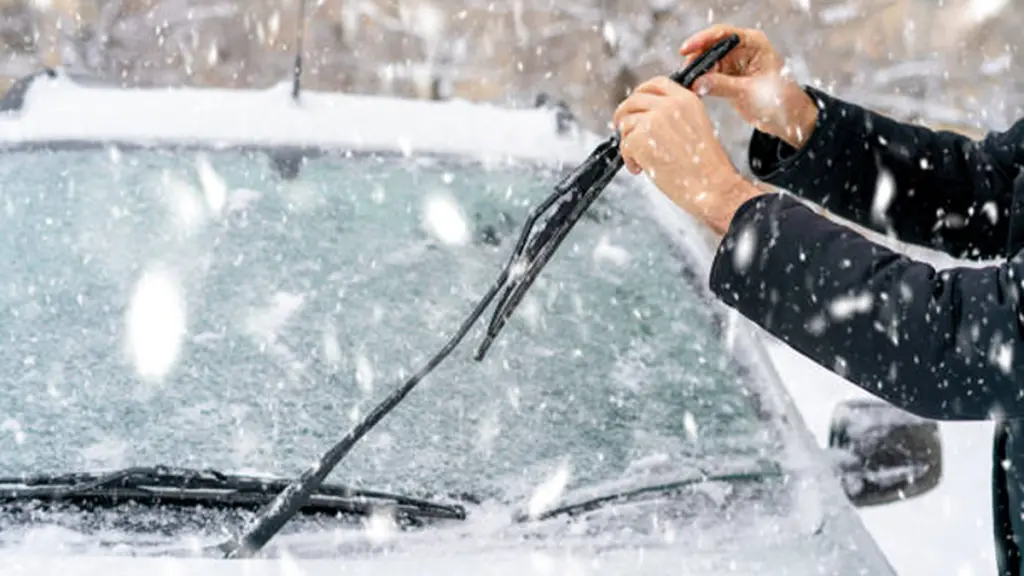
La demande du marché ne devient rentable que lorsque les stocks correspondent aux besoins des clients. En combinant la demande régionale, planification saisonnière, et un mix de produits équilibré, les distributeurs peuvent améliorer l'efficacité des stocks et réagir plus rapidement aux changements du marché.
Adaptez la sélection de produits à la demande régionale en matière de véhicules et de climat
Une stratégie d'inventaire réussie commence par comprendre le marché local au lieu de stocker tous les modèles disponibles. Les distributeurs doivent d'abord analyser parc automobile local pour identifier le plus tailles de lame et types de connecteurs courants. Ils devraient également considérer conditions climatiques, puisque la météo affecte directement la demande de remplacement et la sélection des produits. Enfin, comprendre les préférences des clients permet de déterminer le bon équilibre entre les produits de valeur et les options premium. Par exemple, les régions froides nécessitent souvent plus de balais d'essuie-glace, tandis que les marchés avec des véhicules de tourisme plus récents génèrent généralement une demande plus forte pour les poutres et les pales hybrides..
Préparer l'inventaire saisonnier avant les pics de demande
La demande saisonnière peut généralement être anticipée, donner aux distributeurs le temps de préparer l'inventaire avant que les clients ne commencent à passer des commandes. Planifier à l'avance réduit le risque de rupture de stock pendant les périodes de pointe des ventes et permet aux entreprises de réagir plus rapidement lorsque la demande augmente..
Plutôt que d'attendre que les conditions météorologiques changent, les distributeurs devraient revoir historical sales data, local climate patterns, et supplier lead times. Coordinating promotions with seasonal demand also helps improve inventory movement while supporting stronger sales during peak replacement periods.
Build a Balanced Portfolio from Standard to Premium Products
A balanced product portfolio allows distributors to serve different customer segments without carrying unnecessary inventory. Offering products across multiple price and performance levels also creates opportunities to increase average order value.
| Type de produit | Primary Market Role |
|---|---|
| Lames conventionnelles | Cost-effective solutions for older vehicles and price-sensitive markets |
| Lames de poutre | Premium choice for modern passenger vehicles |
| Lames hybrides | Balanced performance across different driving conditions |
| Snow blades | Specialized products for winter and freezing environments |
| Wiper refills | Option de remplacement économique pour les clients soucieux des coûts |
Le maintien d'un portefeuille équilibré permet aux distributeurs de servir un plus large éventail de clients tout en s'adaptant plus facilement à l'évolution de la demande du marché..
Pour mieux comprendre le système complet, voir notre répartition de Plan de mixité de produits pour balais d'essuie-glace.
Comment un fabricant vous aide à saisir les opportunités du marché secondaire en matière d'essuie-glaces
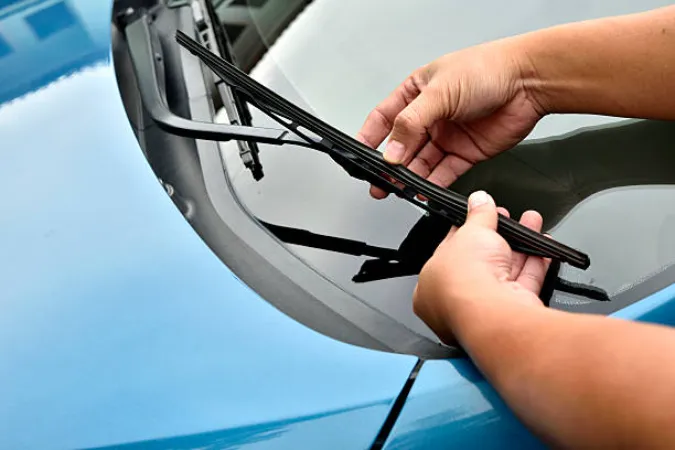
Le bon partenaire de fabrication fait plus que produire des balais d’essuie-glace. Support technique solide, production fiable, et une coopération flexible aident les distributeurs à répondre plus rapidement à l'évolution de la demande du marché secondaire.
Prise en charge flexible des OEM et ODM pour différents besoins du marché
Différents marchés nécessitent souvent des stratégies de produits différentes. Certains distributeurs se concentrent sur les marques privées, tandis que d'autres ont besoin d'une couverture de véhicule plus large ou de produits conçus pour des conditions climatiques spécifiques.. Un fabricant avec OEM et ODM capabilities can adapt products to these requirements without forcing buyers to build their own production resources.
Instead of offering only standard products, experienced manufacturers support customers throughout product development, helping them launch solutions that better match local market demand.
- Private Label Services: Build your own brand with customized logos and packaging.
- Product Customization: Adjust specifications, connecteurs, and product designs for different markets.
- Développement d'échantillons: Test new products before placing large production orders.
- OEM & ODM Projects: Develop products that match your business model and market positioning.
Stable Production Capacity Supports Long-Term Supply Planning
Reliable supply becomes especially important before seasonal demand peaks. If production cannot keep pace with market demand, les distributeurs peuvent être confrontés à des ruptures de stock et à des opportunités de vente perdues.
Un fabricant doté d'une capacité de production stable aide ses clients à maintenir des stocks constants tout au long de l'année tout en répondant plus rapidement aux changements inattendus de la demande.. À Clwiper, un 10,000㎡ usine de fabrication, capacité de production annuelle de 12 millions de balais d'essuie-glace, et Certifié ISO 9001 le système de gestion de la qualité prend en charge la planification des approvisionnements à long terme pour les clients sur différents marchés internationaux.
Un partenaire de fabrication aide à réduire les risques liés à la chaîne d'approvisionnement
La demande de balais d’essuie-glace du marché secondaire évolue en fonction des conditions météorologiques, marchés régionaux, et le comportement d'achat des clients. La gestion de ces changements nécessite une capacité de production plus que suffisante. Les fabricants ont également besoin de modèles de coopération flexibles qui aident les distributeurs à réduire la pression sur les stocks tout en maintenant la disponibilité des produits..
Un partenaire de fabrication expérimenté soutient la croissance de l'entreprise en proposant des modalités de commande flexibles, qualité constante des produits, et des délais de livraison fiables. Cela permet aux distributeurs de répondre avec plus de confiance à la demande saisonnière tout en réduisant les risques liés à la chaîne d'approvisionnement sur le long terme..
Si vous évaluez des fournisseurs, vous pouvez également retrouver notre article sur Haut 10 Producteurs de balais d'essuie-glace en Chine utile.
Foire aux questions
Pourquoi les balais d'essuie-glace du marché secondaire sont-ils considérés comme une catégorie solide pour les nouveaux vendeurs de commerce électronique ??
Les balais d'essuie-glace du marché secondaire combinent une demande récurrente massive avec une faible complexité du produit. Contrairement aux pièces automobiles hautement techniques, Les lames de rechange correspondent à la qualité OEM sans les majorations du concessionnaire., permettant aux vendeurs de rivaliser facilement sur la valeur. La catégorie est incroyablement conviviale en termes de logistique, car la nature légère et les systèmes simples à plusieurs adaptateurs permettent de maintenir les coûts d'inventaire et d'expédition à un niveau hautement gérable..
À quelle fréquence les conducteurs doivent-ils remplacer leurs balais d'essuie-glace?
Les directives de l'industrie conseillent de remplacer les balais d'essuie-glace tous les 6 à 12 mois. Les conditions réelles raccourcissent généralement cette fenêtre. Forte neige, grattage constant de la glace, et une exposition intense aux UV décomposent rapidement les composés de caoutchouc, rapprochant la durée de vie pratique de 6 à 9 mois pour les conducteurs quotidiens.
L’âge croissant des véhicules sur la route affecte-t-il la demande de balais d’essuie-glace?
Oui. À mesure que le parc automobile vieillit, les composants extérieurs se dégradent plus rapidement. Les voitures plus anciennes souffrent d'une détérioration de la tension des bras d'essuie-glace et d'une exposition prolongée à des facteurs de stress environnementaux., nécessitant des remplacements de lame plus fréquents. Les propriétaires de ces véhicules vieillissants se tournent systématiquement vers des marques de rechange plutôt que de payer des prix élevés chez les concessionnaires..
Quel rôle jouent les flottes commerciales dans l’industrie des balais d’essuie-glace du marché secondaire ??
Les véhicules utilitaires génèrent une part disproportionnée des revenus du marché secondaire. Les flottes enregistrent un kilométrage annuel extrême et fonctionnent en permanence malgré des conditions météorologiques extrêmes.. Pour minimiser les interruptions de service, les opérateurs commerciaux s'appuient sur des lames à poutre robustes ou avancées et les remplacent fréquemment jusqu'à quatre fois par an.
Comment le commerce électronique a-t-il changé la façon dont les conducteurs achètent des essuie-glaces de remplacement?
Le commerce électronique a fait passer les achats d'essuie-glaces de réactifs, des achats d'urgence en magasin aux commandes de maintenance planifiées. Les outils avancés de montage en ligne éliminent les incertitudes liées au dimensionnement, et les vidéos d'installation numériques simplifient les remplacements DIY. Cette transparence encourage directement les acheteurs à ignorer les lames conventionnelles de base et à passer aux options de poutre ou de silicone haut de gamme..
Pensées finales
Compréhension demande de balais d'essuie-glace du marché secondaire aide les distributeurs et les marques automobiles à prendre de meilleures décisions concernant les stocks, positionnement du produit, et planification du marché à long terme. En suivant l'évolution de l'âge des véhicules, climat, comportement du client, et demande saisonnière, les entreprises peuvent préparer les bons produits avant que les opportunités de marché n'apparaissent.
Si vous recherchez un partenaire de fabrication fiable, TONDEUSE offres flexibles Services OEM et ODM, capacité de production stable, et une large gamme de solutions de balais d'essuie-glace pour les marchés mondiaux. Contactez notre équipe pour discuter de la façon dont nous pouvons soutenir votre activité de marché secondaire avec des produits adaptés à votre marché..