Bilah wiper kaca depan premium tidak ditentukan oleh merek saja. Mereka ditentukan oleh rekayasa material, desain struktural, kinerja daya tahan, dan bagaimana elemen-elemen ini menghasilkan margin yang stabil di berbagai pasar.
Saat mengevaluasi produk seperti Bosch Icon dan Rain-X Silicone, nilai sebenarnya terletak pada pemahaman arsitektur teknis di balik setiap desain. Untuk grosir, pembeli oem, importir, dan distributor label pribadi, rincian ini menentukan struktur biaya, harapan umur, dan kesesuaian regional.
Di bawah ini adalah rincian teknis dan interpretasi praktis untuk perencanaan produk.
Mengapa Bilah Penghapus Premium Penting untuk Perencanaan Produk
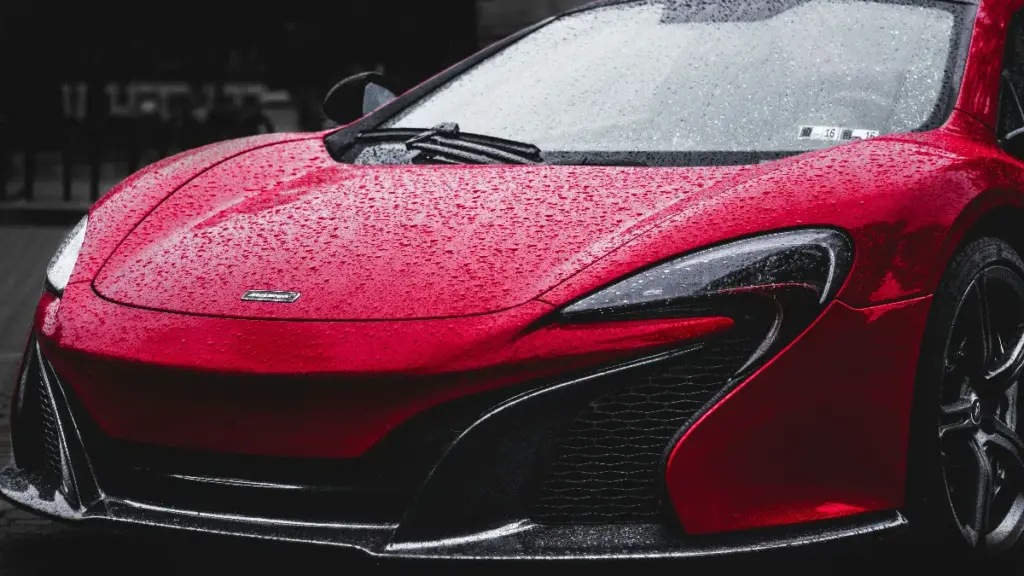
Di kawasan aftermarket otomotif maju seperti Amerika Serikat, Australia, dan Korea, bilah penghapus premium diharapkan memberikan kualitas pembersihan yang konsisten pada suhu ekstrem, kecepatan jalan raya, dan paparan sinar UV yang berkepanjangan.
Sebaliknya, pasar seperti India, Iran, dan sebagian wilayah Timur Tengah memerlukan struktur biaya yang terkendali dengan tetap menjaga daya tahan yang dapat diterima. Pembeli di Asia Tenggara sering kali memprioritaskan MOQ yang lebih kecil dengan kualitas stabil dan ketersediaan berulang.
Mempelajari produk premium yang sudah mapan memungkinkan Anda untuk mengevaluasi:
- Pilihan struktural internal
- Strategi kompon karet
- Dampak desain aerodinamis
- Keseimbangan biaya versus daya tahan
- Kelayakan posisi garansi
Ikhtisar Singkat Ikon Bosch dan Garis Silikon Rain‑X
Baik Bosch Icon maupun Rain-X Silicone Endura adalah bilah penghapus bergaya balok premium, tetapi keduanya berbeda secara signifikan dalam hal manfaat material dan fungsional utama. Bosch Icon menggunakan kompon karet eksklusif yang menekankan pada penyekaan yang kuat dan daya tahan, sementara Rain-X Silicone Endura dilengkapi dengan alat pembersih yg terbuat dr karet silikon yang dirancang untuk umur panjang yang lebih panjang dan kemampuannya untuk mengaplikasikan hidrofobik, lapisan anti air pada kaca depan.
Di bawah ini adalah perbandingan terstruktur kedua lini produk dari sudut pandang spesifikasi dan teknik.
| Fitur | Ikon Bosch | Silikon Hujan-X |
|---|---|---|
| Tipe Struktur | Bilah balok dengan pegas tegangan internal ganda | Bilah balok dengan spoiler aerodinamis terintegrasi |
| Distribusi tekanan | Keseragaman tinggi pada kaca depan melengkung | Tekanan stabil, ditingkatkan pada kecepatan jalan raya |
| Bahan karet | Dilapisi alami + campuran sintetis | Senyawa silikon bermutu tinggi |
| Resistensi UV | Perlindungan karet berlapis | Ketahanan UV silikon yang melekat |
| Fleksibilitas Suhu | Performa kuat sepanjang musim | Fleksibilitas unggul dalam panas dan dingin ekstrem |
| Kontrol Kebisingan | Ketegangan pegas yang seimbang mengurangi obrolan | Elastisitas silikon mengurangi kebisingan gesekan |
| Efek Penolak Air | Tidak ada lapisan transfer aktif | Mentransfer lapisan anti air saat menyeka |
| Ketahanan Salju/Es | Desain balok mencegah pembekuan sambungan | Silikon tetap fleksibel pada suhu rendah |
| Penentuan Umur | Umur panjang | Masa pakai yang lebih lama melebihi karet standar |
| Tingkat Harga Eceran | Premi kelas menengah atas | Premi tinggi |
Perbedaan Desain Inti: Balok, Bingkai dan Spoiler
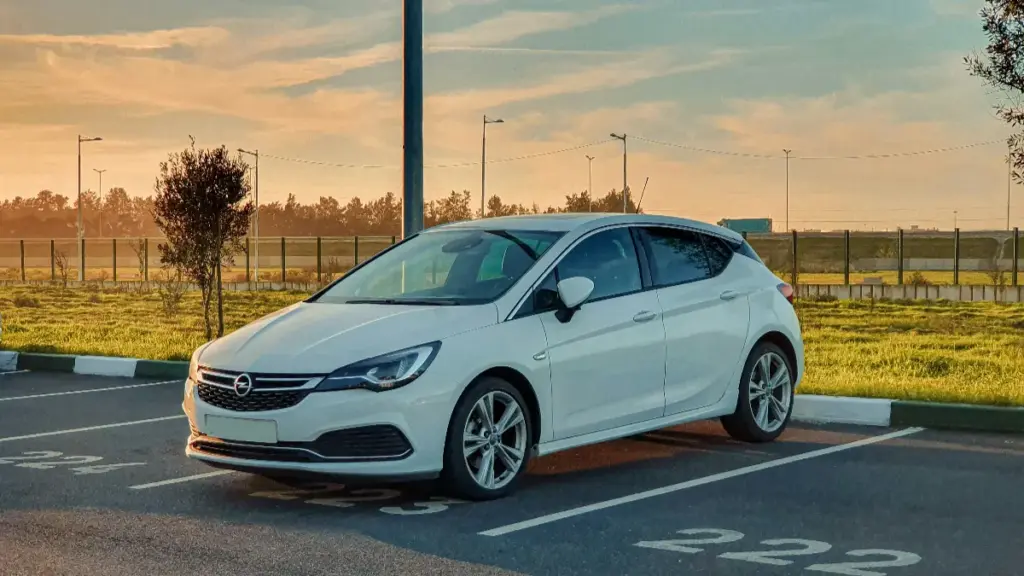
Bilah balok menggunakan tulang belakang tunggal yang fleksibel untuk memberikan tekanan yang merata, menahan angin berkecepatan tinggi. Bilah bingkai mengandalkan struktur logam multi-elemen, cenderung terangkat dengan kecepatan tinggi. Spoiler adalah tambahan aerodinamis untuk kedua tipe, dirancang untuk menjepit bilah ke bawah dan mempertahankan kontak, penting untuk kinerja dan kepatuhan kecepatan tinggi.
Mekanika Dasar Balok, Bingkai, dan Desain Spoiler
Bilah balok dicirikan oleh satu, tulang belakang logam atau komposit fleksibel yang memberikan tekanan seragam di seluruh panjang bilah, secara efektif menghilangkan rangka logam tradisional dan engsel terkaitnya. Desain ini, menggunakan balok tunggal, memastikan kontak yang konsisten dan distribusi tekanan di seluruh kelengkungan kaca depan.
Sebaliknya, Bilah bingkai, sering disebut dengan bilah konvensional atau braket, menampilkan bingkai logam multi-elemen dengan cakar atau titik yang diartikulasikan. Hubungan logam yang kaku ini, khas 4-6 cakar, mendistribusikan tekanan ke seluruh bilah. Meskipun fungsional, desain ini secara inheren rentan terhadap kontak dan keausan yang tidak merata karena banyak titik kontaknya dan potensi korosi atau kelenturan di bawah beban angin.
Bilah spoiler menggunakan tambahan karet atau plastik aerodinamis, yang dapat diintegrasikan ke dalam desain bilah atau dipasang sebagai komponen terpisah pada jenis balok atau rangka. Spoiler ini dirancang khusus untuk menyalurkan aliran udara ke atas bilahnya, menciptakan gaya tekan ke bawah untuk mengurangi gaya angkat angin dan secara signifikan meningkatkan kontak dengan kaca depan, khususnya pada kecepatan yang lebih tinggi.
Pertunjukan, Standar, dan Aerodinamika Kecepatan Tinggi
Bilah balok menunjukkan stabilitas aerodinamis yang unggul, menolak angin kencang hingga 160 km/jam (100 mph) sambil mempertahankan ≥98% kontak di Area kritis C, seperti yang ditentukan oleh angka SAE J903. Desain ini juga menawarkan kinerja yang lebih baik pada rentang suhu yang luas, beroperasi secara efektif dari -30 hingga 55°C dan menunjukkan pengoperasian bebas gangguan. Hal ini menjadikannya ideal untuk kaca depan melengkung modern dan kondisi berkendara kecepatan tinggi.
Sebaliknya, bilah rangka tradisional rentan terhadap angin kencang di atasnya 80-100 km/jam ketika tidak memiliki fitur aerodinamis. Hal ini menyebabkan penurunan kualitas penghapusan, distribusi tekanan yang tidak merata, dan gangguan visibilitas pada kecepatan jalan raya, karakteristik kinerja yang diukur berdasarkan mandat area terhapus FMVSS 104, seperti memastikan 95% Area A dengan kecepatan rendah di zona pengemudi.
Ciptakan Performa Penyekaan Unggul untuk Merek Anda
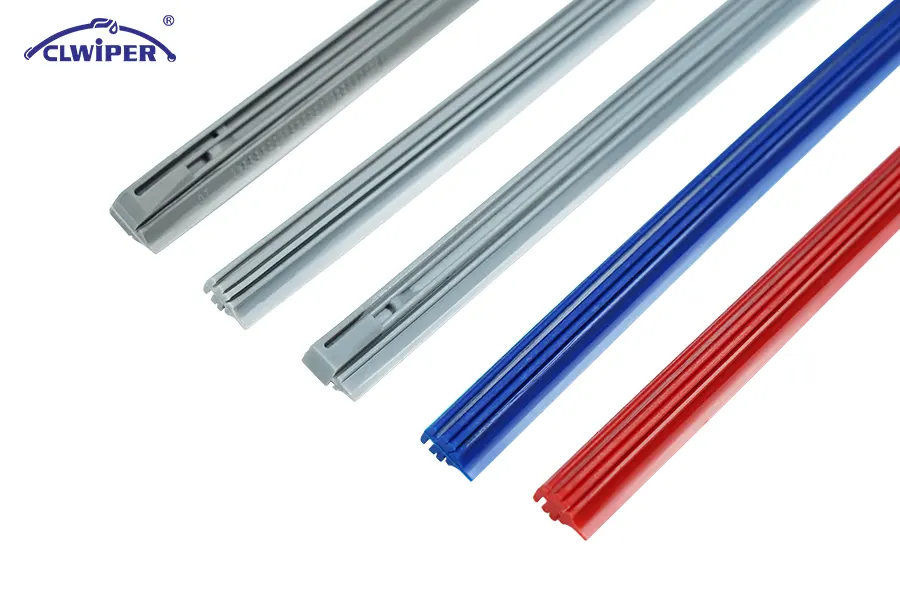
Pilihan Karet dan Lapisan di Setiap Produk
Bilah penghapus premium menggunakan kompon karet multipolimer canggih seperti ClearMax dari Bosch 365, yang memadukan karet alam dengan karet alam terepoksidasi dan karet polaritas tinggi lainnya untuk masa pakai yang lebih lama, atau elastomer silikon padat, disukai oleh Rain-X, untuk ketahanan unggul terhadap faktor lingkungan. Keduanya sering kali dilengkapi lapisan dengan gesekan rendah seperti grafit atau PTFE untuk meningkatkan kualitas lap dan umur panjang.
Kimia Inti Karet dan Manfaat Kinerjanya
Bosch ICON menggunakan ClearMax 365 karet kompon ganda, perpaduan canggih yang dirancang untuk kinerja unggul. Ini sering kali mencakup Karet Alam (tidak) untuk fleksibilitas, Karet Alam Epoksidasi (ENR) pada 15-25% epoksidasi untuk meningkatkan dispersi dan ketahanan pengisi, dan karet dengan polaritas lebih tinggi seperti Kloroprena (Kr), NBR/PVC, HNBR, EVM, atau EPDM-g-maleic anhydride untuk meningkatkan ketahanan ozon dan UV. Formulasi lanjutan ini, yang mungkin digabungkan, misalnya, 30% tidak, 30% ENR, Dan 40% CR berdasarkan berat elastomer, berkontribusi pada klaim Bosch hingga 40% masa pakai yang lebih lama dibandingkan dengan pisau premium lainnya melalui uji ketahanan pemecah ozon yang ketat.
Sebaliknya, Rain-X dan bilah silikon serupa menggunakan elastomer silikon padat. Bahan ini pada dasarnya sangat tahan terhadap ozon, radiasi UV, dan fluktuasi suhu yang ekstrem, menawarkan keunggulan daya tahan yang signifikan dibandingkan karet tradisional. Sifat silikon yang kuat memungkinkannya mempertahankan kinerja dalam kondisi lingkungan yang keras tanpa degradasi yang signifikan.
Konvensional wiper purnajual, bertujuan untuk efektivitas biaya, biasanya mengandalkan karet pembersih karet alami. Padahal sering kali diobati dengan paket dasar anti oksidan, formulasi ini tidak memiliki campuran polimer canggih dan ketahanan lingkungan yang melekat seperti yang ditemukan pada senyawa premium, mengakibatkan masa pakai lebih pendek dan penurunan kinerja dalam kondisi yang sulit.
Standar Pengujian Pelapisan dan Daya Tahan Tingkat Lanjut
Bilah penghapus premium sering kali dilengkapi perawatan permukaan dengan gesekan rendah untuk mengoptimalkan kualitas lap dan mengurangi kebisingan. Contoh umum mencakup tepi berlapis grafit atau lapisan PTFE tingkat lanjut. Perawatan ini meminimalkan gesekan antara bilah dan kaca depan, memastikan pengoperasian yang lebih lancar dan memperpanjang umur elemen karet.
Performa saat Hujan, Salju dan Paparan UV Jangka Panjang
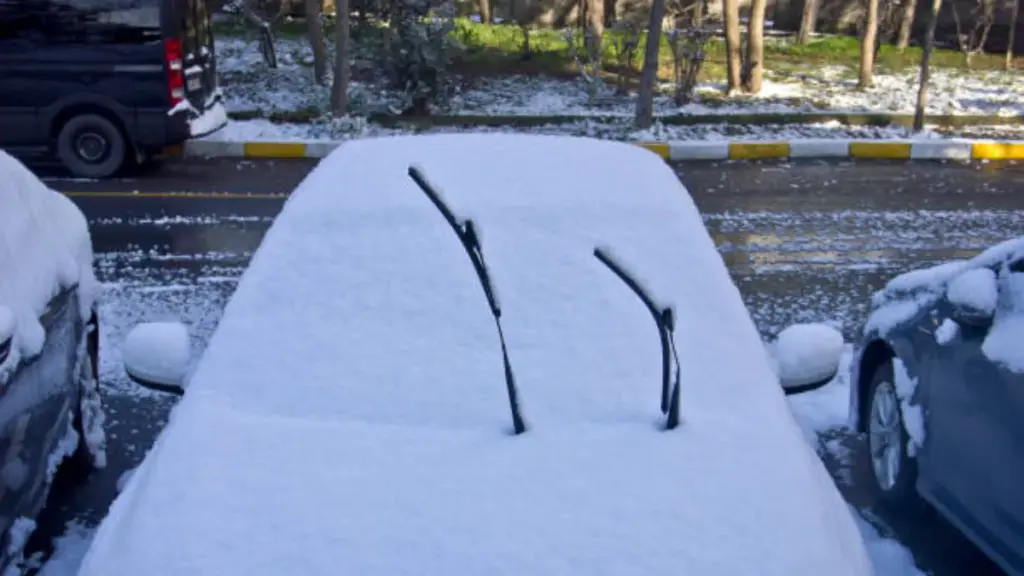
Bilah penghapus premium diuji berdasarkan standar industri yang ketat seperti SAE J903, ISO 9619, dan ISO 17899 untuk memastikan pembersihan yang andal saat hujan dan salju. Daya tahan jangka panjang terhadap UV, suhu, dan abrasi kaca diverifikasi melalui klausul kompatibilitas lingkungan dan pengujian khusus seperti BS ISO 5685.
Mendefinisikan Kinerja dalam Hujan, Salju, dan Lingkungan yang Keras
Kinerja wiper di bawah hujan dan salju tidak bersifat subjektif namun diformalkan melalui standar khusus untuk aplikasi otomotif dan tugas berat.
Bilah premium harus memenuhi tolok ukur kuantitatif untuk kinerja pembersihan, diuji dengan cairan terkontrol, kecepatan, dan jumlah penghapusan.
Di luar pembersihan dasar, daya tahan di lingkungan yang keras—termasuk penyemprotan terus menerus, aliran udara yang kuat, dan curah hujan campuran—sangat penting untuk pengoperasian yang andal.
Persyaratan kompatibilitas lingkungan secara implisit mencakup penyebab stres jangka panjang seperti radiasi UV, suhu ekstrim, dan siklus kelembapan untuk efektivitas yang berkelanjutan.
Standar Utama untuk Daya Tahan dan Ketahanan Abrasi
Performa hujan untuk mobil penumpang dievaluasi berdasarkan standar seperti `SAE J903` dan `ISO 9619:1992`, menentukan pengujian dengan cairan terkontrol hingga `30 siklus pembersihan` pada kecepatan kendaraan yang ditentukan.
Tolok ukur ketahanan tugas berat, seperti yang ada di `ISO 17899:2004`, memerlukan frekuensi penghapusan minimum (`50 pukulan ganda per menit`) dan kecepatan pisau (`68 m/mnt`) untuk kompatibilitas lingkungan yang komprehensif (UV, garam, perputaran suhu).
Keausan jangka panjang dan potensi interaksi kaca dinilai melalui `BS ISO 5685:2022` uji abrasi wiper kaca depan, yang mengevaluasi perkembangan goresan dan kabut pada kaca.
`ISO 9001:2015` sertifikasi memastikan manajemen kualitas di bidang manufaktur, termasuk pemilihan bahan dan formulasi (MISALNYA., karet, pelapis) dirancang untuk menahan `UV, ozon, dan penuaan suhu`.
Kebisingan, Hapus Kualitas dan Persepsi Pengemudi Seiring Waktu

Bilah penghapus premium seperti Bosch ICON memanfaatkan kompon karet dan desain balok yang canggih untuk secara signifikan mengurangi kebisingan dan goresan yang disebabkan oleh degradasi lingkungan. Keunggulan teknis ini menghasilkan masa pakai yang lebih lama dan kinerja yang konsisten, secara langsung meningkatkan kepuasan dan persepsi pengemudi dari waktu ke waktu.
Mengurangi Kebisingan dan Goresan Melalui Teknologi Karet Canggih
Hapus Maks 365 teknologi karet menggabungkan inti karet lunak dengan kulit luar polimer keras, memberikan ketahanan unggul terhadap retak ozon.
Karet canggih ini mencegah keretakan akibat ozon itulah penyebab utama obrolan wiper (kebisingan) dan melesat (kualitas lap yang buruk).
Teknologi melebihi standar pengujian ozon pabrikan OE, menunjukkan kinerja yang kuat terhadap degradasi lingkungan.
Karet Bosch terbukti paling tahan terhadap retak dibandingkan pesaing utama dalam simulasi uji paparan lingkungan jangka panjang.
Tekanan Seragam & Aerodinamika untuk Persepsi Pengemudi Jangka Panjang
Desain balok yang dipatenkan dilengkapi spoiler fleksibel asimetris dan teknologi busur pegas tegangan, memastikan gaya ke bawah yang seragam dan titik tekanan tak terbatas di sepanjang seluruh bilah.
Distribusi tekanan seragam, ditambah dengan spoiler aerodinamis, berkurang secara signifikan angkat angin, obrolan, dan histeresis, faktor penting dalam persepsi kualitas penghapusan dan kebisingan dalam berbagai kecepatan dan kondisi cuaca.
Desain balok tanpa braket secara aktif mencegah penumpukan salju/es dan menghilangkannya bingkai fleksibel, sumber kebisingan yang umum pada wiper tradisional.
Kombinasi arsitektur karet dan balok yang canggih berkontribusi terhadap hal ini hingga 40% umur yang lebih panjang dibandingkan pisau premium lainnya, mempertahankan kinerja yang konsisten dan meningkatkan persepsi pengemudi dari waktu ke waktu tanpa sering melakukan penggantian.
Apa yang Diberitahukan Ini kepada Anda Tentang Menentukan Produk Premium Anda Sendiri
Mengembangkan lini wiper premium memerlukan pendekatan berbasis data, menerjemahkan kinerja pesaing dan tolok ukur peraturan menjadi spesifikasi yang tepat. Ini termasuk mematuhi standar seperti FMVSS 104 untuk frekuensi, SAE J903 untuk cakupan, dan VW 80000 untuk daya tahan, memastikan produk Anda menyaingi pemimpin pasar.
Menerjemahkan Tolok Ukur Industri ke dalam Spesifikasi Merek Anda
Memanfaatkan standar peraturan yang ditetapkan (MISALNYA., FMVSS 104, SAE J903, VW 80000) sebagai garis dasar minimum untuk lini premium Anda.
Dapatkan target kinerja spesifik dari kekuatan dan fitur produk benchmark yang diamati seperti Bosch Icon dan Rain-X Silicone.
Fokus pada metrik yang dapat diukur dari penelitian (MISALNYA., menghapus siklus, persentase cakupan, ketahanan terhadap korosi) untuk membangun kerangka spesifikasi yang kuat.
Tekankan pentingnya kejelasan, persyaratan yang didukung data untuk memastikan kemampuan manufaktur dan kualitas yang konsisten.
Standar dan Metrik Teknis Utama untuk Komunikasi Pabrik
Saat mengembangkan lini wiper premium, Komunikasi yang jelas mengenai standar teknis dan metrik yang tepat kepada produsen sangatlah penting. Tabel di bawah menguraikan tolok ukur utama yang diperoleh dari peraturan industri terkemuka dan ekspektasi kinerja untuk memastikan produk Anda memenuhi kinerja dan daya tahan yang diinginkan.
| Standar/Metrik | Spesifikasi Utama | Detail/Tujuan |
|---|---|---|
| FMVSS 104 (Frekuensi Penghapus) | Minimal 45 siklus/menit (kecepatan tinggi), 20 siklus/menit (kecepatan rendah) | Pastikan a 15 perbedaan cpm antara kecepatan untuk pembersihan yang efektif. |
| SAE J903 (Hapus Cakupan) | Area A (80% menit), B (95%), C (98%) | Mandat liputan menggunakan sudut tertentu; mengoptimalkan panjang bilah untuk kaca depan tertentu. |
| VW 80000 (Korosi & Daya tahan) | 60-uji semprotan garam siklus (PV 1210) | Tidak lecet/korosi, kehilangan adhesi ≤2.5mm, penurunan kekuatan kontak ≤10% setelahnya 60 siklus. |
| ISO 9258/9259 (Geometri Bilah) | Spesifikasi yang tepat untuk panjang bilah, lengkungan | Pastikan sambungan lengan-ke-bilah yang optimal untuk gaya dan kinerja kontak yang konsisten. |
| Kinerja Umum | Tidak ada kerusakan setelahnya 60 siklus pengujian | Dapatkan penghapusan pola penuh dalam satu siklus untuk semua produk premium. |
Bagaimana Menggunakan Pembelajaran Ini dalam Pembicaraan dengan Pabrik Anda
Manfaatkan perbandingan mendetail dari wiper premium seperti Bosch ICON untuk menginformasikan pembicaraan pabrik, berfokus pada inovasi material seperti ClearMax 365™ untuk daya tahan dan elemen desain seperti DynamicFit™ untuk kinerja superior, saat mengatur spesifikasi teknis dan protokol pengujian tingkat OE.
| Fitur | Manfaat Utama | Detil/Target Teknis |
|---|---|---|
| Teknologi ClearMax 365™ | Peningkatan Ketahanan Ozon & Daya tahan | Inti karet lunak + cangkang berlapis bubuk; menolak ozon, salju, puing. |
| Kehidupan Kinerja | Hingga 40% Umur Lebih Panjang | Ketahanan ozon/retak ozon yang unggul dalam pengujian spesifikasi OE. |
| Pegas Ketegangan DynamicFit™ | Pembengkokan Balok Optimal & Tekanan yang Konsisten | Menyesuaikan dengan kurva kaca depan penuh; memastikan titik tekanan tak terbatas. |
| Spoiler Aerodinamis Asimetris | Gaya Ke Bawah Seragam; Mencegah Pengangkatan | Mempertahankan kontak yang konsisten pada kecepatan tinggi. |
| Cakupan Kendaraan | Kesesuaian Pasar Luas | 90%+ cakupan (74.4% lengan kait, 16.2% lengan OE) melalui konsolidasi SKU. |
Materi Kunci Pembandingan & Inovasi Desain
Diskusikan teknologi karet ClearMax 365™ (inti lunak + cangkang berlapis bubuk) untuk meningkatkan ketahanan ozon.
Tekankan pencapaian 40% masa pakai yang lebih lama melalui ketahanan ozon/retak ozon yang unggul sebagai sasaran kinerja.
Referensi pegas tegangan DynamicFit™ untuk pembengkokan sinar optimal di berbagai lekukan kaca depan.
Rincikan pentingnya spoiler aerodinamis asimetris untuk menjaga tekanan seragam dan mencegah lepas landas pada kecepatan tinggi.
Menerapkan Spesifikasi Tingkat OE & Protokol Pengujian
Tentukan campuran durometer karet yang diinginkan untuk fleksibilitas pada suhu ekstrem.
Memerlukan lapisan bubuk tingkat mikron agar tahan terhadap serpihan dan kontaminan.
Tetapkan standar tegangan pegas untuk memastikan titik tekanan tak terbatas dan kualitas lap yang konsisten.
Bertujuan untuk 90%+ cakupan kendaraan melalui konsolidasi SKU strategis, diinformasikan oleh data kecocokan kompetitif.
Mengamanatkan protokol paparan ozon OE dan pengujian ketat lainnya untuk memvalidasi masa pakai dan kualitas produk.
Pikiran Terakhir
Bosch Icon dan Rain-X Silicone keduanya merupakan bilah balok premium yang dirancang untuk kendaraan modern. Perbedaannya terutama terletak pada filosofi material penyeka dan penekanan kinerja hidrofobik.
Untuk pengemudi dalam cuaca panas tinggi, wilayah dengan UV tinggi yang mengutamakan umur panjang dan butiran air, pisau silikon mungkin menawarkan manfaat yang terukur.
Untuk pengemudi yang mencari konsistensi penyekaan yang halus, distribusi tekanan yang stabil, dan kinerja yang seimbang sepanjang tahun, bilah karet dengan perlakuan premium tetap sangat kompetitif.
Kunci sebenarnya adalah memilih pisau yang dirancang sesuai iklim dan kebiasaan mengemudi Anda — tidak hanya mengandalkan reputasi merek.
Jika Anda mencari bilah penghapus berkualitas OEM yang diproduksi dengan kontrol kualitas yang ketat dan kompon karet yang dapat disesuaikan, ALAT PEMOTONG memberikan solusi profesional untuk distributor global dan merek otomotif.
Pertanyaan yang Sering Diajukan
Apa perbedaan desain utama antara bilah penghapus tipe silikon Bosch Icon dan Rain‑X?
Perbedaan desain utama terletak pada bahan bilahnya—Bosch Icon menggunakan karet dalam balok dengan fleksibilitas tinggi dengan gesper pengunci untuk kemudahan pemasangan dan daya tahan dalam cuaca dingin., sedangkan tipe silikon Rain-X (MISALNYA., Silikon Endura) menggunakan silikon dengan lapisan grafit atau keramik untuk anti air, ketahanan UV/ozon yang lebih lama, dan pengoperasian yang lebih tenang; keduanya bergaya balok tetapi Rain-X menekankan titik pivot tinggi untuk meningkatkan gaya penjepitan.
Produk mana yang berkinerja lebih baik dalam hujan lebat, dan yang mana di salju dan es?
Dalam pengujian hujan deras terkendali di 55 mph setelah satu tahun paparan sinar UV, bilah balok Bosch Icon secara konsisten meninggalkan lebih sedikit tumpahan dan goresan dibandingkan bilah silikon premium termasuk silikon Rain‑X, menjadikan Icon pemain yang lebih kuat di tengah hujan lebat. Untuk salju dan es, pengujian produk independen dan panduan pembeli merekomendasikan Bosch Icon's desain balok karet di atas bilah silikon karena karet tidak mudah robek saat cuaca dingin dan balok fleksibel mempertahankan kontak saat es terbentuk, memberikan Bosch keunggulan dalam layanan musim dingin.
Bagaimana perbedaan teknologi karet dan pelapisnya dalam teori dan pengujian jangka panjang?
Bosch Icon menggunakan bilah karet tradisional yang dioptimalkan untuk fleksibilitas cuaca dingin dan pengelolaan air yang unggul dalam pengujian, sementara Rain-X (MISALNYA., Silikon Endura, Keunggulan) mempekerjakan pisau silikon dengan lapisan grafit atau keramik untuk ketahanan UV/ozon dan efek hidrofobik; dalam tes jangka panjang, silikon Rain-X bertahan 2x lebih lama dibandingkan karet (2 juta+ tisu diklaim) dengan kerusakan UV minimal setelahnya 1 tahun, mengungguli karet dalam kondisi panas namun tertinggal dari karet Bosch dalam kondisi sangat dingin dan penyeka tanpa goresan.
Apa yang dapat dipelajari oleh merek baru dari kedua lini ini ketika merancang wiper premiumnya sendiri?
Merek baru harus memperlakukan lini silikon Bosch ICON dan Rain‑X sebagai tolok ukur teknik: menggunakan bilah aerodinamis balok/datar dengan baja pegas terintegrasi, karet premium (alami + grafit atau silikon) memenuhi tes ketahanan SAE/ASTM, menawarkan ukuran kira-kira 14–28 inci (350–700mm), desain untuk tekanan kontak yang seragam dengan gaya angkat angin/kebisingan rendah pada kecepatan jalan raya, dan memvalidasi kinerja sesuai standar ketahanan dan visibilitas wiper yang ditetapkan seperti SAE J903 (sistem penghapus pertunjukan) dan SAE J198 (kualitas bilah penghapus).
Seharusnya lini premium saya lebih fokus pada efek silikon, teknologi karet, atau rekayasa balok?
Produk premium Anda harus lebih fokus pada rekayasa sinar, karena memberikan kinerja pembersihan tertinggi pada kaca depan yang melengkung, kecepatan tinggi, dan cuaca buruk dengan memberikan tekanan seragam dan memanfaatkan angin untuk downforce, mengungguli lapisan silikon dan formulasi karet saja.
Bagaimana saya bisa menerjemahkan fitur benchmark ini ke dalam lembar spesifikasi yang jelas untuk pemasok saya?
Terjemahkan fitur benchmark bilah penghapus premium seperti Bosch Icon atau silikon Rain-X ke dalam lembar spesifikasi pemasok dengan menentukan panjang bilah dalam inci (MISALNYA., 7-32 inci per kendaraan muat), frekuensi wiper setidaknya 45 siklus per menit (cpm) dengan kecepatan lebih rendah setidaknya 20 cpm berbeda sebesar 15 cpm, dan area terhapus minimum 80% untuk Area A di kaca depan (per FMVSS 104 meja untuk kendaraan <1520lebar mm), diuji basah sesuai SAE J903.