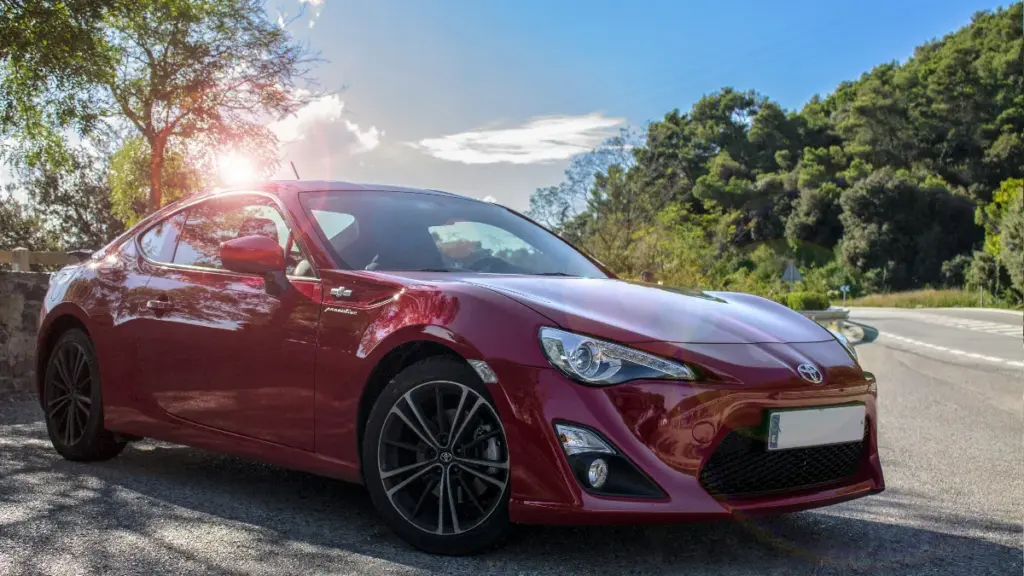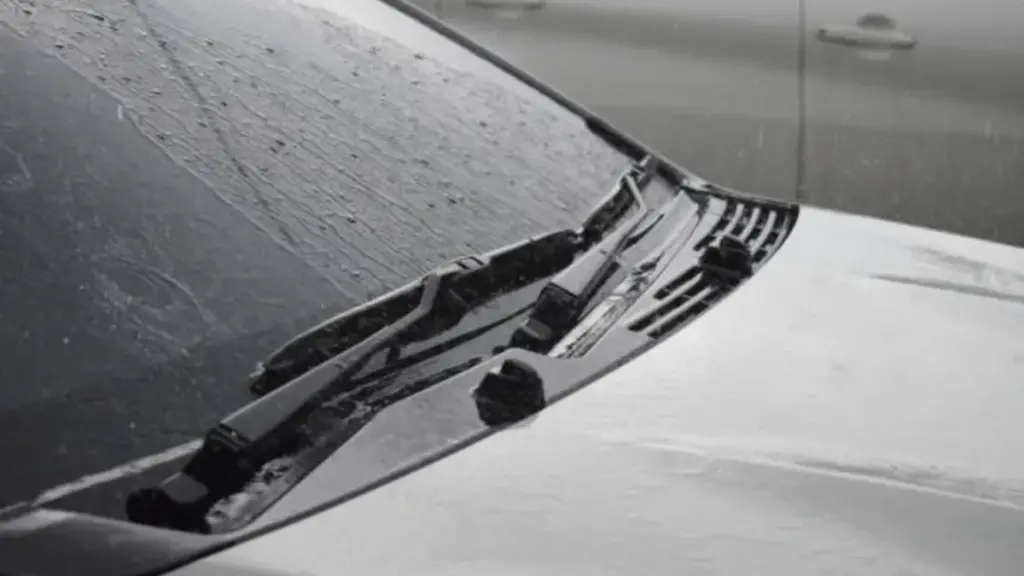
Winter wiper blades perform better in heavy snow, slush, and ice because they resist freezing buildup and stay flexible in low temperatures. All-season wiper blades are the better fit for mild winters and year-round driving, offering broader usability and simpler replacement planning.
This guide compares winter and all-season wiper blades from a technical and commercial perspective, covering structure, bahan, weather performance, lifespan, and product selection by market type.
What Is a Winter Wiper Blade?

A winter wiper blade is designed for cold-weather driving where snow, hujan es, slush, and ice can interfere with normal blade movement.
Key characteristics
- Covered or booted frame designs help block snow and ice from packing into exposed joints.
- Cold-resistant rubber or silicone-based wiping elements stay more flexible in low temperatures.
- Heavier-duty construction supports more reliable wiping in severe winter conditions.
Where winter blades perform best
- Heavy snow and packed ice.
- Freezing rain and slush.
- Regions with long, snowy winters or repeated freeze-thaw cycles.
What Is an All‑Season Wiper Blade?

An all-season wiper blade is designed for broad everyday use across rain, light snow, and moderate temperature changes.
Common product types
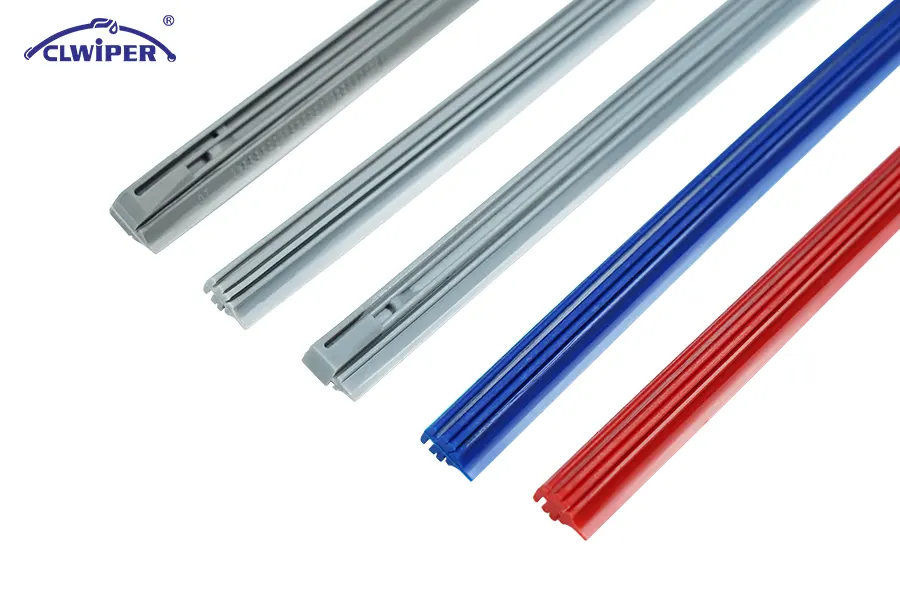
- Bilah penghapus balok use a frameless design that maintains consistent contact across the windshield.
- Bilah penghapus hibrida combine framed support with a streamlined outer shell for balanced all-weather performance.
- Bilah penghapus konvensional remain a lower-cost option for mild to moderate climates.
Where all-season blades perform best
- Mild winter climates with limited snow buildup.
- Year-round daily driving in rain and occasional light snow.
- Broad retail and wholesale programs that need easy replacement and wide vehicle coverage.
Bilah Penghapus Musim Dingin vs Sepanjang Musim: Technical Differences

Winter blades are built for severe cold-weather function, while all-season blades are designed for versatility across changing conditions.
Frame Design and Ice Resistance
Winter blades gain their advantage from protected frame designs that reduce the chance of frozen joints and blocked movement. All-season beam blades also resist ice better than traditional conventional blades because they have fewer exposed moving parts, but dedicated winter blades still hold the edge in severe weather.
Rubber or Silicone Compound Performance in Low Temperatures
Cold weather can stiffen standard rubber and reduce wiping quality. Silicone and cold-resistant winter compounds generally retain flexibility better, which helps maintain windshield contact and reduce chatter in freezing conditions.
Contact Pressure and Wiping Consistency
Consistent contact pressure matters in both rain and winter driving. Beam blades are known for hugging curved windshields more evenly, while winter blades protect that contact advantage when snow and slush would otherwise restrict blade movement.
Durability and Wear When Used Year-round
Winter blades are highly effective in severe winter conditions, but they are not always the most efficient option for year-round use in warm or mild climates. All-season blades typically offer better full-year practicality where winter stress is limited.
Dedicated Wiper Blade Manufacturing & OEM Solutions
Which Blade Type Is Better for Different Buyers?
The best product depends on where and how the vehicle is used, as well as what the buyer expects from the blade line.
Drivers in snowy northern regions
- Best fit: Winter blades.
- Reason: Better control in snow, es, and freezing precipitation.
Drivers in mild winter climates
- Best fit: All-season beam or hybrid blades.
- Reason: Better year-round convenience without the need for seasonal blade changes.
Commercial fleets, SUV, and trucks
- Best fit: Winter blades in severe winter markets; heavy-duty all-season beam or hybrid blades in mixed climates.
- Reason: These vehicles often face longer operating hours, higher exposure, and more demanding road conditions.
Auto parts importers and private-label brands
- Best fit: A climate-based product mix rather than one universal blade type.
- Reason: A core all-season line can support mainstream volume, while a winter line serves colder regions and premium channels more effectively.
How to Choose the Right Wiper Blade for Your Market
Choosing the right blade line starts with climate, but long-term success also depends on vehicle coverage, price positioning, bahan, and packaging execution.
Selection Checklist
- Climate severity: colder markets need stronger winter-ready options.
- Vehicle parc coverage: choose blade families that fit the most common local models efficiently.
- Material tier: rubber supports mainstream pricing, while silicone supports premium winter positioning.
- Product mix: entry, mid-range, and premium lines help serve different sales channels.
- Kemasan: multilingual labeling, Pencetakan Logo, and barcode systems improve retail readiness and brand consistency.
Practical Assortment Model
- Entry line: conventional or basic all-season rubber blades for price-sensitive markets.
- Mid-range line: beam or hybrid all-season blades for mainstream retail and wholesale demand.
- Premium line: winter blades or silicone-enhanced blades for colder or higher-spec markets.
Wiper blade manufacturers such as ALAT PEMOTONG support this kind of assortment planning with OEM production, custom packaging, and global fulfillment support for importers, distributors, and private-label programs. On WiperMarket, buyers can review beam, hibrida, konvensional, and winter-ready blade options while aligning product structure with climate and channel strategy.
Pertanyaan yang Sering Diajukan
Are winter wiper blades worth it?
Ya, winter wiper blades are worth it in snowy and icy regions because they are designed to resist freezing buildup and maintain wiping performance in harsh winter conditions.
Can all-season wipers handle snow?
Ya, all-season wipers can handle light snow and mild winter weather, especially in beam or hybrid designs, but they are less effective than winter blades in deep snow and packed ice.
Can winter wiper blades be used all year?
Ya, they can be used all year, but they are generally most effective as a winter-specific solution and may be less practical than all-season blades in mild climates.
Do winter blades last longer?
Not always, because blade lifespan depends on material, weather exposure, and whether the blade is being used in the conditions it was designed for.
Which is better: rubber or silicone blade for winter use?
Silicone generally performs better in low temperatures because it stays flexible and supports smoother winter wiping, while rubber remains a practical lower-cost option for mainstream product lines.
Do winter wiper blades work in summer
Ya, Bilah penghapus musim dingin can work in summer, but they are usually not the best choice for warm-weather driving because they are designed for snow and ice rather than heat, Paparan UV, and high-speed rain performance. In mild and hot climates, all-season or summer-oriented blades are often more practical because they are lighter, lebih tenang, and better suited for year-round or warm-season use.