A sample tells you what one unit does on one car under the conditions you happened to give it. That is worth knowing, and it is worth writing down properly, because it is the difference between a result your supplier can act on and an opinion nobody can. What an initial trial cannot do is prove durability, weathering or batch consistency, and the most common way sample testing wastes money is treating those three as settled after one parcel arrives.
This page is for the first evaluation of a sample, before any decision about placing an order. It covers what a short trial can legitimately show, what to record before the box is opened, how to keep two samples comparable, how to write down streaking, missed areas and noise so the note means the same thing to both sides, and how buyers and suppliers agree the next step instead of talking past each other.
What Can an Initial Sample Test Tell You—and What Can’t It Prove?
Four things come out of a careful first trial, and they are all about presence or absence rather than degree.
- Whether it fits the application you stated, including how the adapter behaves on that arm and whether the blade travels without interference.
- Whether it clears glass on the first wet run, and whether anything visible appears in the wiped band at all.
- How it behaves through a full cycle, including noise, judder at reversal and whether the tip stays in contact at the ends of the arc.
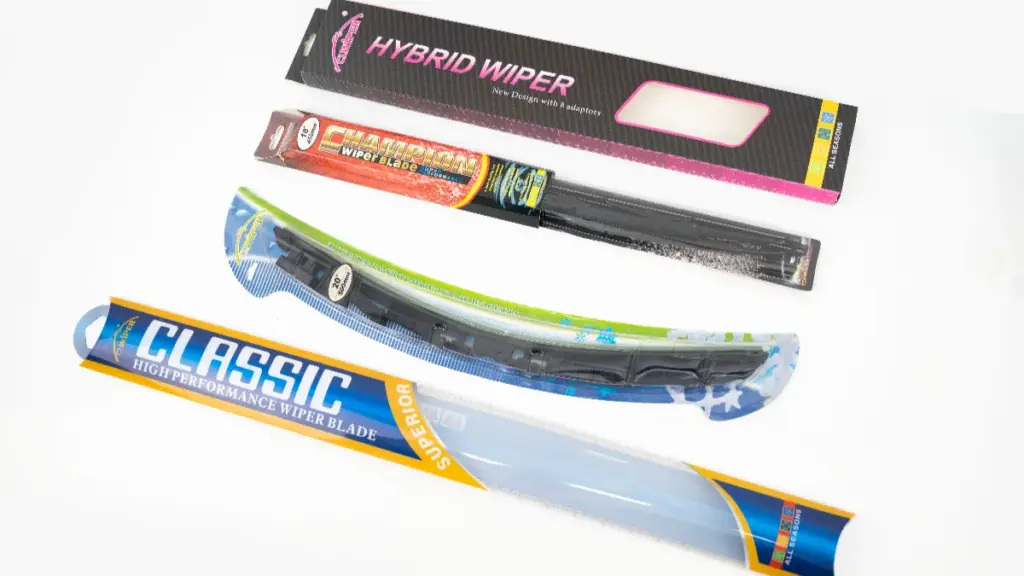
- Whether the sample matches what was ordered, in size, refill profile, adapter set and packaging.
Three things a short trial cannot establish, however carefully it is run:
Service life. A blade that wipes cleanly on day one has told you about day one. Edge wear, coating loss and the point at which contact pressure stops being even are all functions of accumulated cycles and sun, and none of them compress into a short test.
Weathered behaviour. Cold stiffness, summer softening and the way a refill behaves after UV exposure are properties of a material over time. A trial conducted in one week of one climate samples one point on that curve.
Batch consistency. One unit is one draw from a population. Whether the next shipment behaves the same is a question about production control, not about the sample in your hand.
It helps to see where the formal version of this testing sits. The US federal wiper standard demonstrates compliance under the conditions of an SAE recommended practice incorporated by reference, SAE J903a (1966), states its wiped-area requirement as a percentage of defined areas measured when tested wet, and specifies minimum cycle rates in cycles per minute (49 CFR 571.104, S3, S4.1.1 and S4.1.2). It is written for vehicles rather than for replacement parts, and no buyer runs it in a car park. The reason to read it is the contrast: the controlled, instrumented conditions of a formal test are what separate a measurement from an impression, and an honest road trial borrows the discipline rather than the apparatus.
What Should You Record Before Testing?
Before, not after. A result without a recorded starting condition cannot be re-created, and a comparison you cannot re-create will not survive a disagreement.
Identify the sample. SKU or model code, the length supplied, the adapter set actually in the box, the batch or production reference if the supplier gives one, and the date received. Photograph the sample as it arrives, including the label, before anything is fitted. The pack contents published on the listing are what the box gets compared against, which is why the product page should be read before the parcel is opened: the CL908 multifunctional blade page, for instance, states an adapter count of nineteen, and a bag holding fewer than that is a packing finding rather than a wiping one.
Describe the vehicle. Make, model line, year split, body style, market and which position is being tested. Record the arm end with the old blade removed. The fitment record covers these fields in the order they matter, and the same columns serve a test sheet well.
Describe the glass. Age, visible pitting or edge chips, whether the surface has a water-repellent coating, whether there is tree or construction film near the top of the screen, and how the surface was cleaned before the run. This field is the reason many “the new blade is worse” conclusions turn around: contamination that the worn old blade had learned to tolerate shows up immediately on a fresh edge.
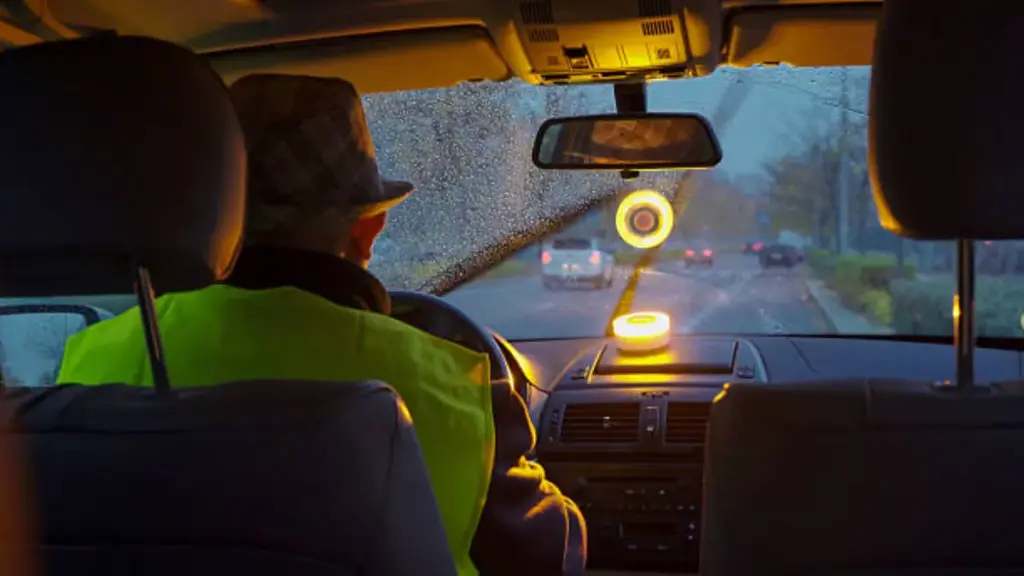
Describe the conditions. Ambient temperature, whether the car had been parked in sun, the washer fluid in use, and what was used to wet the glass. A run in cold shade and a run after an afternoon in direct sun are not the same test.
Fix a reference. The most useful comparison is not another brand’s marketing claim; it is the unit that came off the car, kept clean and fitted back for a repeat run, or a second sample you are benchmarking against. Record which.
How Do You Keep the Comparison Conditions Consistent?
One variable at a time, and count the variables you changed.

The four controls that make the biggest difference are the cheapest to hold:
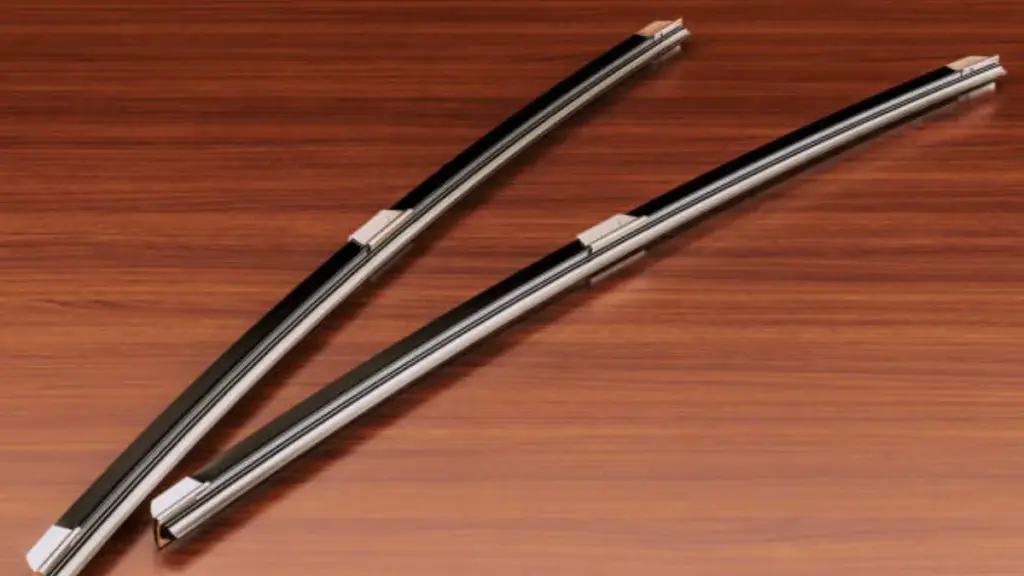
- Surface preparation. Clean the glass the same way before every run, with the same product, and degrease the wiped band. Wipe the element itself with a clean cloth; a fresh blade can carry release residue from its own moulding.
- Water supply. Same volume, same method, and enough of it. A barely damp screen exaggerates friction and produces chatter that a soaked screen does not.
- Machine settings. Same ignition state, same cycle count, same switch position, and the washer used the same way or not at all.
- Environment. Same side of the building or the same stretch of road, similar ambient temperature, similar time of day.
Where you deliberately change something, change one thing only, and say so on the sheet. Swapping from blade A to blade B on the same car, same evening, same cleaning routine is a comparison. Swapping blade A on one car for blade B on another car with a different arm, a different screen and a different fluid is a story, and both sides will read it differently.
For anything that needs a second vehicle or a second week, write down which of those you are changing before you start. It is the difference between a trial that answers a question and a trial that produces an argument.
How Should Streaking, Missed Areas and Noise Be Recorded?
Define where you are looking before you look, and record what you see against that map rather than against a feeling.
Split the glass into zones. Driver’s direct view, the outer edge of each arc, the centre crossover where the two blades hand over, and the band just above the park position. Those four behave differently and fail differently, and a note that says “streaks on the left” is not locatable three weeks later.
Name the pattern, not the severity. Fine parallel lines, a cloudy smear, a band the blade did not reach, and a jump or shudder at reversal are four different observations with four different likely causes. Our page on why new blades leave streaks sets out that distinction, and the same vocabulary on a test sheet is what lets a supplier respond to the observation instead of the adjective. Where the pattern is smearing, the coating matters: graphite, PTFE-type and silicone treatments behave differently against the same glass, which is the subject of our coatings comparison.
Keep the evidence in the same frame every time. Photograph from one fixed position through the same point of the glass, with the blades parked, and take a short video of the full cycle. Still images show pattern; video shows noise, judder and tip lift, which stills cannot.
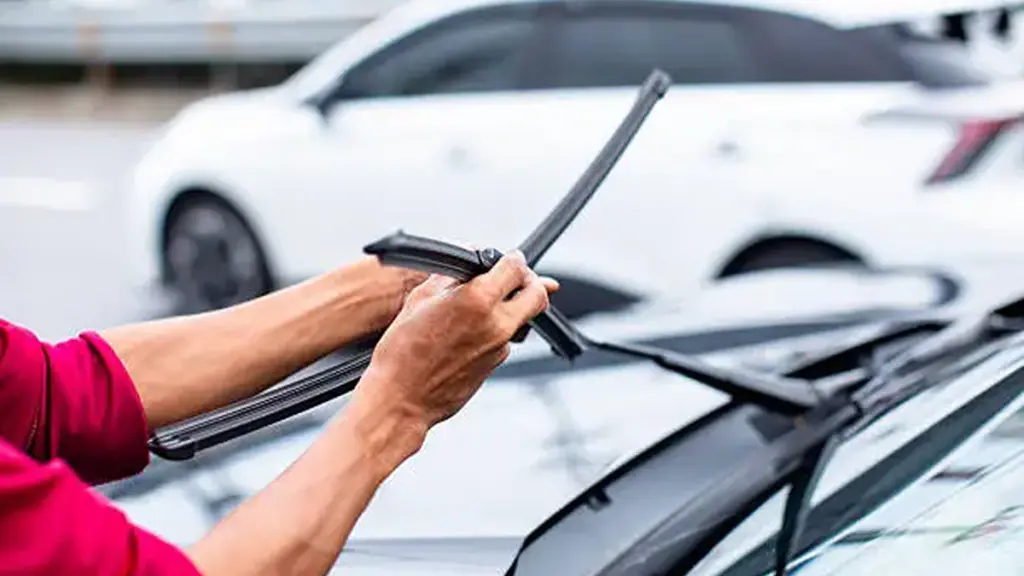
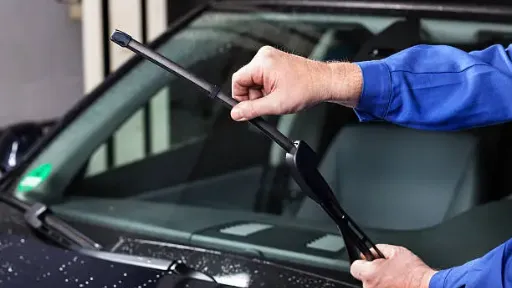
Exclude an invalid test first. Before any result is attributed to the product, confirm the blade is fully seated, the correct adapter is present and undamaged, the arm is not bent, and the protective strip, if there was one, is gone. A mis-seated blade produces a defect pattern that looks exactly like a bad refill, and the cheapest way to lose a supplier dispute is to have run an invalid test.
Record noise without a scale. Describe when it happens (upstroke, downstroke, at reversal, only when partly dry), where on the arc, and whether it appeared from the first cycle or developed later. There is no honest decibel figure to claim from a car park, and an invented one is worse than a description.
There is deliberately no numeric pass mark anywhere on this sheet. Thresholds are something buyer and supplier agree in advance, in writing, against the reference sample; a figure lifted from a generic article has no relationship to either party’s product.
How Do Buyers and Suppliers Agree on the Next Step?
By sending a record rather than a verdict. The table below is the shape we ask for, because each column maps to a different action on the supplier’s side.
| Test condition | Observation | Evidence attached | Action and status |
|---|---|---|---|
| Same glass, same cleaning, reference unit | What the old blade did under identical conditions | Parked photo from the fixed position, cycle video | Baseline; not a pass mark |
| Sample, first wet run | Pattern by zone, in the named vocabulary | Photo per zone, video of two cycles | Accepted as recorded, or re-run after seating check |
| Second day, same conditions | Whether the observation repeats or changed direction | Same-frame photo added to the first | Repeatable, or needs re-check before any claim |
| Partly dry run | Whether noise or judder appears as water drops off | Video with the moment marked | Further verification, conditions noted |
| Seating and adapter check | Whether the defect disappears once the joint is re-seated | Photo of the arm end and adapter number | Invalid test closed out, or genuine finding kept |
| Second vehicle, same sample | Whether the finding is about the blade or about the first car | Vehicle and glass fields completed again | Escalate, or scope the finding to that application |
Agree the method before the sample ships, not after the first complaint: which zones get photographed, how many cycles, what counts as a repeatable finding, and who decides. On the supplier side, the questions worth asking at this stage are about process control and traceability, which are matters of capability rather than of one sample, and are treated in our guide to evaluating a wiper blade supplier and in the walk-through of the blade production process.
Request a Sample With the Method Already Agreed
FAQs About Wiper Blade Sample Testing
Is one sample enough to judge a supplier?
One sample judges one unit. It can settle fitment, first-run behaviour and whether the goods match the specification. Judging a supplier needs the production and traceability questions answered as well, and those are answered by process evidence rather than by a parcel.
Can results from different cars be compared directly?
Not as a rule. Glass curvature, arm downforce, screen age and washer setup all change the result, which is why the vehicle and glass fields belong on the sheet. Cross-car comparisons are useful for spotting a problem that repeats; they are poor evidence of a difference between two products.
Does a clean first wipe prove the blade is durable?
No. A new edge on clean, well-lubricated glass is the easiest condition it will ever face. Durability is about what the same edge does after accumulated cycles, heat and UV, and none of that is visible in the first run. Treat the first result as a baseline, not a promise.
How should noise be recorded so it can be acted on?
Describe its position in the cycle rather than its volume: which stroke, which part of the arc, at what glass wetness, from the first cycle or later. Video carries this far better than a written rating, and a claim about loudness measured in a car park will not survive contact with the other side’s recording.
Which findings need laboratory verification rather than road trials?
Anything about time or about the population: expected service life, behaviour after weathering, and whether a defect shows up across a batch. Those need controlled, repeatable conditions and multiple units. A road trial that appears to prove them has usually only proven that one car, one week, one blade looked a certain way.