Many distributors and online sellers struggle with the same problem: carrying too many wiper blade SKUs while still missing important vehicle applications. As inventory grows, working capital becomes tied up in slow-moving products, stock management becomes more complicated, and profitability becomes harder to maintain.
Effective SKU planning is not about adding more part numbers. It is about maximizing vehicle coverage with the most efficient assortment possible. By building a coverage-first strategy based on local vehicle demand, fitment data, and channel requirements, businesses can reduce inventory risk, improve stock turnover, and create a more scalable wiper blade program.
Why Coverage Planning Matters More Than SKU Quantity
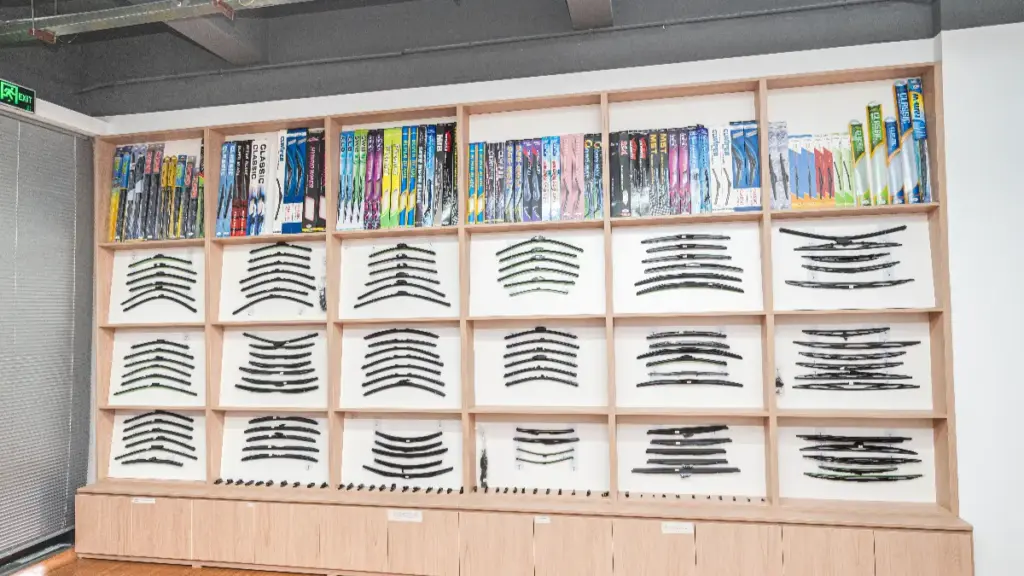
Coverage planning should come before product selection. It helps distributors build a more efficient and profitable wiper blade assortment instead of simply increasing SKU count.
Why More SKUs Do Not Always Mean Better Coverage
Adding more SKUs does not always create meaningful business value. In many markets, a relatively small group of products covers the majority of vehicle applications, while additional SKUs contribute only limited incremental coverage.
For example, 50 carefully selected SKUs may cover 85% of local vehicles. Expanding the assortment to 90 SKUs might increase coverage to 92%, but it also increases inventory investment, storage requirements, and replenishment complexity.
This is a classic example of diminishing returns. As coverage expands, each additional SKU usually contributes less market coverage than the one before it. For this reason, profitable distributors focus first on high-demand applications before investing in long-tail fitments.
How Local Vehicle Data Shapes Coverage Planning
Effective coverage planning starts with understanding the vehicles that actually operate in the target market. Instead of selecting products from a supplier catalog, distributors should first analyze local vehicle population data to identify where demand is concentrated.
Useful data points include:
- Popular Brands: Identify the vehicle manufacturers that dominate the local wiper blade demand.
- Top Models: Focus on the vehicle models that generate the highest replacement demand.
- Vehicle Age Mix: Determine which age groups are most likely to require aftermarket wiper replacement.
- Vehicle Categories: Evaluate the balance between passenger cars, SUVs, pickups, and commercial vehicles.
- Replacement Patterns: Understand differences between front and rear wiper demand.
- Product Mix: Evaluate how different blade types (universal, multi-adapter, specific-fit) influence overall coverage efficiency.
Many distributors use Vehicle in Operation (VIO) or vehicle parc data as the foundation for wiper blade assortment planning. This approach helps allocate inventory toward applications that serve the largest number of vehicles while avoiding unnecessary SKU expansion.
Coverage Percentage as the Real Performance Metric
Many businesses measure assortment strength by SKU count. A more useful metric is coverage percentage—the proportion of local vehicles that can be served by the products in stock.
A distributor with 60 SKUs and 90% vehicle coverage may outperform a competitor carrying 120 SKUs with only slightly higher coverage. By focusing on coverage efficiency instead of catalog size, businesses can find their market position, improve inventory productivity, and build a stronger foundation for future expansion. warehouses based entirely on local vehicle-park data.
Building the Right SKU Foundation

After setting coverage goals, the next step is building a SKU structure that delivers those targets with minimum inventory waste. The focus shifts from quantity to efficient coverage planning.
Understanding Lengths, Connectors, and Front vs Rear Applications
Most wiper blade fitment decisions depend on three factors: blade length, connector type, and application position.
- Blade Length: Common combinations such as 24″ + 18″, 26″ + 16″, and 28″ + 17″ appear across a large portion of passenger vehicles. Focusing on high-frequency sizes improves coverage efficiency.
- Connector Type: Hook, push button, side lock, top lock, pinch tab, and bayonet connectors all require different fitment solutions. Connector diversity often creates more SKU complexity than blade length.
- Front vs Rear Applications: Front wipers generate most replacement demand and should form the foundation of any assortment. Rear wipers usually require more vehicle-specific fitments and are often added later as coverage expands.
Understanding these variables helps distributors build assortments based on actual fitment demand rather than supplier catalogs.
How Many SKUs Are Needed for Different Coverage Goals
The ideal SKU count depends on local vehicle demographics and business objectives. Most distributors expand in stages rather than pursuing maximum coverage from the beginning.
| Coverage Goal | Typical SKU Range | Recommended Use |
|---|---|---|
| Basic Coverage | 20–40 SKUs | New distributors and limited budgets |
| Mainstream Coverage | 40–80 SKUs | Most retail and wholesale operations |
| Extended Coverage | 80–150+ SKUs | Long-tail and specialty applications |
For many markets, 40–80 SKUs provide the best balance between vehicle coverage, inventory turnover, and working capital requirements.
Creating a Balanced Starter Assortment
A new distributor does not need a large catalog to compete effectively. Starting with a focused assortment usually produces better inventory performance and faster stock rotation.
A practical starter program should prioritize:
- High-Volume Vehicles: Focus on the models that dominate local replacement demand.
- Popular Lengths: Stock the blade sizes used by the largest number of vehicles.
- Common Connectors: Prioritize fitment systems with broad compatibility.
- Front Wiper Demand: Build coverage around the highest-volume replacement category.
- Beam Blade Products: Include modern beam blades that combine broad fitment with premium positioning.
As sales data accumulates, distributors can expand into rear wipers, premium segments, and vehicle-specific applications. This phased approach reduces inventory risk while creating a stronger foundation for long-term growth.
Premium OEM Wiper Blades For Global Distributors
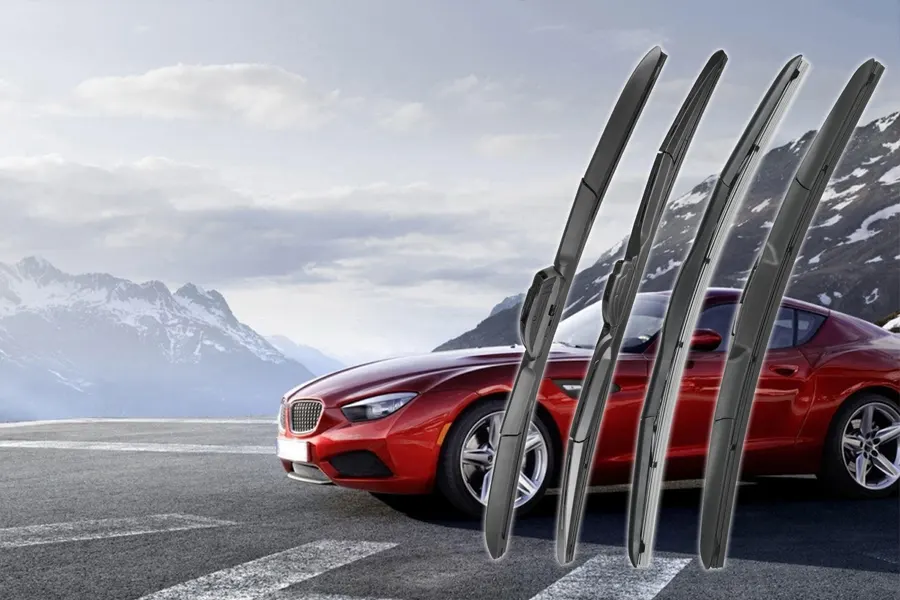
How Blade Design Affects Coverage and Inventory
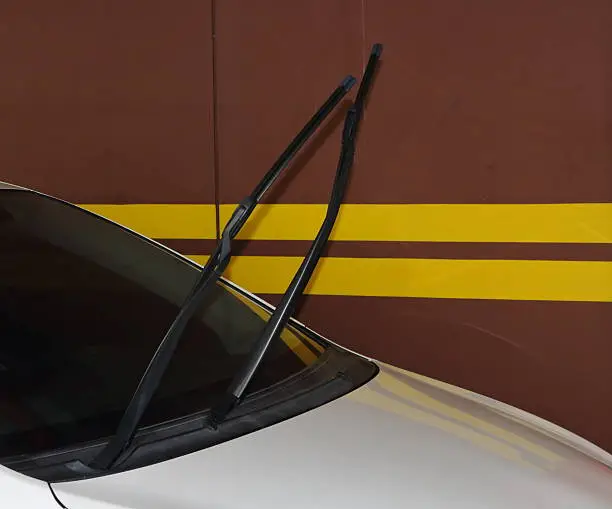
Blade design directly influences how efficiently a product range can cover different vehicles and manage SKU complexity.
Universal, Multi-Adapter, and Specific-Fit Compared
Different blade designs require different inventory strategies. Universal blades offer simplicity, multi-adapter blades improve coverage efficiency, and specific-fit blades provide maximum fitment accuracy.
| Blade Type | Coverage Efficiency | SKU Count | Best For |
|---|---|---|---|
| Universal | Moderate | Low | Basic coverage programs |
| Multi-Adapter | High | Medium | Most distributors and retailers |
| Specific-Fit | Very High | High | Specialized applications |
For most aftermarket businesses, multi-adapter wiper blades offer the best balance between vehicle coverage and inventory efficiency.
Reducing SKU Count Without Losing Coverage
Increasing coverage does not always require adding more SKUs. In many cases, distributors can achieve broader compatibility by using multi-adapter platforms that support several connector types within a single product family.
Key benefits include:
- Lower SKU Count: Fewer connector-specific products are required.
- Higher Coverage: One blade can fit multiple vehicle applications.
- Simpler Inventory Management: Forecasting and replenishment become easier.
- Better Stock Efficiency: More inventory investment goes into fast-moving products.
This approach allows distributors to expand coverage while keeping inventory under control.
When Specific-Fit Products Make Sense
Although multi-adapter products cover most mainstream demand, some applications still require dedicated fitment solutions. In these segments, compatibility is often more important than SKU efficiency.
Specific-fit products are commonly used for:
- Rear Wipers: Many rear blades use vehicle-specific designs.
- Premium Vehicles: Luxury brands often require dedicated connectors.
- European Models: Certain platforms use proprietary attachment systems.
- EV Applications: New vehicle platforms may require unique fitments.
A balanced assortment usually combines broad-coverage multi-adapter blades with selected specific-fit products to fill important market gaps.
Planning SKU Assortments for Retail and Online Channels

Retail and online channels require different SKU strategies due to differences in demand patterns, space limits, and selling behavior.
Retail Assortment Strategy for Fast-Moving Coverage
Retail environments operate under strict shelf-space limitations. Every SKU must justify its Retail Assortment Strategy for Fast-Moving Coverage
Retail environments operate under strict shelf-space limitations. Every SKU must justify its position through consistent sales volume and broad vehicle coverage. Most successful retail programs focus on a compact assortment that delivers the highest coverage per shelf position.
| Retail Priority | Planning Focus |
|---|---|
| Vehicle Coverage | Top local vehicle applications |
| SKU Count | 20–40 fast-moving SKUs |
| Product Type | Multi-adapter and mainstream beam blades |
| Primary Goal | Maximum turnover per shelf position |
Online Assortment Strategy for Long-Tail Demand
Online channels have fewer space limitations, allowing sellers to expand coverage beyond mainstream applications. Instead of maximizing shelf productivity, online assortments focus on capturing long-tail demand and reducing missed sales opportunities.
| Online Priority | Planning Focus |
|---|---|
| Coverage Target | 95%+ vehicle coverage |
| Product Range | Long-tail and specialty applications |
| Expansion Areas | Rear wipers, premium blades, EV fitments |
| Primary Goal | Capture niche demand and reduce coverage gaps |
Managing One Catalog Across Multiple Sales Channels
Retail and online assortments may differ, but maintaining separate product structures often increases inventory complexity. A more efficient approach is to build one master catalog and adjust product visibility by channel.
Core fast-moving SKUs can support all channels, while specialized applications remain focused on online sales. This improves inventory utilization and reduces duplicate stock.
As businesses expand into private-label and multi-channel sales, OEM and ODM support helps simplify catalog management. At CLWIPER, distributors use flexible product platforms, customized packaging, and private-label solutions to support different channels while maintaining a streamlined SKU structure.
You may be interested in: Wiper Blade Business Models Guide: Retail, Wholesale and Online
Using Fitment Data to Improve Inventory Decisions
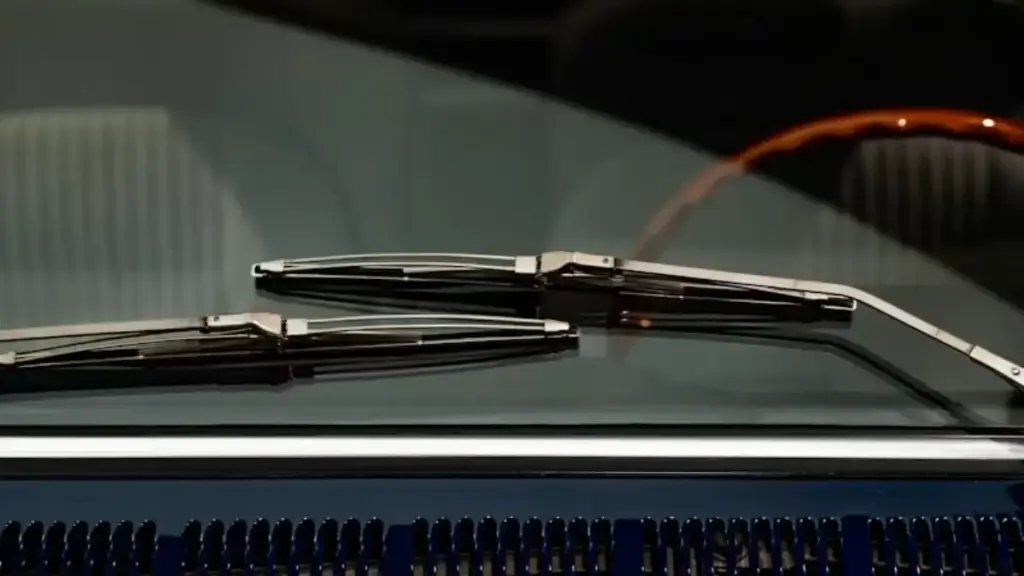
Fitment data should do more than confirm vehicle compatibility. It also helps distributors make clearer and more profitable inventory decisions.
Focusing on High-Demand Vehicles First
Large fitment databases often tempt businesses to pursue maximum coverage too early. In reality, a small group of vehicle models usually generates most replacement demand.
Instead of expanding across every application, focus on the vehicles that create the greatest sales potential.
- High-Volume Models: Prioritize the most common vehicles in the local market.
- Popular Fitments: Focus on blade sizes shared by multiple vehicle platforms.
- Common Connectors: Support the connector systems used by the largest vehicle population.
This approach improves coverage efficiency while keeping inventory investment under control.
Identifying Coverage Gaps and Slow-Moving SKUs
Effective coverage planning requires adding the right products and removing the wrong ones. Fitment analysis helps distributors identify missing applications while highlighting SKUs that contribute little to sales or market coverage.
| SKU Tier | Role in Assortment |
|---|---|
| Core SKUs | High-volume products that generate most sales |
| Support SKUs | Applications that expand market coverage |
| Special-Order SKUs | Low-demand products supplied only when needed |
Regular reviews help reduce inventory waste while maintaining strong coverage across key vehicle applications.
Turning Customer Requests Into Better Coverage Planning
Sales reports show current demand, but customer requests often reveal future demand. Repeated inquiries for the same fitment can indicate coverage gaps before they appear in sales data.
- Coverage Gaps: Frequent requests may highlight missing applications.
- Market Changes: New vehicle models can create emerging demand.
- Regional Trends: Local preferences often appear in inquiry data first.
Tracking these requests helps distributors refine their assortments and expand coverage based on real market signals rather than assumptions.
You may be interested in: How to Find Your Position in a Competitive Wiper Blade Market
Improving Coverage After the First Year
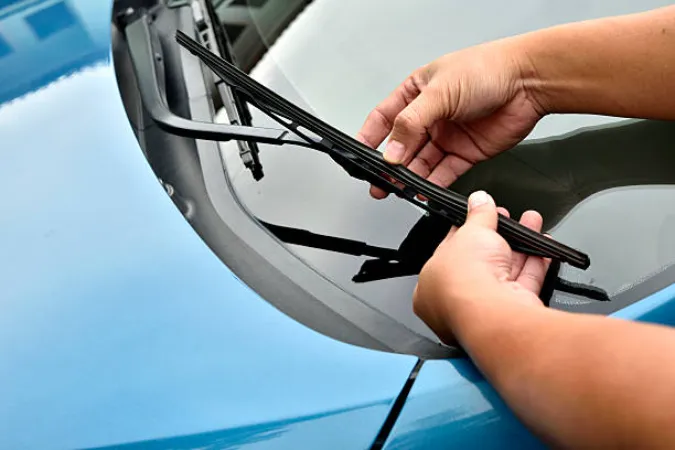
The first year of sales provides real market data that reveals how well the SKU structure matches actual demand.
Reviewing Sales Data and Coverage Performance
Annual performance reviews help identify how well the current assortment matches real market demand. Instead of only tracking sales volume, distributors should evaluate how efficiently each SKU supports overall coverage.
Key metrics include:
- Best-Selling Products: Identify SKUs that consistently drive core revenue.
- Coverage Efficiency: Measure how much of the vehicle parc is actually served.
- Inventory Turnover: Track how fast products move through the system.
- Stock-Out Frequency: Identify lost sales caused by missing inventory.
- Customer Requests: Capture unmet demand signals from the market.
Together, these indicators show whether the current SKU structure is balanced or overloaded.
Expanding High-Potential Applications
Once the core assortment is stable, expansion should focus on product categories with stronger value potential rather than simply increasing SKU count.
Growth often comes from segments that combine higher margins with growing demand, such as:
- Rear Wiper Blades: Often underdeveloped but essential for full-vehicle coverage.
- Premium Beam Blades: Higher durability and stronger market positioning.
- Silicone Blades: Better performance in extreme weather conditions.
- EV Applications: Increasing demand from new vehicle platforms.
- Aerodynamic Designs: Improved noise reduction and wiping efficiency.
Instead of expanding across all categories at once, distributors gain better results by prioritizing segments that align with regional vehicle trends and margin structure.
Building a Scalable Long-Term Coverage Strategy
Sustainable growth in the wiper blade business depends on continuous optimization rather than constant SKU expansion. The most successful distributors treat coverage planning as an ongoing system, not a one-time setup.
Over time, they refine assortment structure, reduce low-value SKUs, and adjust inventory based on evolving vehicle populations and market behavior.
At this stage, manufacturing flexibility becomes critical. Partners like CLWIPER support this process by providing OEM/ODM development, adaptable packaging solutions, and scalable production systems. This allows distributors to expand coverage gradually without increasing operational complexity, ensuring long-term balance between market reach, inventory efficiency, and profitability.
Frequently Asked Questions
How many wiper SKUs does a distributor actually need?
A modern aftermarket distributor can achieve 95 to 98% vehicle coverage with just 15 to 25 multi-fit beam SKUs. A full-tier program including rear blades and premium options typically requires 20 to 45 SKUs. Legacy programs carrying 80 to 150+ exact-fit part numbers tie up working capital and create warehouse complexity, which is why most operations are rapidly rationalizing down to a tighter multi-fit core.
What is a realistic vehicle coverage target for a new wiper program?
Chasing 100% coverage at launch creates immediate inventory bloat. A practical initial target is 60 to 70% of the active vehicle parc, prioritizing the highest-volume fitments and common connector families. As the program matures and actual sales data validates your regional demand, you can strategically expand coverage to the 80 to 90% range without accumulating dead stock.
How do multi-adapter wiper systems lower inventory pressure?
Multi-adapter systems consolidate dozens of legacy parts into a single multi-fit solution. By pairing one base blade length with a set of interchangeable adapters, one product easily attaches to J-hooks, pinch tabs, push buttons, and bayonet arms. This drastically reduces your total shelf space requirements while covering a much broader segment of the car parc per stocked item.
How should I handle requests for wiper sizes or models I do not stock?
Treat these requests as opportunities for cross-referencing and upselling instead of reasons to immediately expand your catalog. Check your fitment data to see if a stocked multi-fit blade solves the technical requirement safely. If a customer requests a basic conventional blade you lack, position your stocked premium silicone or beam blade as a superior, longer-lasting alternative rather than placing a low-margin special order.
How frequently should a wiper SKU list and fitment catalog be updated?
Monitor return rates and fitment complaints weekly to catch critical errors fast. Perform tactical catalog updates quarterly to adjust mappings and add newly released vehicle model years. Execute a full strategic review annually to retire dead stock, consolidate redundant parts, and analyze long-term market shifts.
Final Thoughts
Successful wiper blade SKU planning is not about expanding catalogs, but about building the right balance between vehicle coverage, fitment accuracy, and inventory efficiency. Distributors that prioritize coverage percentage and real market demand can achieve stronger turnover, lower inventory pressure, and more stable long-term performance than those relying on SKU expansion alone.
As markets and vehicle technologies continue to evolve, coverage planning should remain a continuous process supported by fitment data and structured inventory decisions. With flexible manufacturing, scalable product systems, and OEM/ODM support, CLWIPER helps distributors and online sellers build efficient wiper blade programs that improve coverage while maintaining full control over inventory complexity and growth strategy.