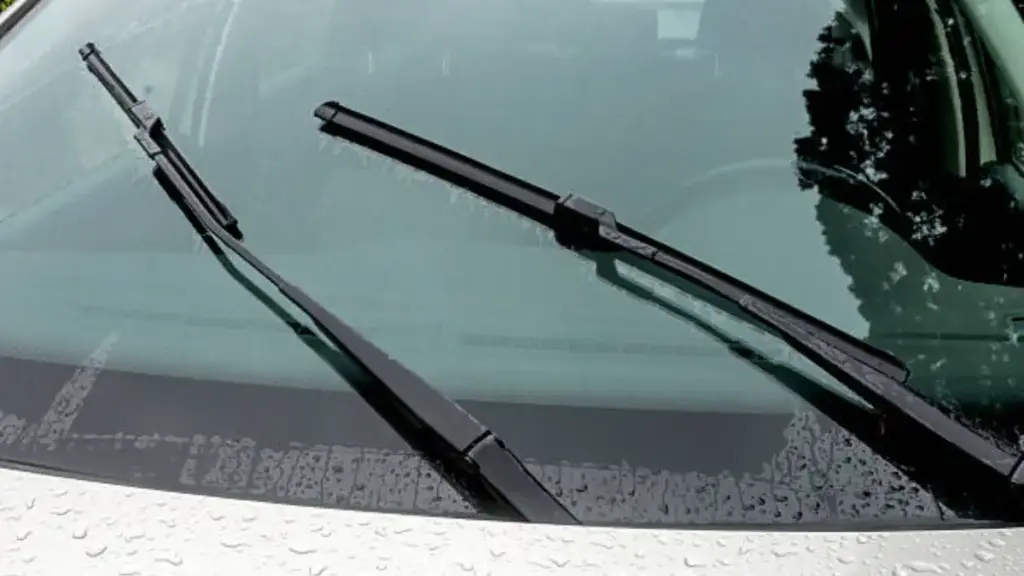
Elektrofahrzeuge und ADAS machen herkömmliche Wischerblätter still und leise zu einem Beschaffungsrisiko für Händler und Markeninhaber. Viele herkömmliche Produkte erfüllen nicht die modernen Anforderungen an die Sichtbarkeit von Sensoren, geräuscharm, und aerodynamische Stabilität, Dies schafft neue Herausforderungen für Unternehmen, die Wischerblätter für Elektrofahrzeuge und fortschrittliche Fahrzeugplattformen liefern. Für B2B-Käufer, Dies erhöht die Unsicherheit bei der Produktauswahl, Bestandsplanung, und langfristige Marktpositionierung.
In diesem Artikel wird erläutert, wie EV- und ADAS-Technologien die Anforderungen an Scheibenwischer verändern, welche Leistungsstandards moderne EV-Wischerblätter erfüllen müssen, und wie Händler und Marken ihre Produktstrategie anpassen können, Preisstruktur, und Lieferantenauswahl, um in den sich entwickelnden Automobilmärkten wettbewerbsfähig zu bleiben.
Warum Elektrofahrzeuge und Fahrerassistenzsysteme den Scheibenwischermarkt neu gestalten
EV- und ADAS-Technologien verändern die globalen Standards für das Fahrzeugdesign. Da Fahrzeuge immer vernetzter und automatisierter werden, Wischerblätter sind keine einfachen Reinigungsteile mehr. Sie unterstützen jetzt die Leistung auf Systemebene, einschließlich Sensorsichtbarkeit und Fahrsicherheitsfunktionen.
Das Design der EV-Plattform verändert die Fahrzeugaerodynamik und die Windschutzscheibenstruktur
Bei Elektrofahrzeugen stehen Effizienz und Reichweite im Vordergrund. Um dieses Ziel zu unterstützen, Hersteller verwenden glattere Frontdesigns und stärker gebogene Windschutzscheiben. Diese Veränderungen erhöhen den aerodynamischen Druck auf die Glasoberfläche, vor allem bei hohen Geschwindigkeiten.
Wesentliche strukturelle Unterschiede bei EV-Plattformen
| Fahrzeugaspekt | Traditionelle Fahrzeuge | EV-Plattformen |
|---|---|---|
| Windschutzscheibenform | Standardkrümmung | Aerodynamischer, steilere Winkel |
| Luftströmungsverhalten | Stabiler Luftstrom | Druckveränderung mit hoher Geschwindigkeit |
| Wischeranforderung | Grundreinigung | Stabiler Kontakt unter aerodynamischer Belastung |
Infolge, EV-Wischerblätter müssen bei wechselnden Luftströmungsbedingungen eine konstante Kontaktstabilität aufrechterhalten, insbesondere bei Hochgeschwindigkeitsfahrten und Langstreckenfahrten.
ADAS-Systeme machen die Klarheit der Windschutzscheibe zu einer sicherheitskritischen Funktion
Moderne ADAS-Systeme sind zur Spurerkennung auf an der Windschutzscheibe montierte Kameras und Sensoren angewiesen, Notbremsung, und Objekterkennung. Jegliche Verschmutzung der Glasoberfläche kann die Systemgenauigkeit sofort beeinträchtigen.
Dadurch entsteht eine direkte Verbindung zwischen Scheibenwischerleistung und ADAS-Zuverlässigkeit. Selbst kleine Probleme wie Streifen oder Wasserfilm können die Klarheit der Kamera beeinträchtigen und die Reaktionsgenauigkeit des Systems verringern.
Im Gegensatz zu herkömmlichen Fahrzeugen, Die Klarheit der Windschutzscheibe in Fahrzeugen, die mit ADAS ausgestattet sind, ist kein Komfortfaktor mehr. Es wird zu einer Echtzeit-Eingabebedingung, die Fahrentscheidungen und Systemverhalten direkt beeinflusst.
Warum Scheibenwischer von Verbrauchsmaterialien zu Systemkomponenten werden
Wischerblätter werden nicht mehr als einfache Ersatzteile behandelt. Sie sind jetzt Teil des Sicht- und Sensorsystems des Fahrzeugs, geprägt sowohl von der EV-Architektur als auch von den ADAS-Anforderungen.
Zu den wichtigsten Änderungen gehören::
- Systemabhängigkeit: Scheibenwischer wirken sich jetzt auf die Kamera- und Sensorstabilität aus, nicht nur die Sicht des Fahrers.
- Höhere Leistungsstandards: Geräuscharm, stabiles Wischen, und kontrollierter Druck sind unter allen Bedingungen erforderlich.
- Ausrichtung des Lebenszyklus: Für Elektrofahrzeugflotten sind eine längere Lebensdauer und längere Wartungszyklen erforderlich.
Diese Verschiebung erhöht die Bedeutung der Materialqualität, technische Präzision, und Plattformkompatibilität. Für B2B-Käufer, Die Bewertung hat sich vom Preisvergleich zum verschoben Leistungsbewertung auf Systemebene.
Wie sich die EV-Systemarchitektur auf die Wischerintegration auswirkt
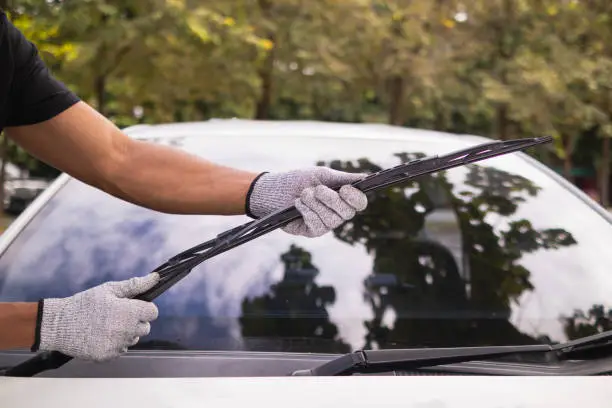
EV-Plattformen nutzen fortschrittliche elektrische und modulare Architekturen. Infolge, Scheibenwischer sind keine isolierten mechanischen Teile mehr. Sie arbeiten jetzt als Teil eines vernetzten Fahrzeugsteuerungssystems, das die Elektronik vernetzt, Energiemanagement, und Plattformdesign.
Integration mit Elektro- und Steuerungssystemen für Elektrofahrzeuge (DÜRFEN / LIN / intelligente Logik)
Moderne Elektrofahrzeuge verbinden Scheibenwischersysteme über Fahrzeugnetzwerke wie CAN und LIN. Dadurch können Scheibenwischer als Teil eines koordinierten Steuerungssystems arbeiten, anstatt als einfache manuelle Schaltfunktion.
Mit diesem Setup, Scheibenwischer können auf Echtzeitsignale wie Regensensoren reagieren, Fahrzeuggeschwindigkeit, und Sichtbedingungen von ADAS-Systemen. In einigen Fällen, Das System kann das Wischen automatisch aktivieren, wenn die Sicht der Kamera nachlässt.
Diese Integration erhöht die Fahrsicherheit und reduziert unnötige Wischzyklen, Dies trägt auch dazu bei, den Energieverbrauch und den mechanischen Verschleiß zu senken.
Einfluss der Wärme- und Energiesysteme von Elektrofahrzeugen auf den Scheibenwischerbetrieb
Elektrofahrzeuge verwalten ihre Energie sorgfältig, um die Reichweite zu schützen. Damit ist jedes Hilfssystem gemeint, inklusive Scheibenwischer, müssen innerhalb strenger Energiegrenzen betrieben werden, vor allem in kalten umgebungen.
Zu den wichtigsten betrieblichen Auswirkungen gehören::
- Energiekontrolle: Der Wischerbetrieb kann in Arbeitszyklen optimiert werden, um die Batteriebelastung zu reduzieren.
- Kalte Leistung: Niedrige Temperaturen erhöhen die Gummisteifigkeit und den Reibungswiderstand beim Start.
- Systemkoordination: Abtau- und Heizsysteme beeinflussen den Zeitpunkt und die Stabilität des Wischens.
Gesamt, Wischersysteme müssen bei Temperaturschwankungen eine stabile Leistung aufrechterhalten und gleichzeitig den Energieverbrauch niedrig halten.
Standardisierung der Fahrzeugplattform und modulare Kompatibilität
Viele Hersteller von Elektrofahrzeugen nutzen gemeinsame Plattformen für mehrere Modelle. Dies verbessert die Produktionseffizienz, erhöht aber auch die Anforderungen an die Flexibilität des Wischerdesigns.
Anstatt für ein einzelnes Modell zu entwerfen, Anbieter konzentrieren sich jetzt auf Kompatibilität auf Plattformebene. Dies verkürzt die Redesign-Zyklen und verbessert die globale Anpassungsfähigkeit.
In der Praxis, Modulare Wischersysteme müssen unterschiedliche Armtypen unterstützen, Windschutzscheibengeometrien, und Blade-Konfigurationen unter Beibehaltung konsistenter Leistungsstandards über alle Modelle hinweg.
Maximieren Sie Ihre Margen mit Premium-OEM-Wischern
Warum Leistungseinschränkungen bei Elektrofahrzeugen das Wischerdesign neu definieren
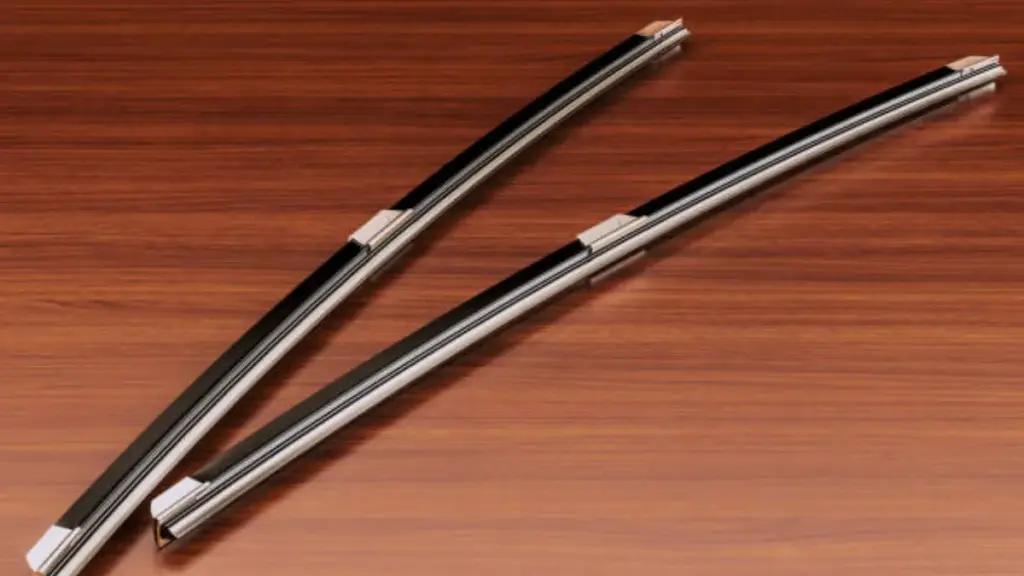
Elektrofahrzeuge führen für alle Fahrzeugsysteme zu strengeren Leistungsanforderungen. Im Vergleich zu Fahrzeugen mit Verbrennungsmotor, Elektrofahrzeuge reagieren empfindlicher auf Lärm, Energieverbrauch, und Materialeffizienz. Dies zwingt Wischersysteme dazu, sich von einfachen Reinigungswerkzeugen zu technischen Komponenten zu entwickeln, die höhere Leistungsstandards erfüllen müssen.
NVH-Empfindlichkeit in leisen EV-Kabinen
Elektrofahrzeugkabinen sind extrem leise, da sie Motor- und Abgasgeräusche eliminieren. Dadurch wird jedes kleine mechanische Geräusch während der Fahrt deutlicher wahrgenommen.
Der Scheibenwischerbetrieb wird Teil der wahrgenommenen Fahrzeugqualität. Geräusche wie Klingenklappern, Vibration, oder ungleichmäßiger Glaskontakt können sich direkt auf den Benutzerkomfort und die Produktwahrnehmung auswirken.
Um die Erwartungen an Elektrofahrzeuge zu erfüllen, Scheibenwischersysteme müssen einen stabilen Druck und eine gleichmäßige Bewegung über die gesamte Windschutzscheibe aufrechterhalten, insbesondere bei hohen Wischgeschwindigkeiten.
Anforderungen an niedrigen Energiebedarf und Reibungsreduzierung
Energieeffizienz hat bei der Entwicklung von Elektrofahrzeugen oberste Priorität, und Wischersysteme müssen innerhalb strenger Leistungsgrenzen arbeiten.
Der Hauptenergieverlust entsteht durch die Reibung zwischen der Gummiklinge und der Glasoberfläche. Ein höherer Widerstand erhöht die Motorlast und verringert die Gesamteffizienz des Systems.
In praktischer Hinsicht, Daraus ergeben sich drei klare Anforderungen:
- Reibungsarmes Design: Reduziert den Energieverbrauch im Betrieb
- Stabiler Messerkontakt: Verbessert die Wischkonsistenz bei unterschiedlichen Geschwindigkeiten
- Reibungslose Bewegungssteuerung: Minimiert unnötige Motorbelastung
Selbst kleine Verbesserungen der Reibungsleistung können zu einer besseren Gesamteffizienz des Fahrzeugs und einer Optimierung der Reichweite beitragen.
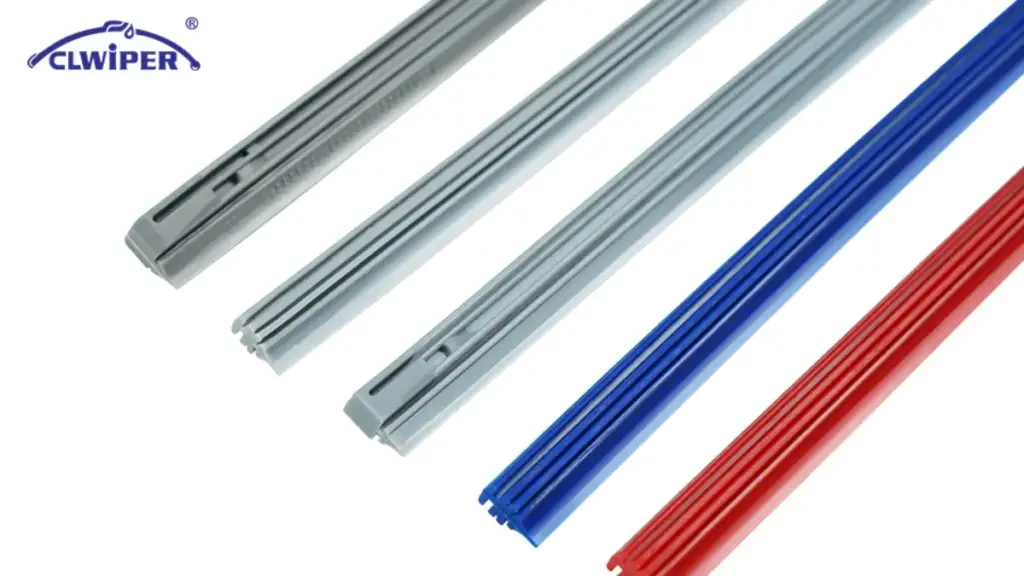
Fortschrittliche Entwicklung von Gummimaterialien und Beschichtungen
Um die Leistungsanforderungen von Elektrofahrzeugen zu erfüllen, Wischermaterialien werden verbessert, um die Haltbarkeit zu verbessern, Reibungskontrolle, und Umweltbeständigkeit. Effiziente Batteriechemie, und die Durchsetzung strenger Standards für das Recycling am Ende der Lebensdauer in allen Fahrzeugbeschaffungsverträgen.
| Materialtyp | Hauptfunktion |
|---|---|
| Graphitbeschichteter Gummi | Reduziert die Reibung und verbessert die Wischglätte |
| Verbindungen auf Silikonbasis | Verlängert die Lebensdauer bei Temperaturschwankungen |
| UV- und ozonbeständiger Gummi | Verhindert Alterung und Rissbildung bei Langzeitgebrauch |
Bei diesen Materialverbesserungen handelt es sich nicht um eigenständige Verbesserungen. Sie unterstützen direkt die Anforderungen von Elektrofahrzeugen an geringe Geräuschentwicklung, reduzierter Energieverbrauch, und längere Wartungszyklen.
Da die Akzeptanz von Elektrofahrzeugen zunimmt, Die Materialleistung wird zu einem Schlüsselfaktor sowohl bei der Produktpositionierung als auch bei der Lieferantenauswahl.
Wie ADAS-Systeme Scheibenwischer zu einer sicherheitskritischen Komponente machen
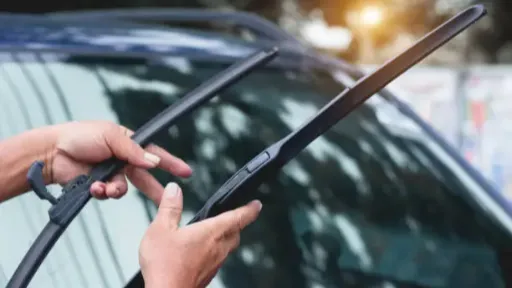
ADAS-Systeme basieren auf an der Windschutzscheibe montierten Kameras und Sensoren, um wichtige Fahrfunktionen zu unterstützen. Infolge, Die Wischerleistung wirkt sich jetzt direkt auf die Sichtbarkeit des Sensors aus, Systemgenauigkeit, und allgemeine Fahrsicherheit.
Sichtbarkeitszonen der Kamera und Anforderungen an die Wischpräzision
Moderne Fahrzeuge definieren bestimmte Kamerasichtzonen auf der Windschutzscheibe, um ADAS-Funktionen wie Spurhaltung und Objekterkennung zu unterstützen.
Wischer müssen diese Zonen mit hoher Präzision reinigen. Sogar kleinere Streifen, Wasserfilm, oder ungleichmäßige Wischmuster können die Klarheit der Kamera beeinträchtigen und die Systemzuverlässigkeit beeinträchtigen.
Im Gegensatz zu herkömmlichen Fahrzeugen, Die Wischleistung muss sich nun an den Sichtpfaden der Sensoren orientieren und nicht nur an den Sichtanforderungen des Fahrers. Daher ist ein stabiler Kontakt über kritische Zonen hinweg unerlässlich, insbesondere bei hoher Geschwindigkeit und starkem Regen.
Sensorschutz und störungsfreie Wischwege
ADAS-bezogene Sensoren, einschließlich Regen- und optischer Sensoren, sind sehr empfindlich gegenüber Vibrationen, Rückstand, und instabiler Wischdruck.
Jede Inkonsistenz in der Klingenbewegung kann den Sensoreingang verzerren und die Erkennungsgenauigkeit verringern.
Um eine stabile Systemleistung sicherzustellen, Wischeranlagen müssen gewartet werden:
- Stabile Druckverteilung: Gewährleistet einen gleichmäßigen Kontakt auf der gesamten Glasoberfläche
- Vibrationsfreie Bewegung: Verhindert Signalverzerrungen durch Mikrochattern
- Oberfläche reinigen: Verhindert Rückstände, die die Sensormesswerte beeinträchtigen könnten
Diese Bedingungen sind für die Aufrechterhaltung eines zuverlässigen Sensorbetriebs in realen Fahrumgebungen unerlässlich.
Integration zwischen Wischersteuerlogik und ADAS-Systemen
In modernen Fahrzeugarchitekturen, Scheibenwischer werden zunehmend mit ADAS-Steuerungssystemen verbunden.
Dies ermöglicht eine automatische Anpassung des Wischverhaltens basierend auf Echtzeit-Eingaben wie Wetterbedingungen, Sensor-Feedback, und Sichtbarkeitsstufen. In einigen Fällen, Das System kann die Wischgeschwindigkeit ohne Zutun des Fahrers aktivieren oder anpassen.
Diese Integration stellt eine direkte Verbindung zwischen Sensor- und Reinigungssystemen her. Wenn die Wischerleistung nicht ausreicht, ADAS-Systeme können den Automatisierungsgrad reduzieren oder ein Eingreifen des Fahrers erfordern, um einen sicheren Betrieb aufrechtzuerhalten.
In diesem Wandel entstehen neue Klingendesigns und Beschichtungen
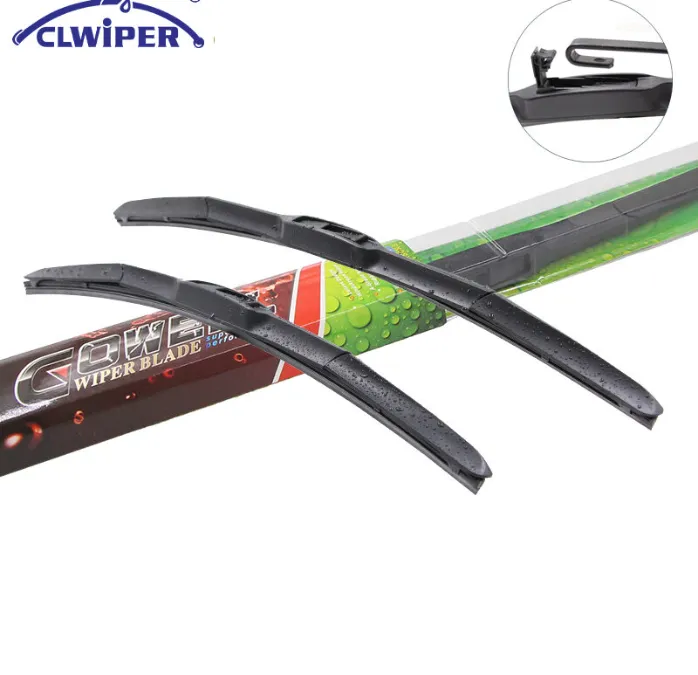
Während die EV- und ADAS-Technologien voranschreiten, Moderne Wischerblätter für Elektrofahrzeuge müssen höhere Standards erfüllen als herkömmliche Designs. Die Hersteller konzentrieren sich jetzt auf die aerodynamische Effizienz, Sichtbarkeit des Sensors, und langfristige Haltbarkeit zur Unterstützung zunehmend vernetzter und elektrifizierter Fahrzeugplattformen.
Beam-Blade-Dominanz in modernen EV-Plattformen
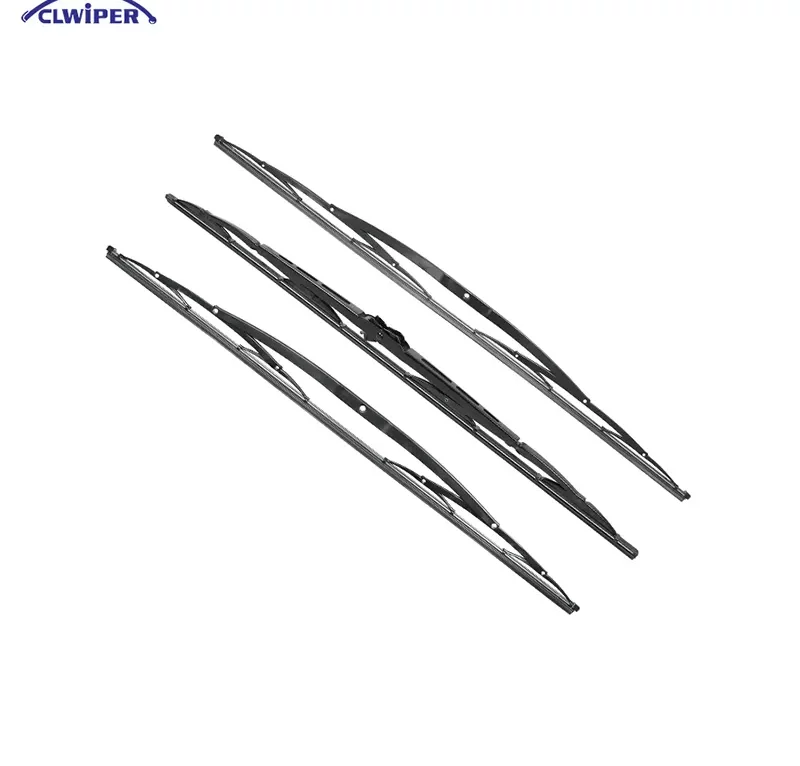
Strahlblätter sind aufgrund ihrer rahmenlosen Struktur und aerodynamischen Leistung zur Standardlösung in den meisten EV-Plattformen geworden.
Im Vergleich zu herkömmlichen gerahmten Klingen, Balkenkonstruktionen halten den gleichmäßigen Druck ohne externe Unterstützung aufrecht, Verbesserung der Stabilität bei hohen Geschwindigkeiten und Reduzierung des Windauftriebs.
Hauptvorteile:
- Aerodynamische Stabilität: Zuverlässiger Kontakt auf gebogenen Windschutzscheiben von Elektrofahrzeugen
- Lärmreduzierung: Mehr Komfort in geräuscharmen EV-Kabinen
- Sensorkompatibilität: Stabiles Wischen über ADAS-Kamerazonen hinweg
Infolge, Beam Blades sind mittlerweile weit verbreitet in Elektrofahrzeug- und Hochleistungssegmenten, wo Stabilität und Präzision von entscheidender Bedeutung sind.
Weiterentwicklung der Hybridblätter für Märkte mit mehreren Klimazonen
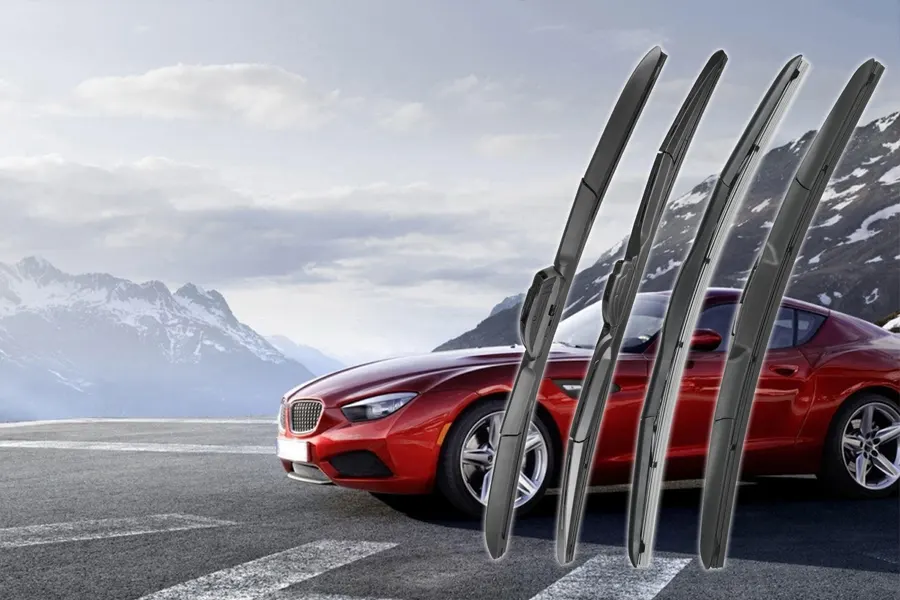
Hybridklinge kombiniert die Aerodynamik im Balkenstil mit der strukturellen Stärke traditioneller Rahmendesigns, bietet eine ausgewogene Leistung zwischen Flexibilität und Haltbarkeit.
Sie werden hauptsächlich in Regionen mit gemischten oder extremen Wetterbedingungen eingesetzt, wo Fahrzeuge Regen ausgesetzt sind, Schnee, und Staub das ganze Jahr über. Das Design trägt dazu bei, eine stabile Wischleistung aufrechtzuerhalten und gleichzeitig den Windwiderstand während der Fahrt zu verringern.
Aufgrund dieses Gleichgewichts, Hybridblätter werden häufig in Flottenfahrzeugen und weltweiten Aftermarket-Anwendungen eingesetzt, die zuverlässige Leistung in verschiedenen Klimazonen erfordern.
Vielleicht sind Sie daran interessiert: Was sind Hybrid-Wischerblätter?? Der komplette Leitfaden
Fortschrittliche Beschichtungen: Graphit, hydrophob und UV-Schutz
Die Beschichtungstechnologie ist heute ein Schlüsselfaktor bei der Optimierung der Wischerleistung. Anstatt sich nur auf Gummimaterialien zu verlassen, Hersteller nutzen Oberflächenbehandlungen, um die Reibungskontrolle zu verbessern, Wasserverhalten, und Haltbarkeit.
| Beschichtung | Funktion | Nutzen |
|---|---|---|
| Graphitbeschichtung | Reduziert die Reibung | Sanfteres Wischen und geringere Energiebelastung |
| Hydrophobe Schicht | Verbessert den Wasserabfluss | Schnellere Wiederherstellung der Sicht bei Regen |
| UV-Schutzschicht | Verhindert Materialalterung | Längere Lebensdauer in Umgebungen mit hoher Belastung |
Diese Beschichtungen verbessern direkt die Wischeffizienz, den mechanischen Widerstand verringern, und die Austauschzyklen verlängern.
Für B2B-Käufer, Sie schaffen zudem eine klare Unterscheidung zwischen Standard- und Premium-Produktlinien.
Wie EV-Trends die Produktstrategie und Marktpositionierung verändern
Da die Akzeptanz von Elektrofahrzeugen und Fahrerassistenzsystemen zunimmt, Der Scheibenwischermarkt entwickelt sich vom preisbasierten Wettbewerb hin zur wertorientierten Positionierung. Lieferanten konkurrieren jetzt über ihre Leistung, Systemkompatibilität, und langfristigen Produktwert, was die Strukturierung von Produktportfolios verändert.
Von Standardteilen bis hin zu Premium-Sichtsystemen
Wischerblätter werden nicht mehr als einfache, kostengünstige Ersatzteile behandelt. In EV- und ADAS-Fahrzeugen, Sie sind Teil eines Sichtsystems, das die Klarheit der Kamera und die Leistung der Fahrassistenz unterstützt.
Aufgrund dieser Verschiebung, Käufer bewerten Produkte mittlerweile anhand der Leistungsstabilität, Geräuschpegel, Sensorkompatibilität, und Haltbarkeit. Der Preis ist nicht mehr der einzige Entscheidungsfaktor, insbesondere in Premium-Fahrzeugsegmenten.
Strategie zur abgestuften Produktsegmentierung von EV/ADAS
Anpassung an die Marktnachfrage, Zulieferer benötigen eine klare Stufenstruktur, die den unterschiedlichen Fahrzeuggenerationen und Kundenbedürfnissen gerecht wird.
| Produktstufe | Zielsegment | Schlüsselwert |
|---|---|---|
| Wirtschaft | Ältere Fahrzeuge | Kostengünstige Grundleistung |
| Mittelklasse | Standardfahrzeuge mit Sensoren | Ausgewogene Leistung und Kompatibilität |
| Prämie | EV & ADAS-Fahrzeuge | Geräuscharm, hohe präzision, sensorsicheres Design |
Diese Struktur hilft Händlern, ihr Volumen in Einstiegsmärkten aufrechtzuerhalten und gleichzeitig in margenstärkere, auf Elektrofahrzeuge fokussierte Segmente zu expandieren.
Wertorientierte Preisgestaltung und gebündelte Produktmöglichkeiten
Die Preisgestaltung verlagert sich vom Materialpreis zum leistungsorientierten Wert, insbesondere für EV- und ADAS-kompatible Produkte. Höhere Systemkompatibilität ermöglicht eine stärkere Positionierung in Premiummärkten.
Auch gebündelte Lösungen steigern den Auftragswert, wie zum Beispiel:
- Sichtbarkeitspaket: Scheibenwischer mit kamerasicherer Waschflüssigkeit
- Saisonpaket: Scheibenwischer mit Winter- oder Enteisungslösung
- Flottenpaket: Wischeraustausch kombiniert mit Wartungsdiensten
Diese Kombinationen helfen Händlern, ihre Rentabilität zu steigern und gleichzeitig umfassendere Lösungen anzubieten.
Vielleicht sind Sie daran interessiert: So finden Sie Ihre Position in einem wettbewerbsintensiven Markt für Wischerblätter
So planen Sie Ihren Produktmix für Wischerblätter für neue Märkte
So machen Sie Ihr Scheibenwischergeschäft mit Factory R zukunftssicher&D
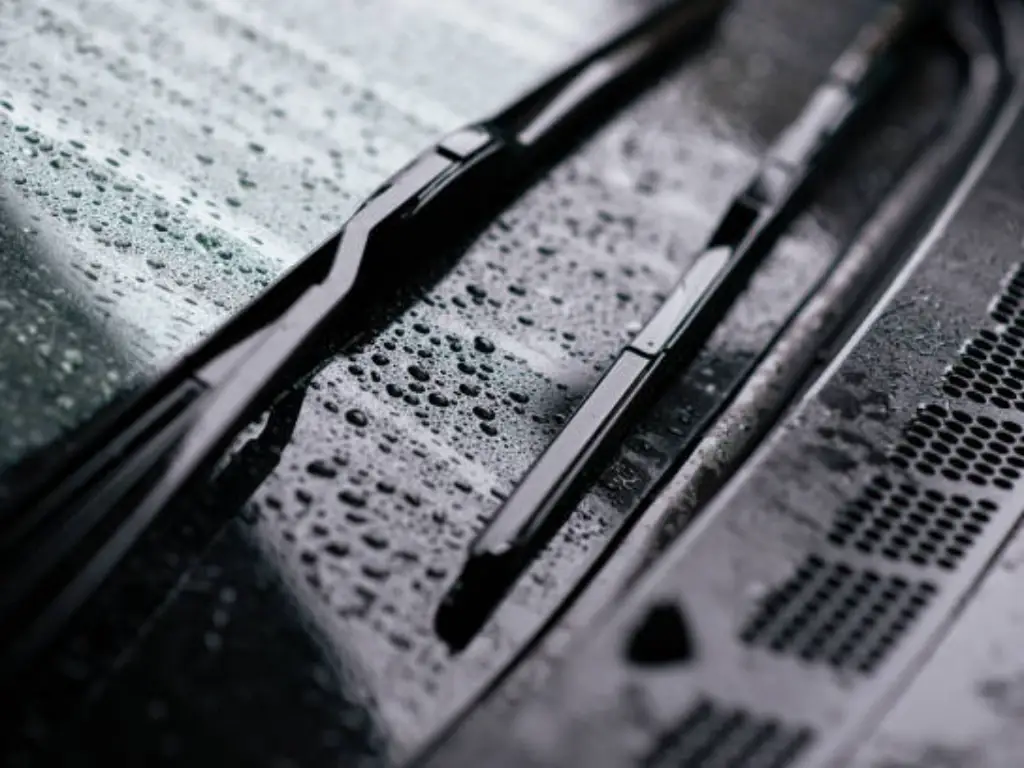
Die langfristige Wettbewerbsfähigkeit der Scheibenwischerindustrie hängt von der Ausrichtung der Produktentwicklung auf die Entwicklung von Elektrofahrzeugen und Fahrerassistenzsystemen ab. R auf Werksebene&D hilft Lieferanten, Unsicherheiten zu reduzieren, Verbessern Sie die Kompatibilität, und schneller auf OEM-bedingte Änderungen reagieren.
Ausrichtung der Produktplanung an EV- und OEM-Roadmap-Zyklen
OEM-Roadmaps legen fest, wann neue Fahrzeugplattformen auf den Markt kommen. Lieferanten, die diese Zyklen verstehen, können EV- und ADAS-kompatible Wischerprodukte im Voraus vorbereiten.
Dies erleichtert den Übergang von der reaktiven Beschaffung zur proaktiven Produktentwicklung, Verbesserung des Markteintrittszeitpunkts und Reduzierung von Kompatibilitätsrisiken bei neuen Fahrzeugmodellen.
Reduzierung des Entwicklungsrisikos durch Probenahme und Validierung
Eine frühzeitige Probenahme und Validierung hilft dabei, potenzielle Probleme vor der Massenproduktion zu erkennen. Durch Testen der Wischstabilität, Sichtbarkeit der Sensorzone, und Materialhaltbarkeit unter realen Bedingungen, Lieferanten können die Redesign-Kosten senken, Verbesserung der Produktzuverlässigkeit, und minimieren Sie das Entwicklungsrisiko sowohl für OEM- als auch für Aftermarket-Programme.
Schnellere Produkteinführungen durch integriertes R&D und Fertigung
Integriertes R&D- und Produktionssysteme verkürzen die Zeit vom Entwurf bis zur Massenproduktion. Dies ist bei schnelllebigen Elektrofahrzeugplattformen, bei denen sich die Anforderungen schnell ändern, von entscheidender Bedeutung.
Durch Kombinieren Entwicklung und Fertigung, Lieferanten können schneller auf OEM-Updates reagieren und eine gleichbleibende Produktqualität auf allen globalen Märkten aufrechterhalten.
Häufig gestellte Fragen
Werden Elektrofahrzeuge die Nachfrage nach Wischerblättern für den Ersatzteilmarkt verringern??
NEIN, Elektrofahrzeuge erhöhen tatsächlich die Nachfrage nach Wischerblättern für den Ersatzteilmarkt. Elektrofahrzeuge und mit ADAS ausgestattete Autos sind stark auf eine klare Sensorsicht angewiesen und erfordern eine Prämie, Hochleistungs-Beam Blades zur Bewältigung von Kabinengeräuschen und Luftwiderstand. Dies erhöht sowohl den Wiederbeschaffungswert als auch die Kontinuität der Marktnachfrage.
Warum fortschrittliche Fahrerassistenzsysteme? (Adas) erfordern spezielle Wischerblätter?
ADAS ist auf an der Windschutzscheibe montierte Kameras und Sensoren angewiesen, um sicher zu funktionieren. Wenn Standardwischer Streifen hinterlassen, Flecken, oder Wasserfilme im Sichtfeld der Kamera, Sicherheitsfunktionen wie Spurhaltung oder automatische Notbremsung können beeinträchtigt werden oder ganz ausfallen. Hochwertige Strahllamellen sorgen für einen stets klaren optischen Pfad für diese Sensoren.
Wie oft sollten Besitzer von Elektrofahrzeugen ihre Wischerblätter austauschen??
Besitzer von Elektrofahrzeugen sollten die Wischerblätter jedes Mal austauschen 6 Zu 12 Monate, Verfolgung des gleichen Zeitplans wie herkömmliche Fahrzeuge. Denn in leisen Kabinen von Elektrofahrzeugen ist das Quietschen der Scheibenwischer spürbar lauter und ADAS-Kameras erfordern perfekte Sicht, Fahrer tauschen die Messer häufig aus, sobald sie Schlieren oder Klappern bemerken, anstatt die Wartung aufzuschieben.
Wie sollten sich Autoteilehändler an die Nachfrage nach Scheibenwischern für Elektrofahrzeuge anpassen??
Händler müssen ihren Produktmix auf Premium-Träger- und Hybridblätter umstellen, sie herstellen 60 Zu 80 Prozent ihres Lagerbestands. Sie sollten sich auf die Ausstattung neuer Elektrofahrzeuge konzentrieren, Strahllamellen mit mehreren Adaptern, und Produkte, die Wert auf geringe Geräuschentwicklung und ADAS-Kompatibilität legen, um den höheren Leistungsstandards von Elektrofahrzeugfahrern gerecht zu werden.
Letzte Gedanken
EV- und ADAS-Technologien verändern die Rolle von Scheibenwischerblättern in modernen Fahrzeugen. Es handelt sich nicht mehr nur um einfache Ersatzteile, aber kritische Komponenten, die die Fahrsicherheit unterstützen, Sensorgenauigkeit, und Gesamtsystemleistung. Infolge, Die Nachfrage nach fortschrittlichen Wischerblättern für Elektrofahrzeuge wächst weiter, Erhöhung der Erwartungen an die Produktqualität, Haltbarkeit, und Fahrzeugsystemkompatibilität.
Für Händler und Markeninhaber, Die Anpassung an diesen Wandel ist unerlässlich, um auf dem globalen Automobilmarkt wettbewerbsfähig zu bleiben. Die Wahl von EV-fähigen und ADAS-kompatiblen Lösungen trägt dazu bei, das Beschaffungsrisiko zu reduzieren und die langfristige Produktpositionierung zu verbessern. Um eine stabile Versorgung zu erkunden und OEM/ODM-Unterstützung für Wischersysteme der nächsten Generation, CLIPPER bietet maßgeschneiderte Lösungen für globale B2B-Partner, die ihre Produktstrategie aktualisieren möchten.