China has become one of the most important sourcing hubs for automotive aftermarket products, and wiper blades are no exception. For importers, distributors, wholesalers, and private label brands, buying wiper blades from China can offer strong price advantages, broad product variety, and scalable production capacity. But successful importing is not only about finding a cheap supplier. It also requires clear product specifications, supplier screening, shipping planning, and smooth customs preparation.
This guide walks you through the full process of importing wiper blades from China step by step, from selecting the right product type to checking your first shipment and planning repeat orders.
Why It Makes Sense to Import Wiper Blades From China
Importing wiper blades from China makes sense for many buyers because the country offers a mature automotive parts supply chain, competitive pricing, and flexible manufacturing options. Whether you sell cuchillas de limpiaparabrisas convencionales, cuchillas de limpiaparabrisas, hybrid designs, or rear wipers, you can usually find multiple factories able to produce them at scale.
Another major benefit is product customization. Many China wiper blade manufacturers offer OEM and private label services, including branded packaging, customized adapters, impresión del logotipo, and different rubber formulas. This helps importers build their own market identity instead of simply reselling generic products.
China also offers strong production flexibility. You can often start with lower trial quantities, compare different quality levels, and then scale up once you confirm market demand. For growing brands and regional distributors, this creates a practical path to test products without committing to oversized inventory too early.
Paso 1 – Decide What Wiper Blades You Need (Tipos, Calidad, Presupuesto)
Before contacting fabricante de escobillas limpiaparabrisas, define exactly what kind of wiper blades you want to import. This step helps you avoid confusion later and makes supplier communication much more efficient.
Start with the product type. Common options include:
- Escobillas de limpiaparabrisas convencionales, usually lower cost and widely used in older vehicle models.
- Cuchillas de limpiaparabrisas, popular for modern cars because of their sleek design and better windshield contact.
- Escobillas de limpiaparabrisas híbridas, which combine features of conventional and beam styles.
- Escobillas de limpiaparabrisas trasero for hatchbacks, SUV, and specific vehicle applications.
Then think about your target market. If you supply budget auto parts stores, your focus may be on low to mid-range products with simple packaging. If you sell to premium retailers or operate your own brand, you may want better rubber material, stronger steel support, cleaner packaging, and more reliable adapters.
It is also important to define your quality expectations early. Ask yourself:
- What rubber material do you need, such as natural rubber or silicone-coated rubber?
- Do you need all-season performance?
- Should the blade meet salt spray, UV resistance, or temperature durability standards?
- Do you need universal adapters or vehicle-specific fitment?
Finalmente, set a realistic budget. Cheap unit prices may look attractive, but total cost includes packaging, mold fees, testing, freight, import duty, and possible replacement claims. A slightly higher factory price may save money if the product performs better and reduces customer complaints.
Paso 2 – Find and Shortlist Wiper Blade Manufacturers in China

In the wiper blade industry, many suppliers present themselves as manufacturers, but not all actually own production lines. That is why shortlisting carefully matters.
When evaluating potential suppliers, look at:
- Years of experience in manufacturing wiper blades.
- Main export markets and whether they already ship to your region.
- Product range, incluyendo haz, convencional, híbrido, y limpiaparabrisas traseros.
- Custom branding capability for packaging and logo printing.
- Factory audit reports, certificaciones, and production photos.
- Communication speed and willingness to answer technical questions.
Here is a shortlist of Top 10 China windshield blade manufacturers, click here for more information
| Fabricante | Establecido | Ubicación | Productos principales |
|---|---|---|---|
| CLÍPER | 2006 | Cantón / Dongguan | Convencional, Haz, Híbrido & Cuchillas de silicona |
| MET de Xiamen | 2004 | Xiamén, fujián | Suave/Haz, Híbrido & Escobillas de limpiaparabrisas trasero |
| NOVOFLOW | 20+ Años | Ningbó, Zhejiang | OEM/etiqueta privada, Flota & Limpiaparabrisas especiales |
| WINGO | 2008 | China costera | Limpiaparabrisas/deshuesados, Brazos de limpiaparabrisas |
| BAOYI® | 2004 | Xiamén, fujián | Ajuste exacto, Plano/Suave & Limpiaparabrisas traseros |
| TOPEX Autopartes | ~13 años | Xiamén, fujián | Metal, Departamento, Híbrido, Nieve & Limpiaparabrisas traseros |
| MIRADA JOVEN | 2009 | Porcelana (Enfoque global) | Plano avanzado, Híbrido & Limpiaparabrisas |
| Xiamén tan bueno | ~19 años | Xiamén, fujián | Universal, Metal, Limpiaparabrisas híbridos & Filtros |
| Xiong Shun (MOSTRADO) | 1995 | Xiamén / Changtai | Auto, Camión, Autobús & Sistemas de limpiaparabrisas para buques |
| Shengyuan (Escudo de agua) | 2014 | Shénzhen, Guangdong | Recambios de silicona & Productos químicos para el cuidado del vidrio |
It also helps to ask direct questions that reveal whether the supplier is truly experienced. Por ejemplo, ask what adapter systems they offer, which rubber compounds they use, what their standard export carton sizes are, and how they handle mixed-size orders. Factories with real experience usually answer these questions clearly and quickly.
Paso 3 – Request Quotes, Samples and Basic Test Reports
After shortlisting windshield blade suppliers, ask each one for a formal quotation. Your RFQ should be specific so that prices are comparable. Include blade type, size range, material expectations, packaging details, quantity, branding needs, and target shipping term.
A strong quotation request should ask for:
- Unit price by quantity tier.
- Mold or tooling cost if any.
- Sample cost and lead time.
- Production lead time for bulk orders.
- MOQ for standard and customized products.
- Packaging options and carton dimensions.
- Available trade terms such as FOB, CIF, SALTO, and DDP.
Do not rely on quotations alone. Always request samples before placing a first order.
When reviewing samples, check:
- Rubber edge quality and uniformity.
- Blade flexibility and frame structure.
- Adapter fit and locking mechanism.
- Packaging print quality.
- Wiping performance on glass.
- Ruido, streaking, and chatter during use.
You should also ask for basic test reports where available. These may include salt spray testing, UV resistance, temperature performance, life cycle testing, or basic durability data. Even if the test standards are internal, they still help you compare suppliers more objectively.
Paso 4 – Choose Shipping Terms (ENGAÑAR, CIF, SALTO, DDP) for Your Order
Shipping terms affect your total landed cost, risk exposure, and operational workload. Many first-time importers focus only on unit price and overlook this step, which can lead to unexpected charges later.
Here is a simple overview of common terms:
- FOB means the supplier delivers the goods to the port in China and handles export clearance. From that point, you arrange ocean or air freight, insurance if needed, and import clearance.
- CIF means the supplier includes cost, insurance, and freight to your destination port, but you still handle customs clearance and local delivery after arrival.
- DAP means the goods are delivered to the named destination, but import duties and taxes are usually paid by the buyer.
- DDP means the seller handles nearly everything, including shipping, customs procedures, and duties, subject to the destination country’s rules and the exact contract terms.
Read More: ENGAÑAR, CIF, SALTO, DDP para limpiaparabrisas y autopartes: ¿Qué plazo de envío debería elegir??
For experienced importers, FOB often gives better control and clearer cost breakdowns. If you already work with a freight forwarder, FOB is usually efficient. For smaller buyers who want simplicity, DAP or DDP may look easier, but they can sometimes hide extra margin in the logistics charges.
The best option depends on your internal capability. If you know customs and freight well, choose the term that gives you cost visibility. If you are new to importing, ask both the supplier and an independent freight forwarder for landed-cost comparisons before deciding.
Paso 5 – Plan Packing, Cartons and Shipping Mode for Wiper Blades
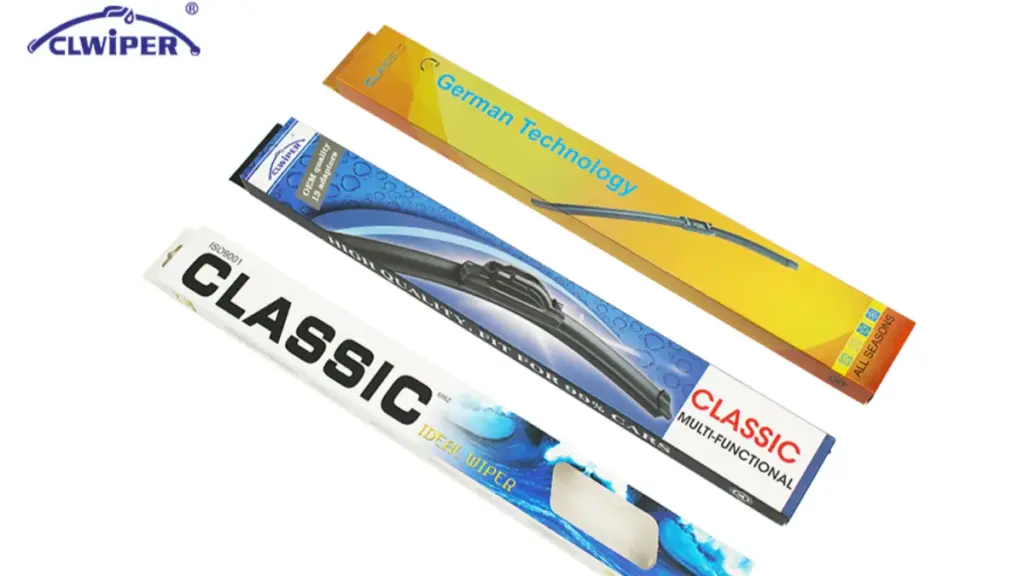
Packing is a bigger issue than many importers expect. Wiper blades are light but relatively long, which means carton dimensions can significantly affect freight cost, especially for air shipping and courier shipments based on volumetric weight.
You should confirm:
- Inner packaging type, such as color box, blister pack, or plain box.
- Number of pieces per export carton.
- Carton dimensions and gross weight.
- Palletization requirements if needed.
- Labeling rules for SKU, barcode, country of origin, or customer brand.
Good packaging protects the blades, improves shelf presentation, and lowers the risk of damage during transport. It also matters for warehouse efficiency after arrival.
Then choose the shipping mode based on urgency, order size, and budget:
- Express courier is suitable for samples or urgent small shipments.
- Air freight works for medium-volume urgent orders, but costs more.
- Sea freight is usually the most economical option for large orders.
- Rail or combined modes may work in certain trade lanes, depending on destination.
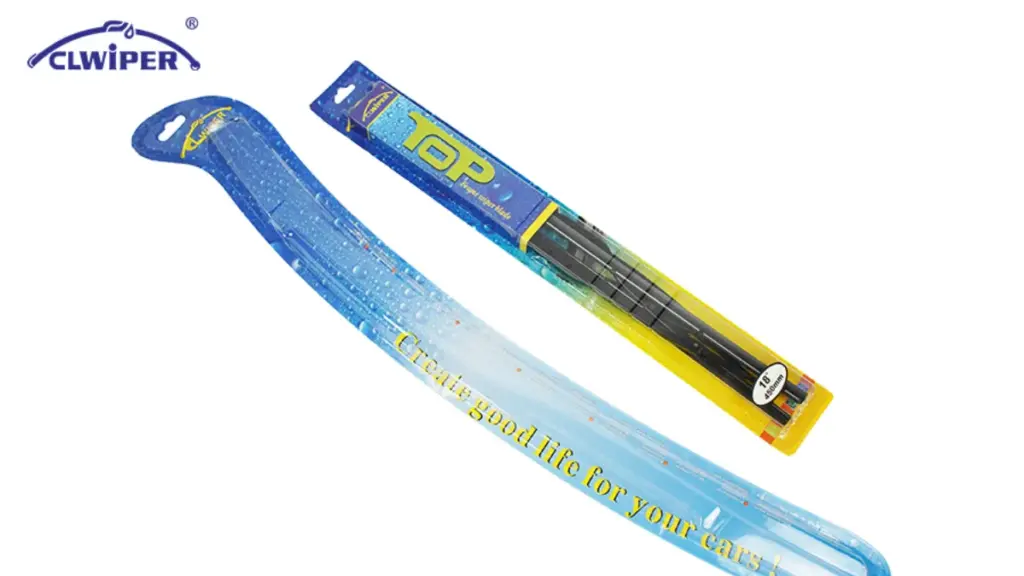
For most regular wholesale orders, sea freight is the standard choice. If you are importing mixed SKUs for retail distribution, ask the supplier to optimize carton size to reduce wasted shipping space. A well-planned carton can improve freight efficiency more than a small discount on unit price.
Paso 6 – Prepare Documents and Clear Customs Smoothly
Smooth customs clearance depends on correct documentation. Missing or inconsistent paperwork can delay delivery, increase storage charges, or create compliance risks.
Typical import documents include:
- Commercial invoice.
- Packing list.
- Bill of lading or air waybill.
- Certificate of origin if required.
- Insurance document when applicable.
- Product test reports or compliance files if requested by customs or the buyer’s market.
Make sure the product description is consistent across all documents. The quantity, carton count, gross weight, net weight, and declared value should also match. Even small inconsistencies can trigger questions at customs.
It is also wise to confirm the correct HS code for wiper blades with your customs broker before shipment. Classification affects duty rates and regulatory treatment. Do not assume the supplier’s code is always correct for your destination market.
If you sell into regulated markets, check whether the wiper blades or packaging must meet any labeling, seguridad, or environmental requirements. Customs clearance becomes much easier when compliance is reviewed before the goods leave China.
Paso 7 – Check the First Shipment and Decide Your Next Step
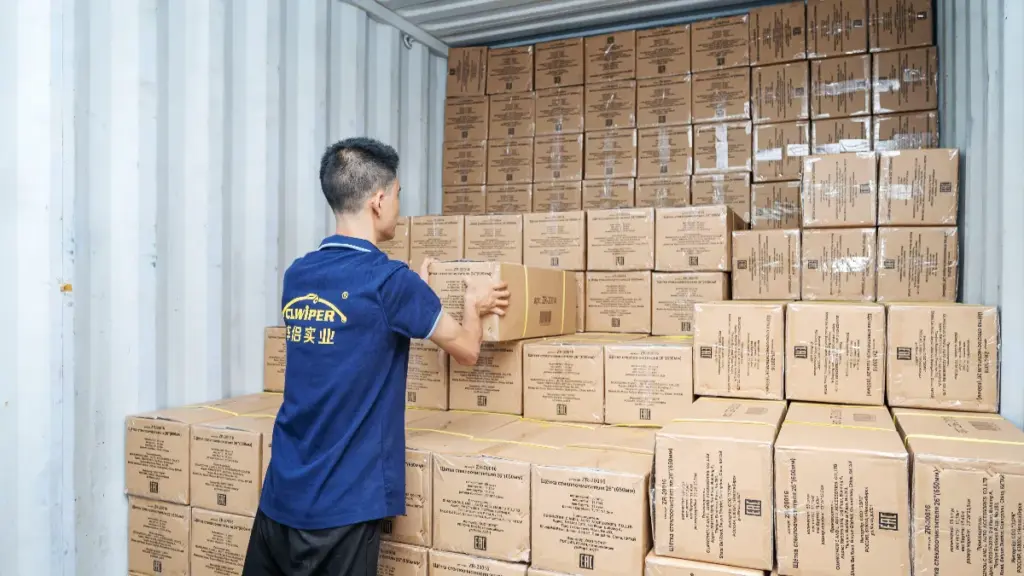
Your first order should be treated as a test shipment, even if the supplier appears professional. Once the goods arrive, inspect them carefully before making long-term purchasing decisions.
Focus on:
- Outer carton condition on arrival.
- Quantity accuracy by SKU and size.
- Packaging consistency and branding quality.
- Product appearance and adapter completeness.
- Actual wiping performance from random sample checks.
- Any defect rate or customer complaint risk.
This first shipment gives you real data on supplier reliability. A supplier that looked excellent during quotation may still fail in packaging consistency, production control, or delivery timing. Por otro lado, a supplier with slightly higher pricing may prove far more dependable over time.
After reviewing the shipment, decide what to do next:
- Place a repeat order with the same specifications.
- Ask for improvements in rubber quality, embalaje, or labeling.
- Negotiate better pricing based on confirmed volume.
- Expand into more blade sizes or related auto accessories.
- Replace the supplier if serious issues appear.
A good import program improves with each order. The goal is not only to buy once, but to build a stable supply chain with predictable quality and cost.
Preguntas frecuentes
Is it better to buy wiper blades from a factory or a trading company?
Buying from a factory can offer better pricing and more direct control over technical details. A trading company, sin embargo, may provide easier communication, mixed sourcing options, and lower coordination effort. The best choice depends on your order volume, product complexity, and sourcing experience.
What is the usual MOQ for wiper blades from China?
MOQ varies by supplier and product type. Standard unbranded models may have relatively low MOQs, while customized packaging, printed logos, or unique adapters usually require higher quantities.
How can I check wiper blade quality before bulk ordering?
Request samples, basic test reports, and detailed product specifications. If your order value is significant, you can also hire a third-party inspection company in China to check the goods before shipment.
Which shipping term is best for first-time importers?
Many first-time buyers prefer DAP or DDP for simplicity, but FOB can be better if you already have a trusted freight forwarder. The best option is the one that gives you clear cost visibility and manageable risk.
How long does it take to import wiper blades from China?
Lead time depends on whether the goods are standard or customized, as well as the shipping method. Sample approval, producción, and transit all affect the total timeline. Sea freight takes longer but usually costs less than air freight.
Can I create my own wiper blade brand when importing from China?
Sí. Many China wiper blade manufacturers support private labeling, embalaje personalizado, impresión del logotipo, and even exclusive product styling. Be sure to confirm artwork, packaging proof, and brand details before production begins.