Importing wiper blades from China can be highly profitable—but only if you clearly understand your real landed cost. Many first-time importers focus only on unit price and overlook hidden expenses like duties, logistics, and local fees, which can significantly impact margins.
Dalam panduan ini, we’ll break down every cost component involved in importing wiper blades, explain how tariffs work, and show you how to calculate your true cost per unit—so you can price competitively and protect your profit.
What Does Landed Cost Mean for Wiper Blade Imports
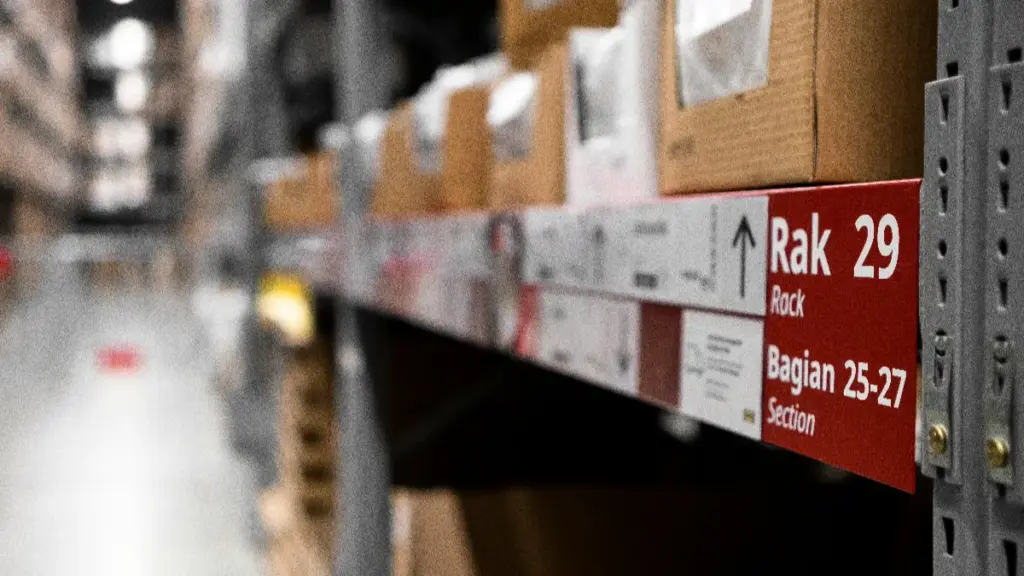
Landed cost refers to the total cost of getting your wiper blades from the factory to your warehouse, ready for sale.
It goes far beyond the FOB price quoted by your supplier. A complete landed cost calculation typically includes:
- Product cost (EXW or FOB price)
- International shipping (sea, udara, or rail)
- Import duties and tariffs
- Customs clearance fees
- Local delivery and handling charges
Misalnya, a buyer sourcing wiper blades pada $0.80 per piece might end up with a real landed cost of $1.10–$1.30 after all additional expenses.
Main Cost Components: Product Price, Freight, Duty and Local Fees
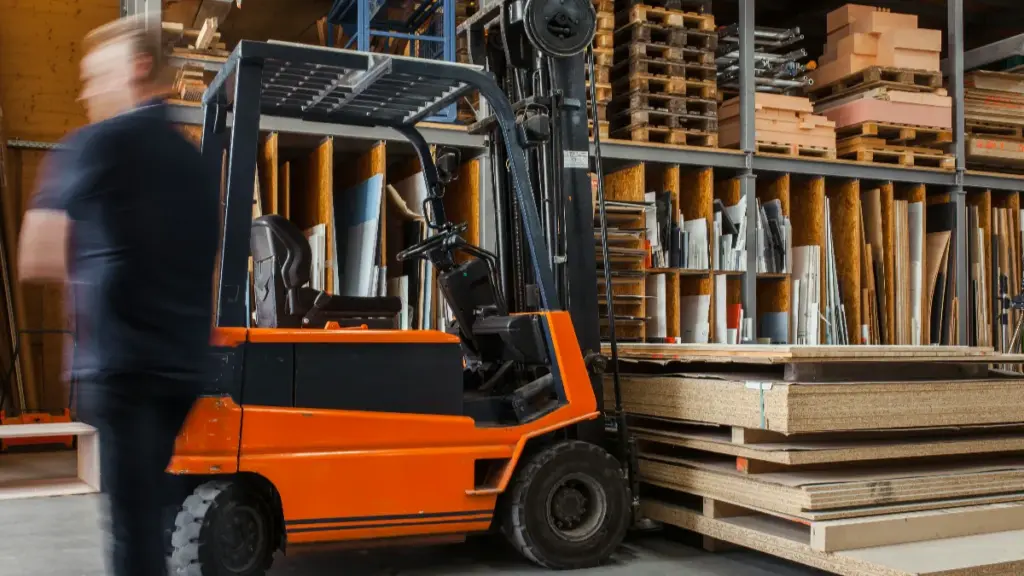
| Cost Component | Keterangan / Key Factors | Contoh Spesifik / Details |
|---|---|---|
| Product Price | The direct cost of the wiper blades from the supplier, often the EXW or FOB price. | $0.38-0.45 per piece for car windshield wipers; $54.81 for a specific linkage assembly. |
| Freight | Cost of transporting goods (international and domestic legs), influenced by volume, weight, and mode. | NMFC density bands like 150-250 class for 3-7 lb items; unit of quantity often per kg under HTS. |
| Duty | Taxes levied by customs on imported goods, calculated as a percentage of declared value, determined by HTS. | HTS 8512.90.9000 (2.5% general rate, often free under FTAs); HTS 8479.90.9595 (duty free for specific arm/blade assemblies). |
| Local Fees | Additional charges incurred upon arrival in the destination country. | Customs clearance, terminal handling, warehousing, local delivery, influenced by Census end-use code 30230, NAICS 336320, SITC 77835. |
To accurately calculate your landed cost, you need to break it into four main parts:
1. Product Cost (FOB or EXW)
This is the base price quoted by your supplier.
Misalnya:
- Standard frame or flat wiper blades
- Rubber refill strips
- Custom OEM-branded products
Pricing varies depending on:
- Quality level (natural rubber vs silicone)
- Structure (konvensional, balok, hibrida)
- Kemasan (bulk, color box, blister pack)
With China wiper blade suppliers like ALAT PEMOTONG, buyers benefit from:
- Competitive factory pricing
- Lower OEM MOQ (around 5000 pcs vs industry 9000+)
- Stable material sourcing (rubber and steel)
2. International Freight
Shipping is often the second-largest cost component.
Typical options include:
Sea Freight (Most Common)
- Best for bulk orders (MISALNYA., 10,000–100,000 pcs)
- Lowest cost per unit
- Transit time: 20–40 days
Air Freight
- Faster but significantly more expensive
- Used for urgent restocking or samples
Key factors affecting freight cost:
- Shipment volume (CBM)
- Weight (gross weight)
- Destination port
- Season (peak vs off-peak)
Because wiper blades are relatively lightweight but bulky, packing efficiency directly impacts shipping cost per unit.
3. Import Duties and Tariffs
Import duty depends on:
- HS code classification
- Destination country
- Trade agreements (if any)
Wiper blades are typically classified under automotive parts categories (often under HS code 8512 or similar, depending on country interpretation).
Duty rates vary significantly:
- Amerika Serikat: ~2.5%–5% (may vary with trade policies)
- UE: ~3%–4.5%
- Asia Tenggara: can be lower under trade agreements
- Timur Tengah: sering 5% standard import duty
Even a small difference in tariff rate can affect your margin at scale.
4. Local Fees and Last-Mile Costs
Many importers underestimate these “hidden” costs:
- Customs clearance fees
- Port handling charges
- Terminal fees
- Truck delivery to warehouse
- Import VAT or GST (depending on country)
In some cases, these can add 10%–30% on top of freight + tugas.
How HS Codes and Tariff Rates Affect Your Wiper Duty
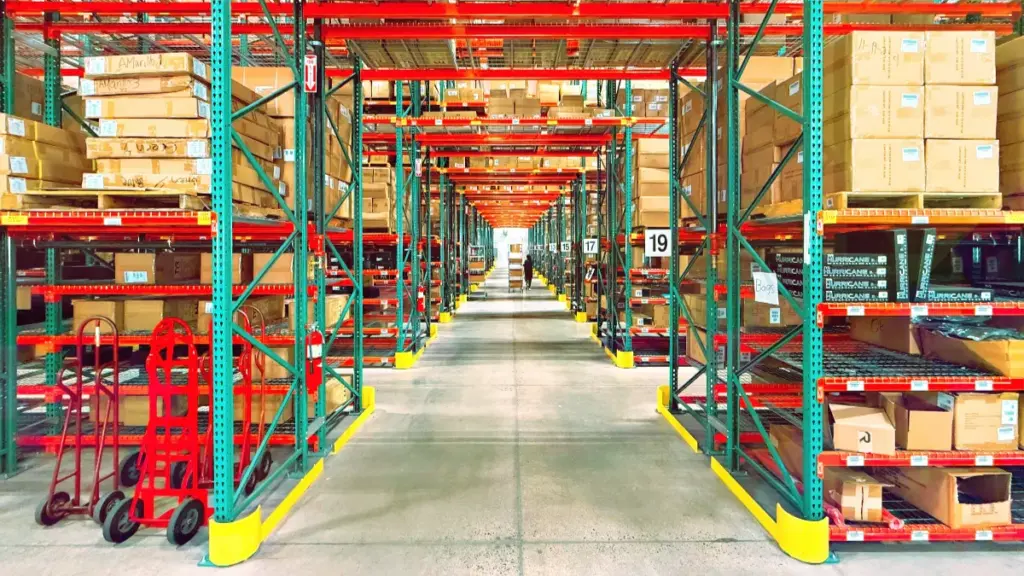
HS codes precisely define your wiper product for customs, determining its base duty rate. This rate can then be altered by origin-based free trade agreements, material composition, or additional tariffs like Section 301 duties, significantly changing the overall landed cost.
Complete windscreen wipers are globally classified under HS heading 8512.40, with the U.S. extending this to HTS 8512.40.40.
Windshield wiper parts can fall under HTSUS 8512.90.90.00, typically carrying a 2.5% ad valorem general duty rate in the U.S.
Rubber wiper blades (isi ulang) might be classified under HS 4016.99.5050 as ‘articles of vulcanized rubber’ with a higher 5.3% duty rate, depending on their material composition and whether they are imported separately.
Preferential duty can be ‘Free’ for HS 8512.40 / 8512.40.40 Dan 8512.90.90.00 if qualifying origin under Free Trade Agreements (FTAs) like USMCA, AU, or KR.
Beyond Base Rates: Layered Tariffs and Regional Adjustments
U.S. duties can include additional measures like Section 301 tariffs (MISALNYA., Bab 99, HTS 9903.88.03), potentially adding +25% to the base rate for China-origin components.
If a base duty is 2.5% and an additional 25% applies, the total border tax impact can be approximately 27.5% of the customs value.
Regional changes are significant: GCC countries are moving to 12-digit codes for 8512.40 (MISALNYA., 8512.40.xx.xxxx) from Jan 1, 2025, to distinguish between motors, arms, and blades.
EU CN / TARIC systems may also refine subheadings within 8512.40 di dalam 2025, potentially affecting duty rate bands.
Correct re-classification, such as to HS 8512.40.40, has been shown to reduce total duties by ~15% in specific case studies.
Utilize official tools like the USITC HTS Search, or commercial platforms like Flexport’s Tariff Simulator and DeepBeez’s HS 2025 data, to model duties across 180+ countries by HS code, origin, and trade agreement.
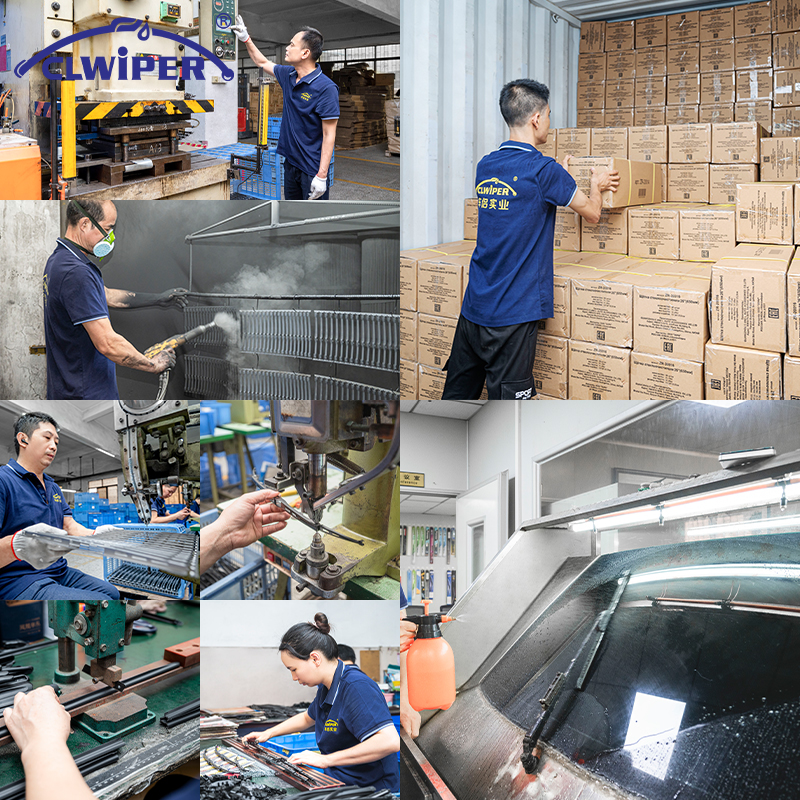
Your Global Partner in Premium Wiper Blade Manufacturing
How Order Size and Packing Density Change Your Unit Cost
One of the most overlooked factors in import cost is how efficiently your order is packed and shipped. Dalam praktiknya, many buyers focus heavily on FOB price, but experienced importers know that logistics efficiency often makes the real difference in profitability, especially over repeated orders.
1. Order Size (Economies of Scale)
Larger orders reduce:
- Unit product cost
- Freight cost per piece
- Handling cost per unit
Example:
| Order Quantity | Freight Cost per Unit |
|---|---|
| 2,000 buah | Tinggi |
| 10,000 buah | Sedang |
| 50,000 buah | Rendah |
2. Packing Method
Packaging affects both:
- Shipping volume (CBM)
- Storage and logistics efficiency
Common packaging types:
- Standard factory box (cost-efficient)
- OEM color box (higher volume)
- Blister packaging (premium display, higher shipping cost)
Optimizing packaging can reduce total logistics cost by 10%–20%.
3. Container Utilization
Maximizing container space is key:
- 20GP vs 40HQ container decisions
- Mixed SKU loading strategies
- Carton size optimization
An experienced supplier can help you:
- Plan loading layouts
- Combine SKUs efficiently
- Avoid “shipping air”
Common Cost Surprises New Wiper Importers Should Watch For
New wiper importers frequently encounter unexpected costs due to CIF vs. FOB valuation discrepancies, hidden freight surcharges like demurrage, and complex tariff structures. Misclassification of HTS codes for wiper components or unforeseen trade duties (MISALNYA., anti-dumping, Section 301) can inflate final landed costs by 10-25% or more, requiring diligent pre-shipment auditing.
Hidden Valuation & Logistics Add-ons
CIF vs FOB valuation discrepancies can inflate landed costs by 10-20% on average for containerized shipments.
Underestimated freight consolidation costs, palletization fees, and port demurrage charges (MISALNYA., for large shipments like 1870 CTN of blades).
Supply chain opacity amplifies surprises, especially from high-volume origins like China and Vietnam.
Unforeseen Tariffs & HTS Classification Errors
Unexpected anti-dumping duties on Chinese origins or Section 301 tariffs (hingga 25% on auto parts).
Fragmented cost modeling due to multiple HTS codes for different wiper components (MISALNYA., 8512.90.9000 for parts, 851240 for blades, 8501.10 for motors).
Need to audit mass balance from manufacturing against shipment quantities to avoid overage penalties and misdeclarations.
Pikiran Terakhir
Accurately calculating the landed cost of wiper blade imports is not merely a financial exercise; it’s the bedrock of sustainable profitability and competitive pricing. From the initial product price to the intricate web of international freight, customs duties influenced by HS codes, and a multitude of local fees, each component significantly impacts the final per-unit cost. Ignoring any of these elements, or failing to account for factors like order volume and packing density, can lead to substantial profit erosion and market missteps.
Therefore, success in the dynamic global market for wiper blades hinges on a proactive and detailed approach to cost modeling. Importers must leverage sophisticated tools, stay updated on tariff changes, and conduct thorough due diligence to avoid common surprises like HTS misclassification or unforeseen tariffs. By meticulously planning and understanding every variable, businesses can transform potential cost pitfalls into strategic advantages, ensuring their wiper blade import operations remain both resilient and highly profitable.
Pertanyaan yang Sering Diajukan
How are import duties calculated for wiper blades?
Import duties are typically calculated based on the CIF value (Biaya + Insurance + Freight), not just the product price. The duty rate is then applied according to the HS code classification. Dalam kebanyakan kasus, you’ll also need to pay VAT or GST on top of the duty, which is calculated on the total of product value, freight, and duty combined.
What HS code is used for wiper blade imports?
Wiper blades are commonly classified under HS Code 8512 atau 8512.90, depending on whether they are complete units or parts. Namun, classification may vary slightly by country, so it’s always recommended to confirm with your customs broker before shipping to avoid delays or incorrect duty charges.
3. What is the typical import duty for wiper blades?
Import duty varies by country and trade policy. Typical ranges include:
- Amerika Serikat: around 2.5%
- Uni Eropa: typically 3%–4.5%
- Timur Tengah: often around 5%
- Australia (under trade agreements): can be 0%
Keep in mind that some countries may apply additional tariffs depending on product origin or trade policies, so it’s always best to confirm the latest rates before placing an order.
4. What other costs should I expect besides import duty?
Besides import duty, there are several additional costs that importers need to consider when calculating total landed cost:
- VAT / GST: Applied in many countries based on CIF value plus duty
- Customs clearance fees: Charges for processing import documentation
- Port handling and terminal charges: Including unloading, storage, and handling at port
- Inland transportation: Delivery from port to your warehouse
- Brokerage fees: Paid to customs brokers or freight agents
These additional costs can significantly impact your final landed cost and are often underestimated by new importers, especially during their first few shipments.
Is DDP shipping better for new importers?
For beginners, DDP (Delivered Duty Paid) is often the easiest option because the pemasok bilah penghapus handles shipping, customs clearance, and duties. Namun, this convenience usually comes at a higher overall cost compared to FOB or CIF terms. More experienced importers often switch to FOB once they have a stable logistics partner.
6. How can I reduce my total landed cost?
There are several proven ways to reduce your total landed cost when importing wiper blades:
- Increase order quantity: Spread fixed shipping and handling costs across more units
- Optimize packaging: Reduce shipping volume (CBM) to lower freight cost
- Choose the right Incoterms: Compare FOB, CIF, and DDP to find the most cost-effective option
- Work with experienced suppliers: Benefit from better logistics planning and export support
Even small improvements in order planning and logistics efficiency can reduce your total cost by 10% or more over time, especially for repeat shipments.