When you import wiper blades and auto parts from China, the shipping term you choose will affect far more than freight cost. It shapes your total landed cost, your risk exposure, your customs workload, and how smoothly the order moves from factory to warehouse.
For buyers in the wiper blade business, this matters even more because margins are often tight, replenishment cycles move fast, and a shipping mistake can easily wipe out the advantage of a good factory price. If you understand FOB, CIF, SALTO, and DDP clearly, you can buy with more confidence and avoid the common problems that slow down first orders and repeat containers.
Why Shipping Terms Matter So Much When You Import Wiper Blades
Wiper blades are a high frequency replacement product, but they are also a category where packaging, carton volume, shipping method, and customs handling can change the real cost of an order in a very practical way. A quote that looks cheaper at first glance may no longer be cheaper after port charges, customs brokerage, deberes, local delivery, and timing risks are added in.
This is why experienced importers do not compare factory prices alone. They compare responsibility, risk transfer, hidden charges, and how much control they want over the shipment. In daily business, the right term is often the one that matches your team’s importing ability, not simply the one with the lowest quoted number.
Para wiper blade orders, buyers also need to think about product mix. A test order of universal beam blades for an online store is very different from a full container of OEM packed flat blades for a distributor. The shipping term that works well for one may create unnecessary friction for the other.
Quick Overview of FOB, CIF, DAP and DDP in Simple Language
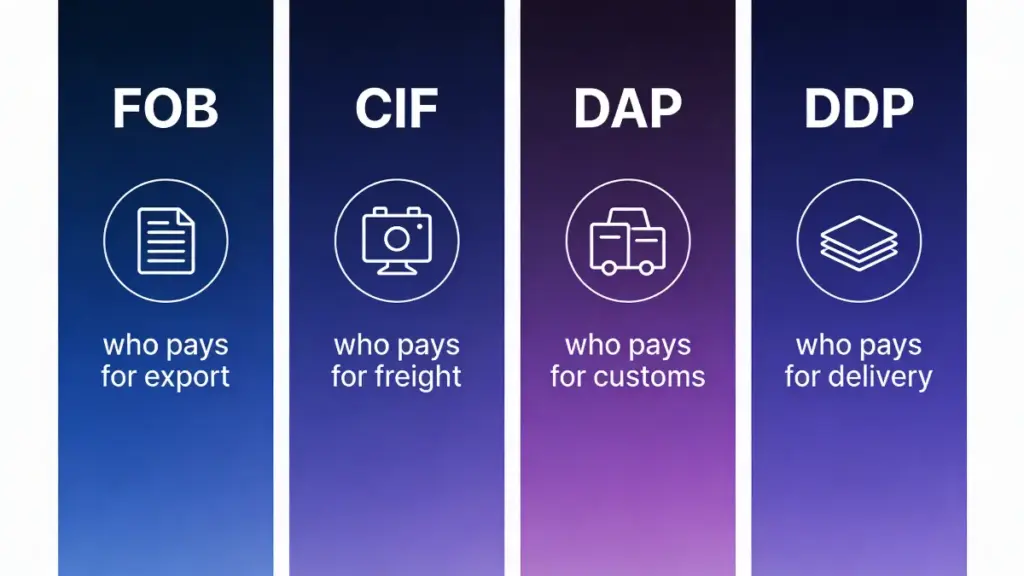
Here is the simplest way to understand the four terms.
ENGAÑAR means the seller handles the goods until they are loaded on board at the export port. From that point, the buyer takes the risk and handles the main transport and the rest of the journey.
CIF means the seller also pays the ocean freight and minimum insurance to the destination port, but the risk still transfers when the goods are loaded on board at origin. This is one of the points many buyers misunderstand because paying for freight is not the same as carrying the risk during transit.
SALTO means the seller arranges transport to the named destination, usually the buyer’s warehouse or another agreed place, while the buyer handles import customs clearance, deberes, taxes, and unloading.
DDP means the seller takes on the broadest set of responsibilities, including transport, import clearance, deberes, and taxes, and delivers the goods to the named destination ready for unloading.
If you look at them as a progression, FOB gives the buyer more control, CIF adds convenience on ocean freight, DAP offers near door delivery without import tax handling, and DDP gives the buyer the simplest buying experience on paper.
Who Pays Which Costs Under Each Term (From Factory to Your Warehouse)
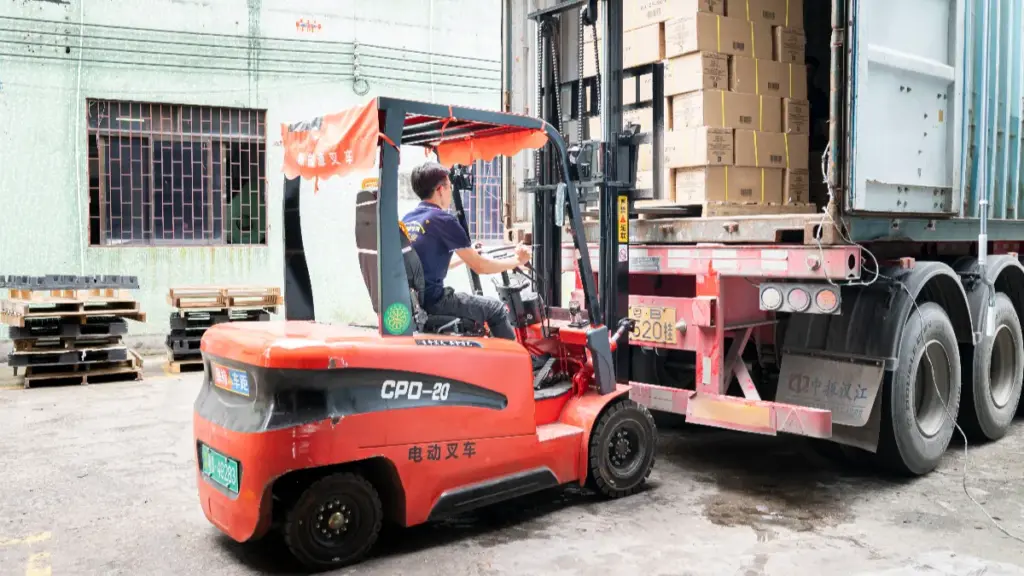
A shipment of wiper blades usually includes these cost points: factory pickup, export documents, export customs clearance, origin charges, ocean or air freight, insurance, destination port charges, import clearance, duties and taxes, and final delivery. Incoterms are designed to define who manages and pays these parts of the journey.
The practical breakdown looks like this:
| Cost or Responsibility | ENGAÑAR | CIF | SALTO | DDP |
|---|---|---|---|---|
| Export packing and preparation | Seller | Seller | Seller | Seller |
| Export customs clearance | Seller | Seller | Seller | Seller |
| Main international freight | Buyer | Seller | Seller | Seller |
| Cargo insurance | Buyer unless agreed otherwise | Seller at minimum level | Usually seller if arranged in the transport package (confirm in quotation) | Usually seller as part of full delivery arrangement (confirm in quotation) |
| Destination port or arrival handling | Buyer | Buyer | Seller up to named place (according to quotation scope) | Seller |
| Import customs clearance | Buyer | Buyer | Buyer | Seller |
| Duties and taxes | Buyer | Buyer | Buyer | Seller |
| Final delivery to buyer warehouse | Buyer | Buyer | Seller | Seller |
The key point is that CIF does not mean delivered to your warehouse, and DAP does not mean duty paid. Many disputes start because buyers and sellers use the same three letter term but imagine different service scopes around local charges and delivery points.
For that reason, every wiper blade order should state not only the Incoterm, but also the named place. Por ejemplo, FOB Guangzhou, CIF Hamburg, DAP Sydney Warehouse, or DDP Los Angeles Warehouse. Without the named place, the term is incomplete in practice.
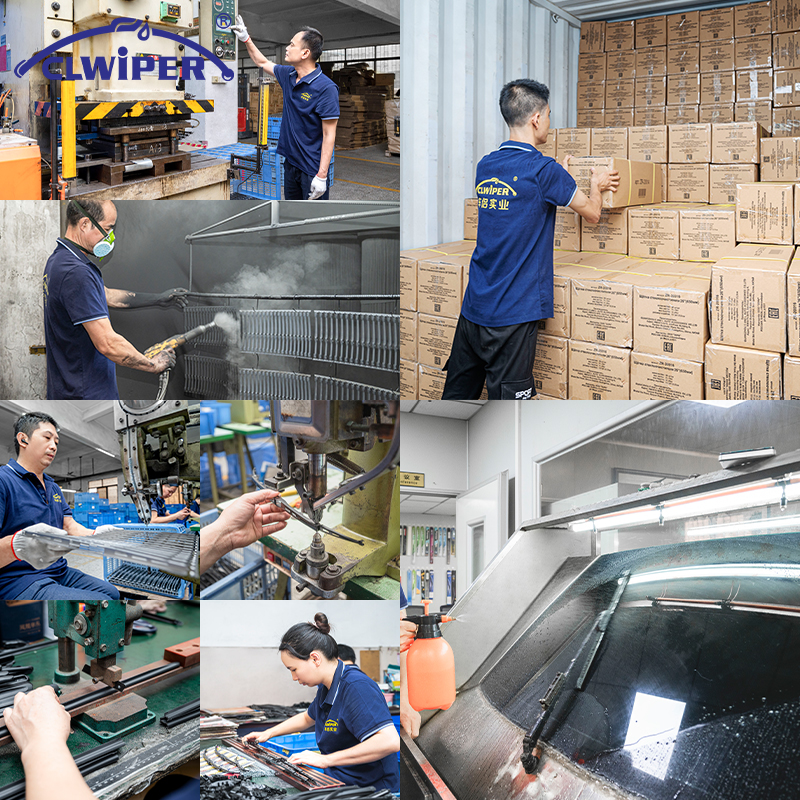
Elevate Your Brand: Precision Wiper Blade Manufacturing
Pros and Cons of FOB, CIF, DAP and DDP for Wiper Blade Shipments
Choosing the right Incoterm significantly impacts an importer’s costs, risks, and operational control. FOB offers control and potential savings for experienced buyers, CIF simplifies initial freight but has hidden risks, while DAP and DDP shift more responsibility to the seller at varying cost premiums, with DDP being the most hands-off but potentially least transparent option.
| Incoterm | Buyer’s Perspective (Control & Convenience) | Costo & Risk Transfer |
|---|---|---|
| ENGAÑAR (Free On Board) | Offers maximum control over main carriage freight costs, enabling direct negotiation for bulk shipments; requires buyer’s logistical expertise post-loading. | Can be cheaper than CIF by avoiding seller’s markups. Risk transfers to buyer once goods are on board at the export port. Buyer controls main logistics. |
| CIF (Costo, Insurance & Freight) | Seller handles main freight and insurance to destination port, simplifying initial process. Risk transfers at origin, potential seller markups. Unsuitable for non-sea transport modes. | Risk transfers to buyer once goods are on board at the export port. May be more expensive due to seller’s markups on freight/insurance. |
| SALTO (Delivered At Place) | Seller delivers to buyer’s destination, managing transport risks. Buyer is responsible for import clearance, deberes, taxes, VAT, and unloading. Offers a middle ground in convenience. | Seller retains transport risk until delivery at buyer’s destination. Buyer pays import duties/taxes. Can be up to 25% cheaper than DDP. |
| DDP (Delivered Duty Paid) | Most convenient for buyer; seller covers all costs and risks to final destination, including import duties and taxes. Suitable for novices but often significantly higher in total cost and reduces transparency. | Seller covers all costs and risks, including import duties/taxes. Seller retains transport risk until final destination. Can be up to 25% higher than DAP. Riskiest for sellers unfamiliar with destination import procedures. |
ENGAÑAR
FOB is popular with experienced distributors and importers because it gives them control over the freight forwarder, shipping schedule, and destination handling. It also makes cost comparison more transparent, especially when buyers already have strong freight partners in their own market.
The downside is that FOB requires the buyer to manage more steps. If you do not know your local import process well, FOB can create delays, storage charges, or confusion at destination.
CIF
CIF is often chosen by buyers who want the supplier to arrange ocean freight to the destination port while still keeping the structure familiar. It can save time during negotiation because one more transport element is already built into the seller’s quote.
The weakness of CIF is that many buyers assume the seller still carries transit risk after shipment, which is not correct. Risk transfers at origin, and destination charges are still usually for the buyer, so CIF is simpler than FOB only in a limited part of the journey.
SALTO
DAP works well for buyers who want near door delivery but prefer to handle customs entry and tax payment themselves. It is often a practical middle ground because the seller manages most of the transport chain while the buyer keeps control over import compliance in the destination country.
Its main advantage is operational convenience without pushing the supplier into tax and import registration issues. Its main limitation is that the buyer still needs a customs broker or import setup on arrival.
DDP
DDP is attractive for buyers who want a landed price and a simple purchasing process. For new importers, e commerce sellers, and buyers testing a market, DDP can reduce the mental load and make budgeting easier at the quotation stage.
Sin embargo, DDP is not always the safest or cheapest option in the long run. The seller carries maximum responsibility, but DDP can hide cost structure, add service premiums, and create compliance complications if the supplier does not fully control import clearance in the destination country.
Which Shipping Terms Fit Small Test Orders vs Regular Containers
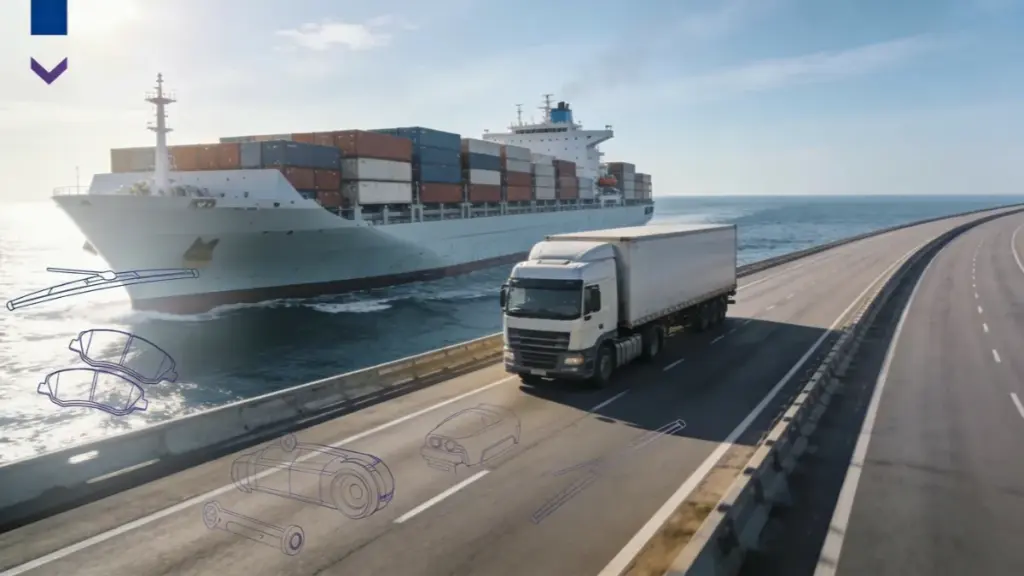
Small test orders often rely on CIF/CIP, SALTO, or DDP for door-to-door convenience via express or LCL, while regular FCL shipments commonly use FOB or CIF, balancing importer control over freight with seller-managed logistics.
Distinct Logistics for Small Test Orders vs. Full Containers
Small test orders are typically handled as parcel, LCL (Less-than-Container-Load), LTL, courier/express, or air freight, rather than full containers.
Physical limits for small parcels often define them as ≤150 lb (68 kg) per package, with best practice limiting average loads to ~30 lb per box for protection.
Regular container orders move as FCL (Full Container Load), where a single importer uses an entire 20- or 40-ft container.
LCL shipments divide customs examination and related charges proportionally among multiple shippers, while FCL bears the entire cost by the single consignee.
Applying Incoterms for Optimal Control and Cost by Shipment Type
For very small trial lots or test orders (parcel, LCL, air freight), importers typically use CIF (or CIP by air), SALTO, or DDP for simplified door-to-door pricing and seller-managed logistics.
For regular FCL ocean freight, FOB and CIF are widely applied, defining where ocean freight costs and marine insurance responsibilities lie, and where risk transfers (at loading on board vessel).
Choosing FOB for FCL allows the importer to negotiate their own sea freight and insurance, offering more control, whereas CIF lets the seller arrange these legs.
DAP/DDP can be attractive for container-level orders when supply chain managers desire a single landed-cost figure, shifting almost all operational risk and complexity to the seller.
How to Choose the Right Shipping Term for Your Next Wiper Shipment
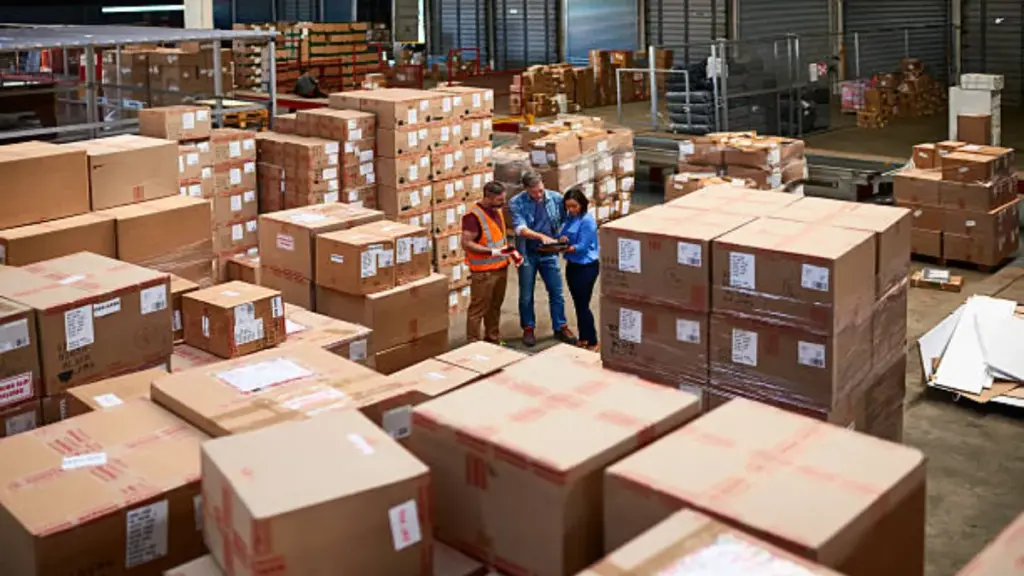
Choosing the right shipping term for limpiaparabrisas depends on your import experience, desired level of control, and risk tolerance. First-time buyers often prefer DDP for maximum convenience, while experienced importers may opt for FOB to gain cost control over freight and insurance, potentially saving 10-20% on logistics markups.
| Incoterm | Seller Responsibilities | Buyer Responsibilities & Risk | Suitability for Wiper Shipments |
|---|---|---|---|
| ENGAÑAR (Free On Board) | Responsible until goods loaded on board at export port. | Handles ocean freight, insurance, and import clearance. Risk transfers once goods are loaded at export port. | Ideal for experienced importers of large-volume wiper shipments seeking cost savings (10-20%) and control over freight rates. |
| CIF (Costo, Insurance, and Freight) | Pays for cost, insurance, and freight to the import port. | Assumes risk once goods are loaded on board at the export port. Manages import customs. | Balances simplicity with seller-handled freight/insurance to port. Less ideal for beginners without established logistics networks. |
| SALTO (Delivered At Place) | Bears risk and cost for transport to the named destination. | Handles import duties, taxes, and final unloading at the destination. | Suitable for experienced supply-chain managers who want the seller to manage transport, but are prepared to handle local customs and final delivery steps. |
| DDP (Delivered Duty Paid) | Bears all risk and cost, including import duties and taxes, to the named destination. Highest seller responsibility. | Buyer only handles the final unloading. Most expensive for the buyer due to potential seller markups. | Minimizes risk and hassle for first-time importers of auto parts like wipers, as the seller manages everything until delivery. |
A practical way to choose is to ask five simple questions.
- Is the order a sample run, a mixed carton test order, or a regular container program? Smaller and less frequent orders often benefit from convenience, while repeat container business often benefits from control.
- Do you already have a reliable freight forwarder and customs broker in your country? If yes, FOB or DAP may suit you better.
- Are you making a first test order with limited import experience? If yes, DDP or DAP may reduce risk and save time.
- Do you want the lowest visible unit price, or the clearest landed cost? FOB often helps with freight control, while DDP often helps with budget clarity.
- Are duties, VAT, and import regulations in your country straightforward or difficult? If local import rules are complex, DAP may be safer than DDP unless the seller has a strong local delivery structure.
Preguntas frecuentes
Is FOB the cheapest option for importing wiper blades?
Not always. FOB may give the lowest supplier quote, but your final landed cost depends on freight rates, port fees, customs charges, and local delivery efficiency.
Is CIF safer than FOB?
No necesariamente. Under CIF, the seller pays freight and minimum insurance, but the risk still transfers when the goods are loaded on board at origin.
Is DDP best for first time importers?
In many cases, Sí, because it reduces operational complexity and gives a more complete delivered quote. Aún, it only works well when the supplier can handle destination compliance properly.
What is usually best for regular wholesale wiper blade imports?
For experienced buyers with stable demand and established logistics partners, FOB is often the most efficient long term choice. It offers better freight control and makes cost optimization easier across repeat shipments.
How should I discuss shipping terms with a Chinese wiper manufacturer?
Start by being clear about your own priorities before you talk about terms. Decide whether you care more about lowest visible unit price, predictable landed cost, or keeping control of freight and customs through your own forwarder and broker.