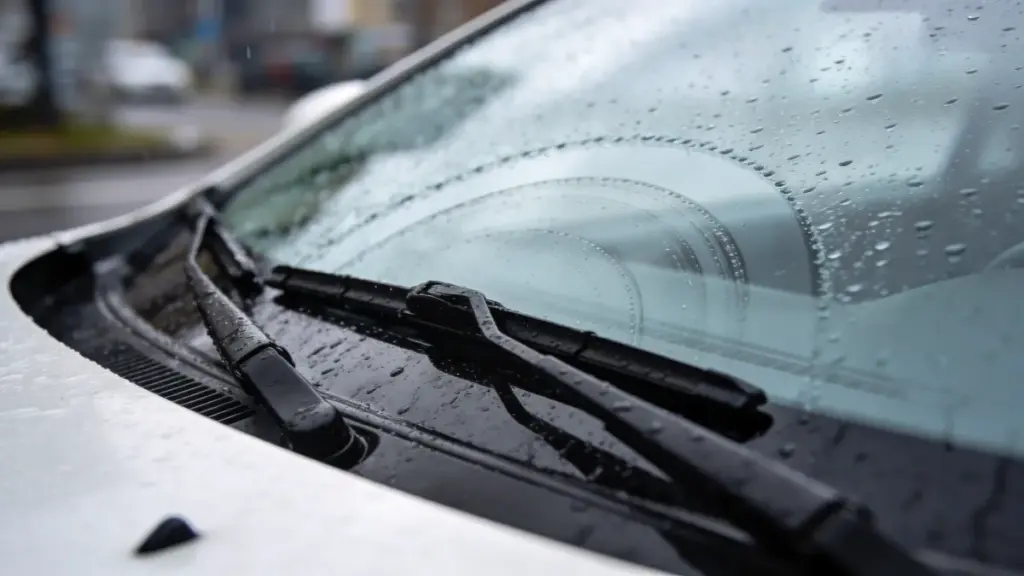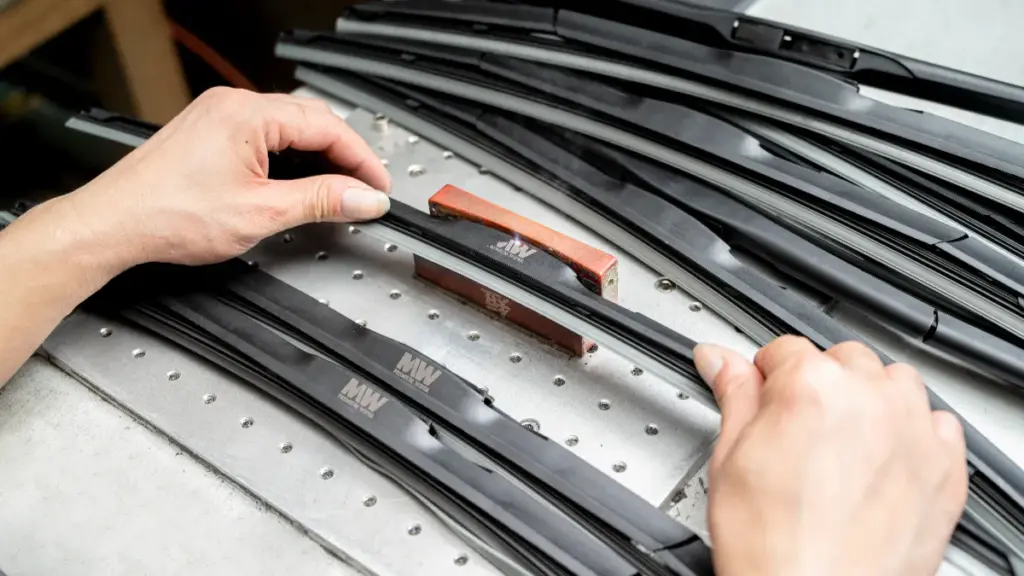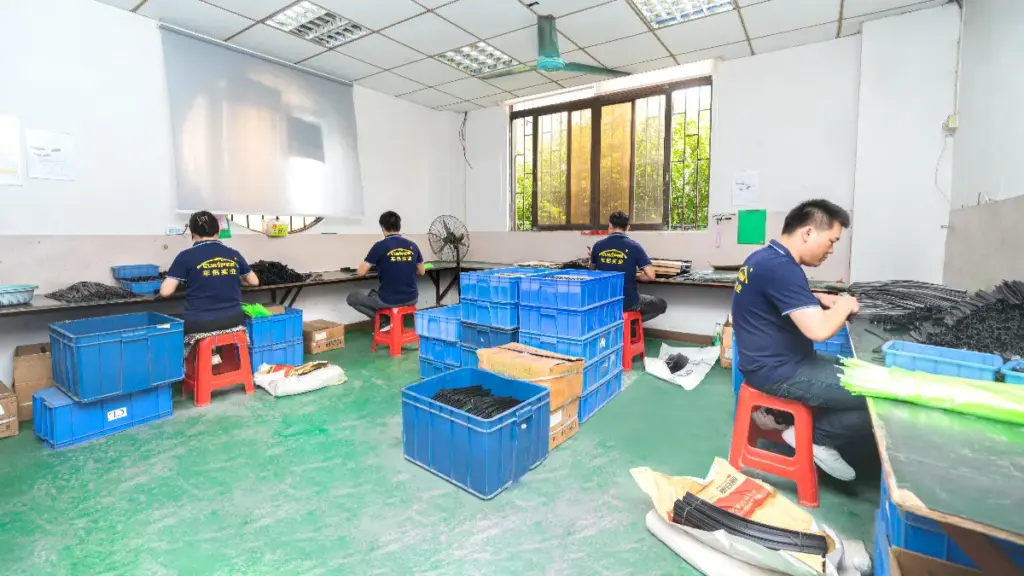
Sementara Tiongkok masih menjadi pusat produksi wiper blade secara global, perubahan kebijakan perdagangan dan kenaikan biaya mendorong importir melakukan diversifikasi. Memilih untuk melakukan pengadaan di luar Tiongkok adalah langkah strategis untuk memitigasi risiko dan mengoptimalkan tarif, namun hal ini memerlukan pemahaman yang jelas mengenai kemampuan regional. Panduan ini membahas kapan harus mengubah strategi pengadaan Anda dan apa yang diharapkan terkait standar kualitas, waktu tunggu, dan ketepatan teknis ketika bermitra dengan produsen baru di Asia Tenggara, India, atau Meksiko.
Mengapa Beberapa Pembeli Mencari Produsen Wiper Di Luar China
Pembeli sering kali mencari produsen wiper non-Cina untuk mendapatkan kontrol kualitas yang ketat, sertifikasi khusus seperti IATF 16949, kinerja material yang unggul (MISALNYA., ketahanan suhu ekstrim, karet khusus), praktik keberlanjutan yang lebih baik, dan peningkatan kemampuan penyesuaian tidak selalu diprioritaskan oleh produsen Tiongkok dalam jumlah besar.
Penekanan pada Kontrol Kualitas dan Sertifikasi yang Unggul
Pembeli memprioritaskan produsen di luar Tiongkok untuk kontrol kualitas yang lebih ketat dan sertifikasi tingkat lanjut. Sementara banyak pabrikan China yang memegang ISO 9001 dan IATF 16949, rekan-rekan non-Cina, seperti TRICO, sering menawarkan rangkaian sertifikasi yang diperluas termasuk ISO 14001 dan peringkat pembuat mobil tertentu seperti Porsche VDA 6. Komitmen ini diperluas untuk mencapai tingkat kerusakan kelas dunia, dengan beberapa pemasok menargetkan PPM (bagian per juta) di bawah 10, ditambah dengan sistem analisis garansi terintegrasi yang canggih.
Pendekatan yang ketat ini menandakan fokus pada jaminan kualitas komprehensif yang sering kali melampaui kepatuhan dasar, menggabungkan sistem manajemen lingkungan yang kuat dan analisis siklus hidup produk yang terperinci. Dorongan untuk peningkatan kualitas berkelanjutan dan minimalisasi cacat merupakan pembeda utama, selaras dengan persyaratan ketat untuk komponen dalam ekosistem otomotif modern.
Permintaan akan Daya Tahan Ekstrim, Bahan Khusus, dan Keberlanjutan
Selain sertifikasi, pembeli mencari produsen non-Cina karena daya tahan ekstrim dan kinerja material khusus. Misalnya, aplikasi industri memerlukan wiper yang mampu beroperasi pada rentang suhu yang luas, seperti -40°C hingga 100°C (dan sebentar hingga 140°C, dicontohkan oleh TSUBAKI), peningkatan yang signifikan dibandingkan spesifikasi khas Tiongkok yang sering kali berkisar antara -60°C hingga 60°C. Ada preferensi yang kuat untuk material canggih seperti karet sintetis tahan abrasi NBR, yang memberikan peningkatan ketahanan terhadap minyak, asam, dan mikroba, berbeda dengan karet berlapis Teflon standar yang terutama berfokus pada penyeka tanpa goresan.
Lebih-lebih lagi, Produsen non-Tiongkok sering kali menunjukkan komitmen yang lebih kuat terhadap keberlanjutan melalui praktik seperti penggunaan cat berbahan dasar air dan penerapan sistem pengelolaan lingkungan yang kuat sejak awal tahun 2000an.. Hal ini juga berarti fleksibilitas yang lebih besar untuk lini produk yang disesuaikan, bergerak melampaui efisiensi biaya, model OEM/ODM volume tinggi dari Tiongkok yang sering kali menggunakan lebih banyak bahan dasar seperti baja seng galvanis 1,4 mm (bingkai SPCC).
Wilayah Utama Dengan Produsen Wiper Terkemuka (Eropa, Amerika Utara, Yang lain)
Data pasar global mengidentifikasi Eropa, Amerika Utara, dan Asia-Pasifik sebagai wilayah utama dengan kapasitas produksi wiper yang terkonsentrasi dan kepemimpinan teknologi, melayani sektor OEM dan purnajual. Wilayah-wilayah ini mendorong inovasi global dalam sistem dan bilah wiper otomotif.
Pasar wiper otomotif global terutama terkonsentrasi di tiga wilayah utama: Eropa, Amerika Utara, dan Asia-Pasifik. Daerah-daerah ini tidak hanya penting dalam hal volume pasar tetapi juga berfungsi sebagai pusat kapasitas produksi, inovasi teknologi, dan distribusi purnajual untuk Produsen Peralatan Asli (OEM) dan suku cadang pengganti.
Eropa: Nilai Tinggi dan Kepadatan Purna Jual
Eropa mewakili segmen pasar wiper otomotif yang besar dan terus berkembang. Pasar wiper blade di wilayah ini saja diproyeksikan akan meningkat mulai dari USD 2.87 miliar masuk 2025 ke USD 3.75 miliar oleh 2035, menunjukkan Tingkat Pertumbuhan Tahunan Majemuk (CAGR) dari 2.7%. Saat mempertimbangkan sistem dan komponen wiper lengkap, pasar Eropa diperkirakan tumbuh dari USD 780 juta masuk 2025 ke USD 924 juta oleh 2035, dengan CAGR sebesar 1.7%.
Jerman memimpin pasar Eropa, memegang sekitar 32.4% dari pasar wiper blade dan 34.2% dari keseluruhan pasar wiper otomotif di 2025. Dominasi ini sebagian disebabkan oleh kehadiran pemasok utama Tier-1 seperti Robert Bosch GmbH, sistem penghapus dan pemasok bilah terkemuka. Inggris dan Perancis juga berkontribusi signifikan, dengan pangsa pasar sebesar 19.2% Dan 17.3% masing-masing, untuk bilah penghapus di 2025. Ketiga negara ini secara kolektif menyumbang lebih dari dua pertiga pendapatan wiper blade Eropa. Pasar Eropa dicirikan oleh nilai per kendaraan yang tinggi dalam bisnis wipernya, digerakkan oleh armada besar kendaraan premium dan listrik, ditambah dengan jaringan purnajual yang luas.
Amerika Utara: Inovasi Penggerak Pasar yang Matang
Amerika Utara, meliputi AS. dan Kanada, berdiri sebagai pasar yang matang dan berspesifikasi tinggi untuk wiper otomotif. Pasar wiper blade kaca depan di Amerika Utara dihargai USD 1,740.6 juta masuk 2024 dan diperkirakan akan tumbuh pada CAGR sebesar 3.2% melalui 2031. Pertumbuhan yang kuat ini mencerminkan permintaan penggantian yang berkelanjutan dan peran kawasan ini sebagai tempat pembuktian teknologi wiper yang canggih.
Pasar di sini dibentuk oleh persyaratan keselamatan kendaraan yang ketat dan beragam, seringkali parah, kondisi cuaca, memerlukan solusi wiper yang tahan lama dan mampu digunakan di musim dingin. Tuntutan ini mendorong inovasi, menjadikan Amerika Utara wilayah utama untuk penerapan fitur-fitur baru seperti sensor hujan dan wiper berpemanas. Pemasok terkemuka seperti Produk TRICO adalah pemain penting di pasar ini.
Asia-Pasifik: Pusat Produksi dan Integrasi ADAS
Kawasan Asia-Pasifik, khususnya Jepang, Cina, dan Korea Selatan, adalah basis produksi dan teknologi penting untuk sistem wiper otomotif. Perusahaan seperti DENSO Corporation, pemasok Tier-1 utama Jepang, berada di garis depan dalam mengintegrasikan sistem wiper dengan sistem bantuan pengemudi yang canggih (Adas) dan fungsi pembersihan kamera untuk kendaraan generasi berikutnya. Fokus pada solusi terintegrasi ini menyoroti kontribusi kawasan ini terhadap komponen otomotif berteknologi tinggi.
Produsen Utama Wiper Global
Beberapa pemain kunci mendominasi lanskap manufaktur wiper global, memasok keduanya OEM dan aftermarket sektor:
- Robert Bosch GmbH (Jerman): Pemimpin dalam sistem wiper dan bilah di seluruh Eropa, Amerika Utara, dan Asia.
- Valeo SA (Perancis): Pemasok utama sistem wiper di Eropa dan global, baru-baru ini memperluas ke motor dan kontrol wiper khusus EV.
- Perusahaan DENSO (Jepang): Dikenal karena memasok sistem wiper yang terintegrasi dengan teknologi bantuan pengemudi yang canggih.
- Produk TRICO: Sebuah signifikan pemasok bilah penghapus, sangat kuat di Amerika Utara dan Eropa.
- Federal-Mogul (Tenneco): Pemasok berbagai komponen otomotif, termasuk wiper.
- Aisin Seiki (Perusahaan Aisin): Pemasok Tier-1 Jepang juga aktif dalam sistem wiper.
Daerah Berkembang
Sementara Eropa, Amerika Utara, dan pemimpin Asia-Pasifik, wilayah seperti Amerika Selatan/Amerika Latin dan Timur Tengah & Afrika adalah pasar negara berkembang. Mereka terutama berfokus pada perakitan lokal dan pisau purnajual untuk melayani armada domestik dan pabrik OEM regional, daripada bertindak sebagai pusat ekspor yang signifikan untuk teknologi wiper yang canggih.
Perbedaan Khas dalam Biaya, Lead Time dan MOQ vs Pemasok Cina
Pemasok Tiongkok unggul dalam menawarkan biaya per unit yang sangat kompetitif (seringkali USD 0,50–1,50) untuk wiper purnajual massal, ditandai dengan MOQ yang lebih rendah (500–2.000 buah) dan waktu tunggu yang lebih cepat (20–45 hari). Sebaliknya, Eropa, KITA, dan pabrikan Tier-1 Jepang, menyasar segmen OEM dan premium, biasanya memberikan harga 5–15x lebih tinggi, MOQ berbasis program yang jauh lebih besar (puluhan ribu set), dan waktu tunggu yang lebih lama (8–12 minggu) didorong oleh fitur-fitur canggih dan kepatuhan terhadap peraturan.
Penggerak Biaya yang Mendasari, Waktu Pimpin, dan Variasi MOQ
Perbedaan biaya terutama disebabkan oleh biaya tenaga kerja, skala ekonomi, penentuan posisi produk (pasar purnajual vs. Siap OEM/ADAS), dan biaya overhead peraturan.
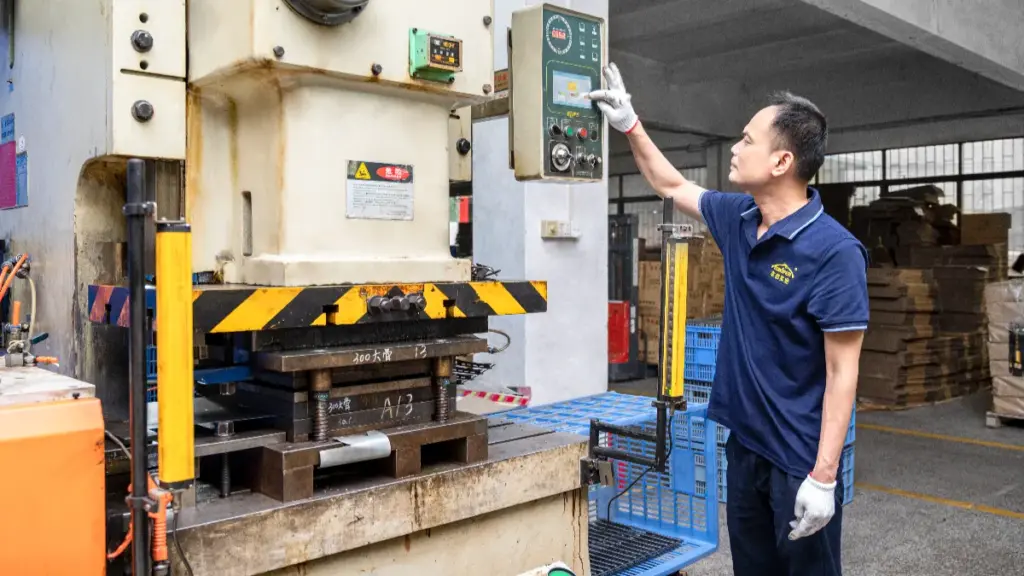
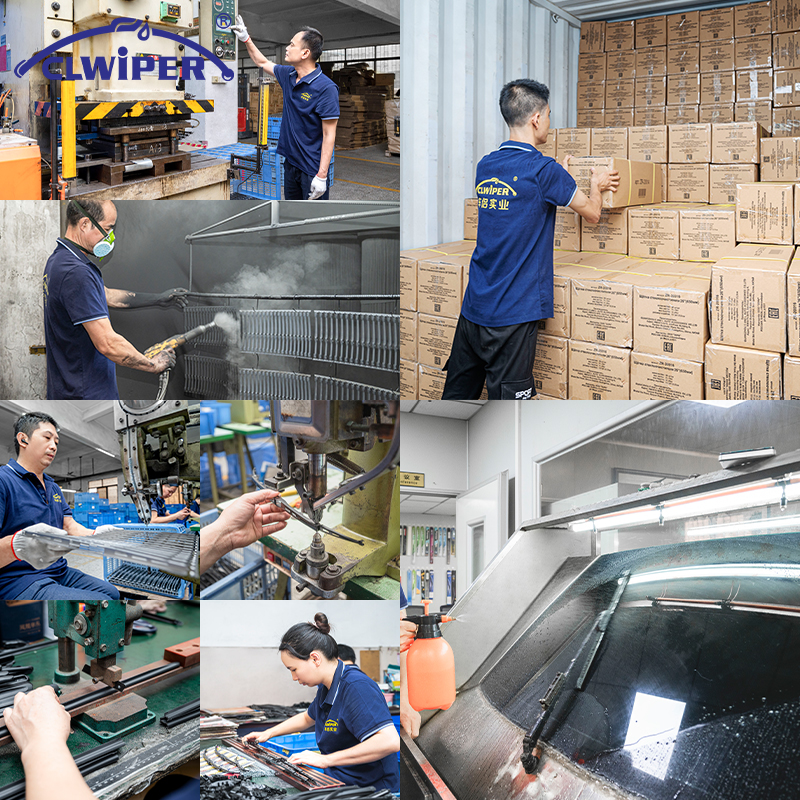
Pabrikan Tiongkok seperti CLWIPER beroperasi dengan kapasitas tahunan sebesar 10–12 juta bilah, memungkinkan biaya unit yang sangat rendah, terutama untuk pisau aftermarket konvensional.
Pemasok non-Cina (MISALNYA., Robert Bosch GmbH, Kontinental AG, Denso) sering kali berfokus pada lini OEM dan purnajual premium dengan margin lebih tinggi, termasuk sistem yang kompatibel dengan ADAS dan kepatuhan terhadap GSR2 / Peraturan keselamatan UE, secara struktural meningkatkan biayanya.
Fokus produk: Pemasok Tiongkok menargetkan saluran purnajual yang sensitif terhadap harga, sementara pemasok UE/AS/Jepang berkonsentrasi pada nilai tambah yang tinggi, manufaktur presisi volume rendah.
Tolok Ukur Kuantitatif dan Penerapan Sumber Daya Strategis
Cina Bilah penghapus aftermarket diiklankan secara luas dengan harga USD 0,50–1,50 per potong FOB China untuk bilah konvensional curah dasar.
Pisau bermerek atau kelas OE dari Eropa, KITA, atau pemasok Jepang biasanya menjual dengan harga USD 8–20 per bilah, menunjukkan delta harga 5–15x.
MOQ tipikal untuk pisau Cina berlabel pribadi adalah 500–2.000 pcs per model/ukuran, sedangkan mendirikan bisnis struktur Tier-1 Barat/Jepang sekitar puluhan ribu set untuk program OEM/distributor besar.
Waktu tunggu untuk wiper curah Tiongkok seringkali 20–45 hari, sementara pemasok Tingkat 1 yang bekerja sama dengan OEM biasanya beroperasi dengan siklus pesanan hingga pengiriman selama 8–12 minggu.
Pengadaan sumber daya strategis berarti menggunakan Tiongkok dengan biaya rendah, bilah konvensional bervolume tinggi, dan mengambil sumber dari UE/AS/Jepang untuk SKU yang berbeda secara teknis yang memerlukan integrasi dengan elektronik kendaraan, kamera ADAS, atau kerangka garansi OEM.
Mitra Manufaktur Global untuk Bilah Penghapus Premium
Kapan Masuk akal untuk Mencampur Pemasok Wiper Tiongkok dan Luar Negeri
Menggabungkan pemasok wiper Tiongkok dan luar negeri memungkinkan pembeli memanfaatkan efisiensi biaya dan kapasitas volume tinggi Tiongkok untuk produk standar, sambil mencari teknologi wiper khusus atau premium dari merek internasional. Pendekatan hibrid ini mengoptimalkan biaya, mendiversifikasi rantai pasokan, dan memenuhi beragam permintaan pasar untuk aplikasi yang sensitif terhadap harga dan kinerja penting, memastikan portofolio produk yang seimbang dan kuat.
| Asal Pemasok | Kekuatan Utama / Contoh | Kontribusi Strategis |
|---|---|---|
| Cina | ALAT PEMOTONG: 10,000㎡ fasilitas, 12M unit/tahun, ekspor ke 60+ negara (konvensional, balok, hibrida, dll.). aliran baru: 18 bertahun-tahun, bilah rangka logam konvensional, ekspor ke 70+ negara, Kustomisasi OEM/ODM. Gema: 14+ bertahun-tahun, teknologi pemotongan canggih untuk hidrofobisitas, mematuhi standar internasional. Volume ekspor yang tinggi (MISALNYA., 157 pengiriman yang dilacak, HS 851240). Sertifikasi: ISO 9001, IATF 16949. |
Hemat biaya, produksi volume tinggi untuk konvensional & pisau hibrida. Sumber komoditas massal, Kemampuan OEM/ODM. Teknologi dasar dan skala manufaktur untuk pasar yang sensitif terhadap harga. |
| Luar negeri | Anco: Contour® Beam Blade dengan teknologi Articulated Contact™ (tekanan seragam, aerodinamika), Sistem Kwik Connect®. Anco: Bilah Sinar Profile® (kontak bilah-ke-kaca depan yang canggih, fitur aerodinamis). |
Akses ke teknologi khusus dan fitur premium. Aplikasi yang mengutamakan kinerja dan produk yang berbeda. Melayani premium, sensitif terhadap merek, atau permintaan pasar spesifik wilayah. |
Keuntungan Strategis Model Pengadaan Hibrida
Memanfaatkan skala Tiongkok untuk penghematan biaya, produksi pisau konvensional dan hibrida dalam jumlah besar, dicontohkan oleh CLWIPER 12 juta unit per tahun dari fasilitas 10.000㎡.
Mengakses teknologi khusus dan fitur premium dari entitas luar negeri, seperti Contour® Beam Blade ANCO dengan teknologi Articulated Contact™ untuk tekanan dan aerodinamis yang seragam.
Menyeimbangkan sensitivitas harga dan kebutuhan komoditas dalam jumlah besar (MISALNYA., Kemampuan OEM/ODM Tiongkok) dengan dibedakan, aplikasi yang kritis terhadap kinerja dari merek internasional.
Mengoptimalkan Portofolio Produk dan Jaminan Kualitas
Pengadaan wiper komoditas massal, produksi dalam jumlah besar, dan solusi OEM/ODM khusus dari Tiongkok, sebagaimana dibuktikan oleh 157 pengiriman yang dilacak (kode HS 851240) dan Novoflow 18 tahun beroperasi mengekspor ke 70+ negara.
Mengamankan keandalan yang tinggi, sensitif terhadap merek, atau produk khusus wilayah dari luar negeri untuk memenuhi pasar premium atau kebutuhan kendaraan tertentu (MISALNYA., Bilah Sinar Profile® ANCO).
Memastikan kepatuhan terhadap standar kualitas internasional untuk semua komponen, dengan pemasok Cina seperti Aido (teknologi pemotongan canggih untuk hidrofobisitas) dan lainnya yang memegang ISO 9001 dan IATF 16949 sertifikasi untuk produksi.
Bagaimana Mendekati dan Mengevaluasi Produsen Wiper Luar Negeri
Mengevaluasi produsen wiper luar negeri memerlukan pendekatan komprehensif, dimulai dengan memverifikasi sertifikasi mutu seperti IATF 16949 dan ISO 9001. Pembeli harus menilai kemampuan OEM/ODM, kapasitas produksi, waktu tunggu, dan potensi penghematan biaya. Evaluasi teknis berfokus pada standar ketahanan (MISALNYA., >500,000 menghapus siklus), kepatuhan lingkungan (ROHS/REACH), dan protokol pengujian khusus seperti ketahanan terhadap sinar UV dan semprotan garam.
Penilaian Awal: Mengidentifikasi Pemasok Luar Negeri yang Terkemuka
Prioritaskan produsen dengan dapat diverifikasi IATF 16949 Dan ISO 9001 sertifikasi, menunjukkan sistem manajemen kualitas otomotif yang kuat.
Menilai Kustomisasi OEM/ODM kemampuan, seperti desain yang fleksibel, logo, dan pilihan kemasan.
Evaluasi potensi untuk penghematan biaya langsung dari pabrik, yang bisa sampai 30% lebih rendah daripada alternatif OEM bermerek.
Konfirmasikan kapasitas produksi, rekam jejak pengiriman tepat waktu, dan waktu tunggu yang khas, sering berkisar dari 15-25 hari.
Selidiki asal usul rantai pasokan, menyadari bahwa banyak merek global seperti Bosch dan Denso melakukan outsourcing komponen blade ke pabrik-pabrik di Asia.
Evaluasi Teknis: Standar, Daya tahan, dan Kepatuhan Lingkungan
Verifikasi pengujian ketahanan terhadap standar seperti GB/T 535-2017, simulasi berakhir 500,000 menghapus siklus untuk umur yang lebih panjang (>5 penggunaan rutin selama bertahun-tahun).
Konfirmasikan kepatuhan terhadap peraturan lingkungan hidup yang penting, termasuk ROHS UE Dan MENCAPAI untuk keamanan materi.
Tinjau protokol pengujian utama yang diterapkan oleh produsen, seperti pengujian UV, pengujian semprotan garam, dan komprehensif menghapus evaluasi kinerja.
Pertimbangkan pengawasan terhadap badan-badan seperti Komite Standar Penghapus SAE dalam menentukan kinerja wiper otomotif dan standar keselamatan.
Periksa sistem kendali mutu pabrikan, termasuk pemeriksaan material yang masuk, inspeksi dalam proses, dan jaminan kualitas pra-pengiriman.
Pikiran Terakhir
Keputusan untuk bilah penghapus sumber dari pabrikan luar negeri, bukan secara eksklusif dari Tiongkok, didorong oleh kebutuhan strategis akan pengendalian kualitas yang unggul, kepatuhan terhadap sertifikasi lanjutan, kinerja material khusus untuk kondisi ekstrim, dan penyesuaian yang ditingkatkan. Sementara China unggul dalam efisiensi biaya, produksi bilah standar dan purnajual dalam jumlah besar, wilayah seperti Eropa, Amerika Utara, dan Jepang memimpin dalam inovasi, integrasi ADAS tingkat lanjut, dan solusi kelas OEM premium, meskipun dengan biaya yang lebih tinggi dan waktu tunggu yang lebih lama.
Akhirnya, strategi sumber daya hibrida sering kali terbukti paling efektif, memungkinkan pembeli memanfaatkan harga kompetitif Tiongkok untuk barang-barang komoditas sambil mengamankan kinerja tinggi, dibedakan secara teknis, dan produk yang memenuhi standar dari pemasok non-Tiongkok. Pendekatan yang seimbang ini, ditambah dengan evaluasi ketat berdasarkan standar internasional yang obyektif (ISO, ASTM) bukan sekadar negara asal, memungkinkan dunia usaha untuk mengoptimalkan rantai pasokan mereka demi efisiensi biaya dan kualitas tanpa kompromi, melayani beragam permintaan pasar dan persyaratan peraturan.
Pertanyaan yang Sering Diajukan
Dalam situasi apa pembeli mencari produsen wiper di luar Tiongkok?
Pembeli mencari produsen wiper di luar Tiongkok dalam situasi yang melibatkan peraturan keselamatan yang ketat (MISALNYA., NHTSA di AS), tarif impor seperti kompon karet dan rakitan pisau dari Asia (meningkatkan biaya dengan memberikan dampak 4.1% perkiraan pertumbuhan pasar), dan preferensi terhadap produksi lokal atau non-Tiongkok di pasar premium (MISALNYA., KITA., Jerman, Eropa) untuk memastikan kepatuhan, mengurangi risiko logistik, dan mengakses teknologi canggih seperti sensor hujan.
Daerah mana saja yang mempunyai produsen wiper terkenal dan apa yang membuat mereka terkenal?
Produsen wiper paling terkenal terkonsentrasi di Eropa, Asia Timur, Amerika Utara, dan Tiongkok/India, dengan masing-masing wilayah berspesialisasi dalam kekuatan yang berbeda: Eropa (Jerman, Perancis, Italia, Spanyol, Inggris) dikenal dengan sistem kelas OEM, desain aero, dan mekatronik tingkat lanjut; Jepang dan Korea Selatan dikaitkan dengan keandalan yang tinggi, motor kompak, dan integrasi ke dalam sistem yang mendukung ADAS; Amerika Utara terkenal dengan cakupan OE dan purnajual bervolume besar; Tiongkok dan India menyediakan biaya yang kompetitif, bilah dan sistem bervolume tinggi untuk perakitan ekspor dan domestik.
Bagaimana tingkat biaya dan MOQ di luar negeri dibandingkan dengan pemasok Cina?
Penawaran pemasok Cina 60-80% biaya tenaga kerja lebih rendah dibandingkan produsen AS untuk produk padat karya seperti wiper, dengan harga ekspor wiper kaca depan kendaraan di $1.6 per unit pada bulan Februari 2025. Luar negeri (non-Cina) MOQ dan data biaya terbatas, namun pemasok Tiongkok umumnya memungkinkan penskalaan volume tinggi dengan harga per unit yang lebih rendah karena integrasi vertikal, meskipun total biaya yang dikeluarkan mungkin mempersempit kesenjangan setelah pengiriman dan tarif.
Bagaimana persepsi “Made in…” mempengaruhi merek dan harga wiper kaca depan?
“Buatan …” persepsi mendorong markup merek sebesar 3-8x pada bilah penghapus di saluran ritel dan grosir, dengan sumber Asia langsung dari pabrik (MISALNYA., Cina) memungkinkan 30% biaya pengadaan yang lebih rendah dibandingkan dengan impor OEM bermerek dengan tetap mempertahankan kinerja setelah penggunaan awal.
Kapan sebaiknya menggunakan pemasok wiper China dan luar negeri?
Wiper sumber ganda dari Tiongkok tergolong cerdas secara teknis dan komersial + setidaknya satu di luar negeri (regional) pemasok setelah permintaan tahunan Anda melampaui sekitar 50.000–100.000 bilah/tahun per platform atau wilayah, Anda menyediakan 2+ wilayah dengan profil peraturan atau iklim yang berbeda, atau Anda memerlukan kualitas OEM bersertifikasi IATF 16949 plus cakupan purnajual berbiaya rendah di seluruh pasar. Hal ini memungkinkan Anda menggunakan Tiongkok untuk volume tinggi, SKU dan pemasok regional yang sensitif terhadap biaya (UE/AS/Korea/Jepang) untuk program OEM, pengisian ulang tepat waktu, dan kepatuhan terhadap standar lokal dan tuntutan kinerja iklim.
Bagaimana saya harus mengevaluasi produsen wiper luar negeri sebelum melakukan pemesanan?
Mengevaluasi produsen wiper luar negeri dengan mewajibkan kepatuhan terhadap standar kinerja wiper yang diakui (MISALNYA., SAE J903, SAE J198), pengujian ketahanan terdokumentasi setidaknya 100,000 siklus menyeka, uji lingkungan/korosi yang tervalidasi (MISALNYA., semprotan garam siklik hingga 70°C), dan data kebersihan/konsistensi yang dikontrol secara statistik jika relevan (sesuai IEST‑RP‑CC004.3 untuk wiper ruang bersih).