Sourcing auto parts from China can be highly rewarding yet challenging for new buyers. This guide uses wiper blades—simple, standardized, and low-risk components—as a practical entry point to master each stage of the sourcing journey. From defining strategy and vetting suppliers to managing quality control and scaling operations, you’ll learn how to leverage China’s mature auto parts ecosystem and confidently build a reliable supply chain foundation.
Step‑by‑Step Sourcing Workflow for Auto Parts (Using Wipers as the Case)

A successful auto parts sourcing workflow in China involves defining a clear strategy, understanding supplier tiers, rigorously vetting suppliers, and implementing robust quality control, leveraging regional clusters and established OEM/ODM processes.
| Aspect/Metric | China Data | Implications/Details |
|---|---|---|
| Group 2 Components Outsourcing | 49% outsourced by Chinese car makers; 45% from JVs/affiliates. | Indicates a high reliance on external supply chains with significant international partnership. |
| Group 3 Components Outsourcing (НАПРИМЕР., Wipers) | 90% outsourcing incidence among Chinese firms. | Demonstrates mature local supply availability for non-core auto parts. |
| First Inspection Batch Rejection Rates | <20% for Tier 1 поставщики; >20% common for lower tiers. | Highlights critical differences in quality assurance across supplier tiers; Tier 1 offers comparable quality to international standards. |
| Auto Parts Industry Clustering | 6 major regions; Eastern China holds 39% market share, suppliers near OEMs. | Enables efficient logistics, reduced lead times, and specialized supply chains. |
| Local Sourcing Target Achievement | 70% achieved by car makers via close Tier 1 collaboration. | Signifies a strategic shift from imports, driven by domestic supply chain strength and quality improvements. |
Defining Your Sourcing Strategy and Supplier Tier
For non-core components such as wiper blades, it is highly beneficial to assess outsourcing options versus in-house production. China’s auto parts industry boasts high local outsourcing rates, with Group 3 items often seeing 83-90% outsourcing incidence, confirming a robust and mature local supply availability. When establishing a sourcing strategy, it is prudent to target Tier 1 or Tier 2 suppliers who are recognized for their reliability. A significant portion of these suppliers, between 45-55%, operate as joint ventures with international partners, contributing to their established quality and operational standards. Более того, leveraging China’s clustered auto parts industry, especially in Eastern China which commands a 39% market share, provides access to efficient logistics networks and a concentrated pool of suppliers, minimizing transport costs and lead times.
Implementing Supplier Vetting and Quality Control
Effective sourcing mandates thorough quality validation processes. Aim to select suppliers, particularly strong Tier 1 partners, who consistently achieve batch rejection rates below 20% on the first inspection. This metric serves as a critical indicator of their quality control efficacy. The sourcing workflow should adhere to a structured OEM/ODM process, commencing with initial inquiry, progressing through product recommendations and sampling, comprehensive quotation, and culminating in bulk production alongside mandatory pre-shipment inspections. To further assure quality, prioritize suppliers who possess ISO9001 certification and specific product certifications pertinent to the component, such as CE certification for wiper blades, as these signify adherence to international quality and safety standards.
Where to Find Reliable Auto Parts and Wiper Suppliers in China
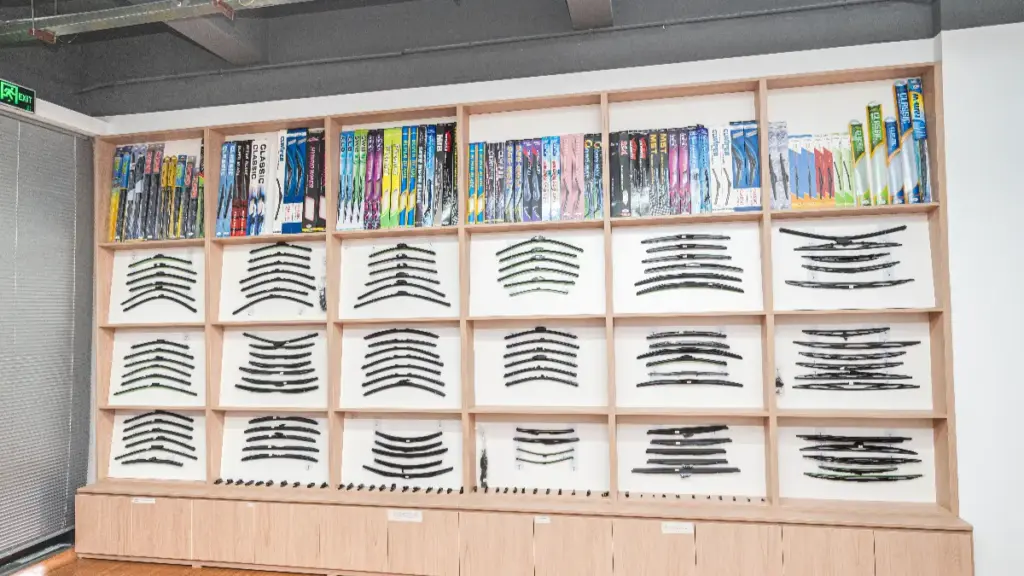
Reliable Chinese auto parts and wiper suppliers can be found through major B2B platforms like Made-in-China.com, with high concentrations in provinces such as Zhejiang and Guangdong. Verification involves checking for certifications like ISO9001:2015, assessing supplier specialization, and understanding their production scale.
Primary Sourcing Channels: Digital Platforms and Industrial Hubs
Major online directories like Made-in-China.com provide extensive listings for Chinese auto parts manufacturers.
Global Sources is another significant platform, especially for aftermarket auto parts, listing 3,778 поставщики.
Provinces with the highest supplier density include Zhejiang (3,595 поставщики), Гуандун (1,876), Shandong (1,565), Jiangsu (925), and Hebei (769).
These industrial hubs are crucial for sourcing various components, from brake systems to filters and wiper-related parts.
Verifying Supplier Credibility: Сертификаты, Specializations, and Scale
Prioritize suppliers holding ISO9001:2015 сертификация, which indicates adherence to international quality management systems.
Look for specialized entities such as Frontech Industrial (Shandong) for brake rotors/discs/pads, or Ketai Industries which offers 30,000+ SKUs.
Major auto parts companies like Fuyao Glass Industry Group (market cap $1.65B) and Ningbo Tuopu Group signify high-volume production and robust infrastructure.
Consider suppliers with established export capabilities and integrated OEM/ODM services, ensuring better control over product and packaging customization.
Your Global Partner for Premium Wiper Blade Manufacturing
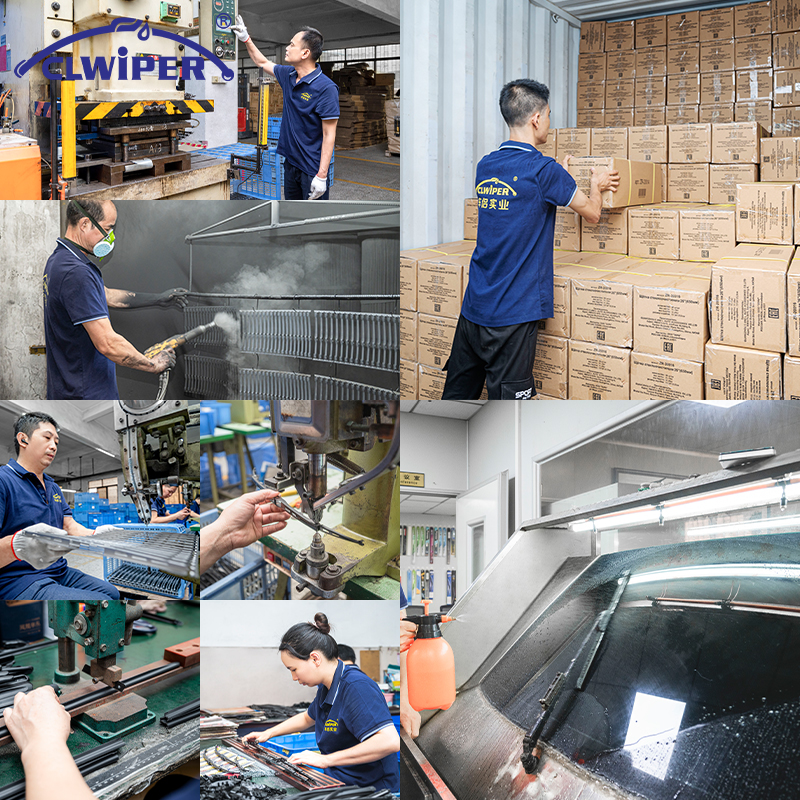
How to Verify China Wiper Blade Suppliers and Avoid Common Risks
Verifying Chinese auto parts suppliers requires a multi-faceted approach, starting with legal document checks against official registries like NECIPS, validating critical certifications (ИСО 9001, МАТФ 16949, CCC), and crucially, conducting professional on-site factory audits. This process uncovers discrepancies, assesses actual production capabilities, контроль качества, and ensures compliance, thereby safeguarding against fraud, quality issues, and regulatory risks.
Essential Document & Certification Verification
Verify legal existence using China’s National Enterprise Credit Information Publicity System (NECIPS) to check business licenses, production licenses, unified social credit code, and business scope.
Require and validate ISO 9001 certification for basic quality management, или IATF 16949 for direct automotive material suppliers.
Confirm China Compulsory Certification (CCC) for regulated auto parts, including CQC/CCAP issuance and MIIT product listing.
Check for production licenses (industrial production permits) to ensure legal manufacturing operations within approved scopes.
On-Site Audits and Continuous Risk Mitigation
Conduct structured on-site factory audits (НАПРИМЕР., via Pro QC, SVI Global, Asiaction) to verify legal status, ownership, производственная мощность, and equipment.
Evaluate quality control processes, including in-process/finished-goods inspection, calibration, and maintenance records.
Assess Environment, Health, and Safety (EHS) practices and warehouse/packaging management.
Demand social compliance certifications like SA8000 or BSCI to mitigate labor and ESG risks.
Insist on detailed audit reports with photographic evidence, non-conformities, and risk assessments, typically delivered within 24 hours post-visit.
How to Structure Sample Orders and Quality Checks for Wiper Blades
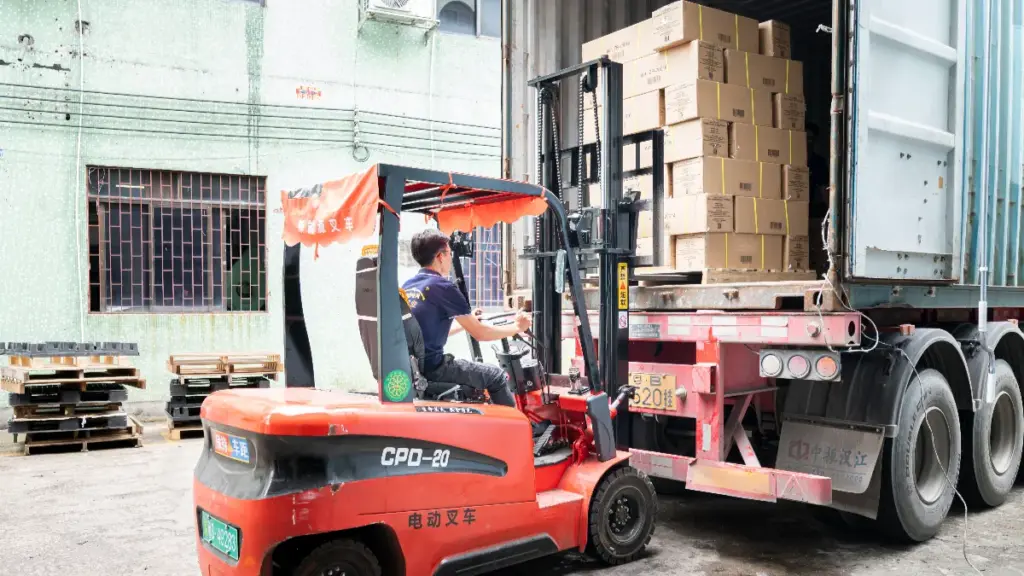
Structuring sample orders involves designing small validation builds to test basic performance and structural integrity, while quality checks utilize a layered approach, starting with visual inspections and progressing to detailed functional, относящийся к окружающей среде, and durability tests benchmarked against industry standards like SAE J903 and VW TL 934.
Structuring Sample Orders for Initial Validation
Treat early sample lots as ‘mini validation builds’ to align with established lab and OEM testing practices.
Ensure samples are sufficient to support initial wipe grading (НАПРИМЕР., targeting Grade ≥8 when unused) and short-run durability testing (НАПРИМЕР., tens of thousands of cycles).
Include all required superstructure variants (НАПРИМЕР., 6–8 contact points for economy blades) and adapter types to assess contact pattern, распределение давления, and rubber pull-out strength.
Size samples to allow for testing multiple specimens through up to 100,000 wiping cycles to meet acceptable wipe quality criteria.
Implementing Layered Quality Checks and Industry Benchmarks
Begin with foundational checks: dimensional/visual inspection and structural assessment of pressure points, clip design, and rubber retention.
Conduct functional wipe tests across multiple speeds with water spray, scoring wipe pattern quality (НАПРИМЕР., using a 5-level or 1–10 scale) and noise levels.
Implement environmental screening, including basic heat exposure up to 70 °C and corrosion tests like the 240-hour neutral salt spray test (DIN EN ISO 9227) on individual parts, aiming for no red rust (Ri 0).
For increased volumes or specific requirements, incorporate advanced tests such as coefficient of friction, ozone tests for rubber cracking, permanent set, and extended durability cycles up to 1.5 million cycles.
Anchor supplier control plans to recognized industry standards (НАПРИМЕР., САЭ Дж903) and OEM specifications (НАПРИМЕР., VW TL 934:2021-04) to establish concrete, negotiable acceptance criteria.
Заключительные мысли
Ready to take the first step toward sourcing smartly and confidently from China? Start with КЛИППЕР—your trusted partner for quality wiper blades and seamless supply chain support. Свяжитесь с нами сегодня to discuss your sourcing goals and discover how we can help you turn your first purchase into long-term success.
Часто задаваемые вопросы
Why are wiper blades a good starting point for sourcing auto parts from China?
Wiper blades are a good starting point for sourcing auto parts from China due to the country’s booming automotive industry, low-cost availability, and strong export capabilities, with China projected to grow at a CAGR of 8% from 2024-2034 and create USD 1.1 billion in incremental opportunities by 2034.
What is the basic sourcing workflow I should follow for auto parts?
The basic sourcing workflow for auto parts from China is: 1) Search suppliers on platforms like Alibaba, 1688, or Global Sources, focusing on regions like Guangdong, Чжэцзян, or Shandong; 2) Verify suppliers via factory audits, ISO/ECE certifications, and test reports; 3) Conduct inspections—DUPRO at 20-50% production and PSI after 100% completion with 80% packed; 4) Negotiate Incoterms (prefer FOB), arrange sea freight (20-45 days transit), and handle customs (5-25% обязанности).
Which channels can I use to find reliable auto parts and wiper suppliers in China?
You can reliably find Chinese auto parts and wiper suppliers via (1) major B2B marketplaces (Alibaba, Made‑in‑China, 1688), (2) automotive trade fairs in China (НАПРИМЕР., Automechanika Shanghai), (3) vetted supplier lists and sourcing agencies, и (4) direct outreach through professional/industry social channels (LinkedIn, Facebook groups) combined with strict checks for ISO/IATF certification and business licenses.
How can I verify Chinese suppliers and reduce risk?
Verify Chinese auto parts suppliers by checking business licenses and registration on China’s National Enterprise Credit Information Publicity System, confirming production licenses and quality certifications like ISO 9001, МАТФ 16494 (mandatory for direct material suppliers to automotive OEMs), and CCC certification for vehicles/parts; conduct on-site factory audits evaluating quality systems, capacity, and compliance, ideally via third-party services.
How should I design sample and trial orders for wiper blades?
For China-sourced wiper blades, structure sampling in two stages: first a technical sample batch of 10–20 pieces per model and size for lab and fitment testing against SAE J903 “Passenger Car Windshield Wiper Systems” performance requirements, then a trial order of 500–3,000 pieces mixed sizes (12″–28″) per model to validate real‑world quality before moving to the common MOQ levels (3,000–10,000 pcs) used by manufacturers.
How do I expand from wipers to other auto parts once the process works?
Once your wiper sourcing process is stable, expand into adjacent auto parts by following a staged, standards‑anchored approach: add one new component category per 6–12 months, starting with parts that share similar materials, test methods, and certification regimes (НАПРИМЕР., rubber and stamped‑steel exterior parts), and lock each new category to the relevant SAE/ISO/AIS/FMVS standards and factory test capabilities before scaling.