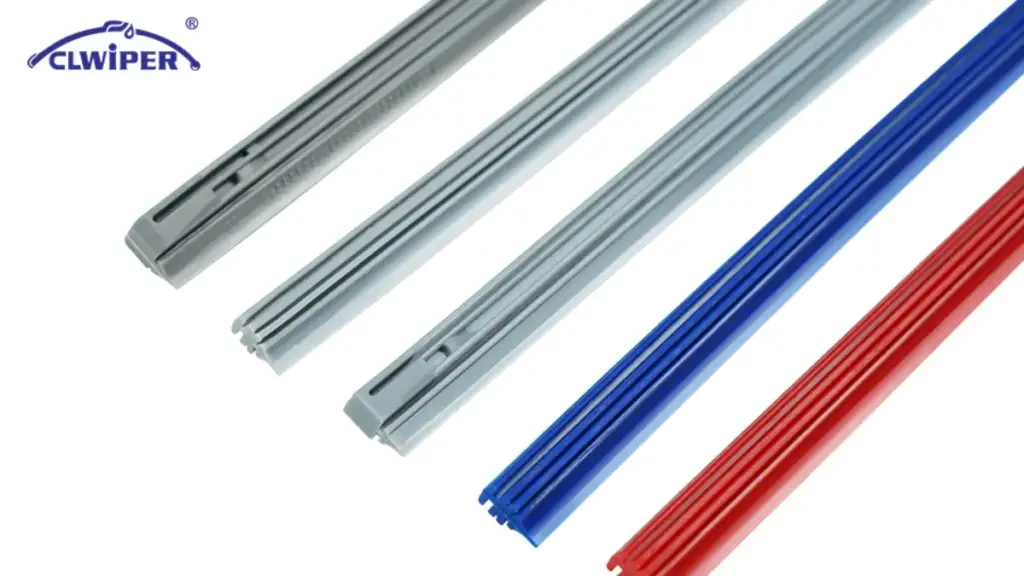
İthalatçılar için silecek lastiği tedarikçi değerlendirmesi önemlidir, distribütörler, ve istikrarlı kaliteye ihtiyaç duyan otomotiv satış sonrası markaları, güvenilir teslimat, ve öngörülebilir marjlar. Bu kılavuz, bir tedarikçiyi teklif edilen birim fiyatın ötesinde değerlendirmenize yardımcı olur, Fabrika kapasitesini doğrulamak için pratik kriterlerle, kalite kontrol, malzeme izlenebilirliği, OEM/ODM kapasitesi, Adedi, ve toplam iniş maliyeti.
Ayrıca tedarikçinin kırmızı bayraklarını nasıl tanımlayacağınızı da öğreneceksiniz., üretim ve dayanıklılık iddialarını doğrulamak, ve sipariş vermeden önce ağırlıklı bir puan kartı oluşturun. Bu yöntemler garanti risklerinin azaltılmasına yardımcı olabilir, güvenilmez ticaret şirketlerinden kaçının, ve tedarikçi kararlarını vaatler yerine ölçülebilir performansa dayalı olarak verin.
Güvenilir Bir Silecek Lastiği Tedarikçisi Nedir??
Güvenilir bir silecek lastiği tedarikçisi istikrarlı üretim sunmalıdır, tutarlı kalite, ve kanıtlanmış ürün performansı. Bu faktörler B2B alıcılarının garanti maliyetlerini ve tedarik risklerini azaltmasına yardımcı olur.
Üretim Ölçeği ve Kalite Sistemleri
Üretim kapasitesi tutarlı B2B tedarikinin temelidir. Alıcılar üretim kapasitesini değerlendirmeli, montaj hatları, takımlama, malzeme kontrolü, Bir fabrikayı yalnızca büyüklüğüne göre yargılamak yerine süreç yönetimi ve.
Üç alan özellikle önemlidir:
- Kalite Sertifikaları: Uygulanabilirliği doğrulayın ISO 9001 ve IATF 16949 sertifikalar, artı ilgili RoHS ve REACH belgeleri.
- Malzeme İzlenebilirliği: Üretim kodlarının bitmiş bıçakları hammadde partilerine ve denetim kayıtlarına bağlayıp bağlamadığını kontrol edin.
- Altyapının Test Edilmesi: Soğuk odalar gibi ekipmanlara erişimi doğrulayın, UV yaşlanma test cihazları, ve çekme test donanımları.
Tedarikçiler aynı zamanda kauçuğu da açıklayabilmelidir, yay çeliği, polimer, ve kaplama özellikleri. Açık teknik belgeler, üreticinin malzemeleri ve üretim kalitesi üzerinde gerçek kontrole sahip olduğunu doğrulamaya yardımcı olur.
Ürün Performansı ve Tedarik Güvenilirliği
Güvenilir tedarikçiler, ürün iddialarını kalite veya hizmet ömrüne ilişkin genel ifadeler yerine ölçülebilir test sonuçlarıyla desteklemelidir.. Alıcılar dayanıklılığı incelemelidir, temas basıncı, sıcaklık direnci, silme kalitesi, bağlayıcı teçhizatı, ve kanatların hedef çalışma koşulları altında tutarlı bir şekilde performans gösterebileceğini doğrulamak için diğer ilgili performans testleri.
Teslimat performansı distribütörler ve satış sonrası markalar için eşit derecede önemlidir. Alıcılar tedarikçinin teslimat kaydını incelemelidir, teslim süresi istikrarı, üretim kapasitesi, ve siparişlerin tutarlı bir şekilde yerine getirilmesini sağlama yeteneği. Birden fazla araç uygulamasını kapsayan işletmeler için, çoklu adaptör sistemleri ve doğru teçhizat verileri aynı zamanda SKU karmaşıklığını da azaltabilir ve hatalı sevkiyatların ve maliyetli iadelerin önlenmesine yardımcı olabilir.
Müşteri Desteği ve Satış Sonrası Servis
Tedarikçi güvenilirliği malların fabrikadan çıkmasıyla sona ermez. Duyarlı iletişim, net garanti koşulları, Alıcılar ürün kusurlarıyla karşılaştığında yapılandırılmış problem çözme önemlidir, teslimat sorunları, veya özelliklerin değiştirilmesi. Sipariş vermeden önce, tedarikçinin garanti taleplerini nasıl ele aldığını doğrulayın, yedek ürünler, geri döner, ve düzeltici eylemler.
Özel markalı markalar ve distribütörler için, Satış sonrası destek, müşteriyi elde tutmayı doğrudan etkileyebilir. Etkilenen partileri takip edebilen bir tedarikçi, saha şikayetlerini araştırın, ve düzeltici eylemlerin hızlı bir şekilde uygulanması, garanti maliyetlerinin kontrol edilmesine ve alıcının marka itibarının korunmasına yardımcı olabilir. İlgili durumlarda kamera veya sensör temizliği.
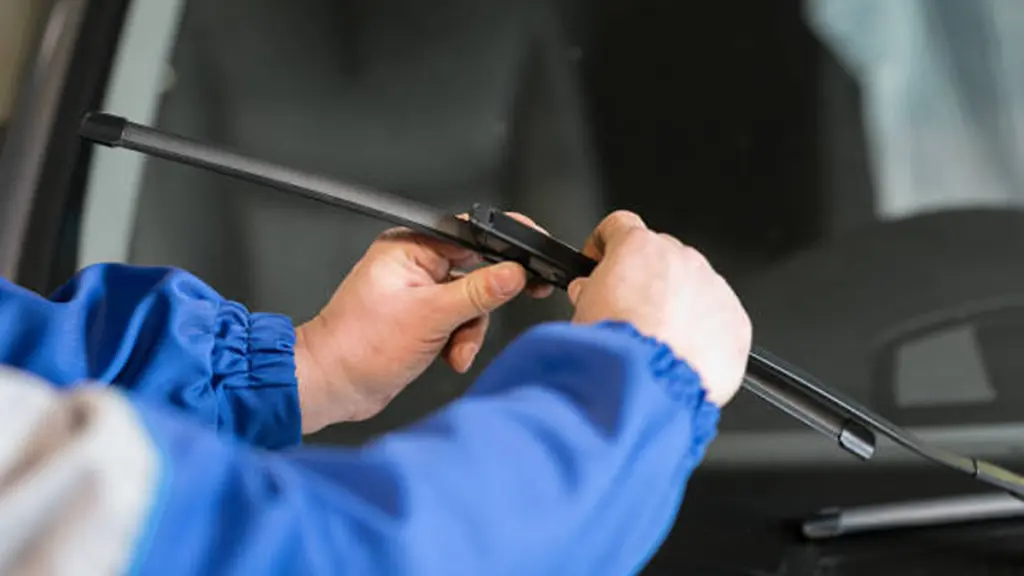
Tedarikçinin Üretim Yeteneği Nasıl Kontrol Edilir?
Bir tedarikçinin belirtilen kapasitesi her zaman gerçek üretim kapasitesini yansıtmaz. Alıcılar fabrika operasyonlarını doğrulamalı, teçhizat, süreç kontrolleri, ve büyük siparişler vermeden önce üretim kayıtları.
Yerinde Fabrika Denetimi ve Üretim Kapasitesi
Yerinde denetim, alıcıların tedarikçinin gerçek bir üretim tesisi işlettiğini ve beklenen sipariş hacmini karşılayacak kaynaklara sahip olup olmadığını teyit etmesine yardımcı olur. Yalnızca şirket profillerine güvenmek yerine üretim alanını inceleyin veya ürün katalogları.
Ana üretim alanlarını kontrol edin, kauçuk işleme dahil, çelik bileşen hazırlığı, adaptör kalıplama, toplantı, ve uygun olduğu yerde ambalajlama. Daha sonra gözden geçirin:
- Üretim Hatları: Bu anahtarı onayla üretim süreçleri çoğunlukla dışarıdan temin edilmek yerine şirket içinde gerçekleştirilir.
- Ekipman Kapasitesi: Makineleri kontrol edin, takımlama, üretim alanı, ve mevcut ekipman kullanımı.
- Üretim Kayıtları: Belirtilen kapasiteyi güncel üretim programları ve fiili üretimle karşılaştırın.
Büyük bir fabrika her zaman mevcut kapasite anlamına gelmez. Mevcut müşteri siparişleri üretim hatlarını zaten meşgul ediyor olabilir, dolayısıyla mevcut üretim faaliyeti tedarikçinin kapasitesinin daha gerçekçi bir resmini sunuyor.
Üretim Çalıştırma ve Kapasite Doğrulaması
Mümkün olduğunda, Sipariş etmeyi planladığınız silecek lastiği modelleri için aktif bir üretim sürecini gözlemleyin. Bu, alıcıların tedarikçinin belirtilen çıktısını gerçek üretim hızı ve hat organizasyonuyla karşılaştırmasına olanak tanır.
Üretim akışına dikkat edin, personel alımı, ekipman kullanılabilirliği, ve fabrikanın farklı bıçak boyutları veya modellerini kullanma yeteneği. Daha büyük alımlar için, deneme üretim çalışması, tam ölçekli siparişten önce ek kanıt sağlayabilir.
Bu yaklaşım, alıcıların doğrulama yapmasına yardımcı olur fiili üretim kapasitesi, satış ekibinin sunduğu rakamlara güvenmek yerine.
Premium Silecek Lastikleriyle Satışlarınızı Ölçeklendirin
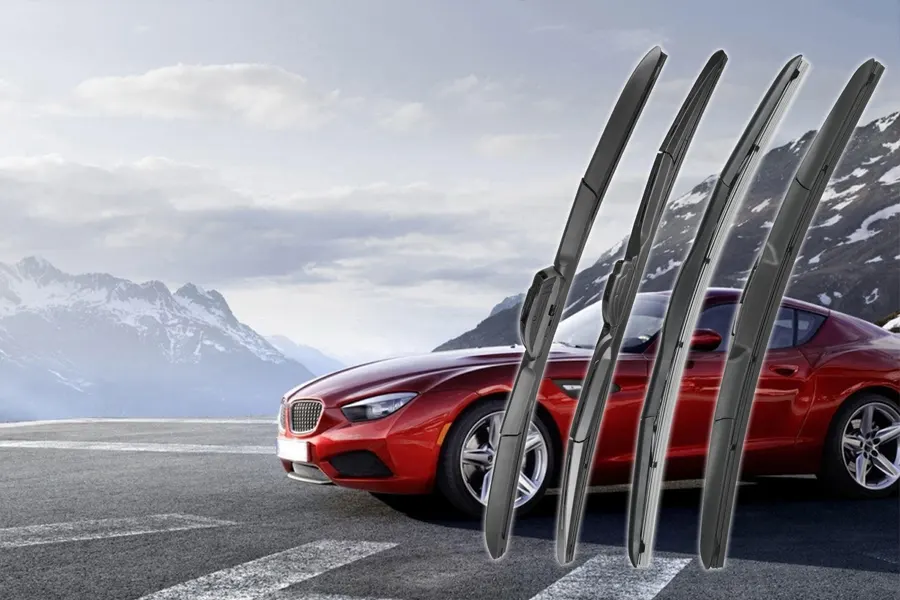
Silecek Lastiği Kalitesi ve Kalite Kontrol Sistemleri Nasıl Değerlendirilir?
B2B satın alma için, ürün kalitesi iyi bir numunenin ötesine geçer. Alıcıların, bir tedarikçinin üzerinde anlaşılan spesifikasyonları koruyabildiğine ve seri üretim boyunca kaliteyi kontrol edebildiğine dair kanıtlara ihtiyacı var.
Laboratuvar Testleri ve Ürün Kalitesi Doğrulaması
Güvenilir bir tedarikçi, teklif edilen silecek lastiği modelleri için belgelenmiş test sonuçlarını sağlamalıdır. Alıcılar, testlerin aşağıdaki gibi temel gereklilikleri kapsayıp kapsamadığını incelemelidir: dayanıklılık, silme performansı, malzeme özellikleri, sıcaklık direnci, gürültü, ve konnektör donanımı, Hedef pazara ve araç uygulamasına göre.
Daha büyük siparişler için, Onaylanan numuneyi rastgele seçilen üretim birimleriyle karşılaştırın. Alıcılar da talep edebilir:
- Test Raporları: Test edilen modeli onaylayın, Şartname, test yöntemi, ve sınav tarihi.
- Malzeme Kayıtları: Kritik malzemeler ve bileşenler için ilgili belgeleri inceleyin.
- Üretim Örnekleri: Seri üretilen birimlerin onaylanan numuneyle eşleşip eşleşmediğini kontrol edin.
Önemli olan testlerin gerçek üretim özelliklerini desteklediğini doğrulamaktır., genel kalite iddialarına güvenmek yerine.
Proses İçi Kalite Kontrol ve Seri İzlenebilirlik
Ürün testleri üretim kontrolünün yerini alamaz. Alıcılar tedarikçinin gelen malzemeleri nasıl yönettiğini kontrol etmelidir, süreç içi denetim, son muayene, ve toplu kabul.
Toptan ve özel etiketli siparişler için, tedarikçinin durumunu sorun örnekleme planları, kabul kriterleri, ve muayene kayıtları. Bunlar, parti onayı için resmi olmayan görsel kontrollerden daha tutarlı bir temel sağlar.
Toplu izlenebilirlik de önemlidir. Üretim kayıtları, bitmiş ürünlerle ilgili malzemeler arasında bağlantı kurmalıdır, muayene sonuçları, ve üretim tarihleri. Saha şikayeti meydana gelirse, Tedarikçi etkilenen partiyi tanımlayabilmeli ve nedenini araştırabilmelidir.
Belgelenmiş KAPA süreci başka bir yararlı göstergedir. Tedarikçilerin kalite sorunlarını kaydetmek için net bir yöntemi olmalıdır, Kök nedenlerin belirlenmesi, düzeltici eylemlerin uygulanması, ve tekrar eden kusurların önlenmesi.
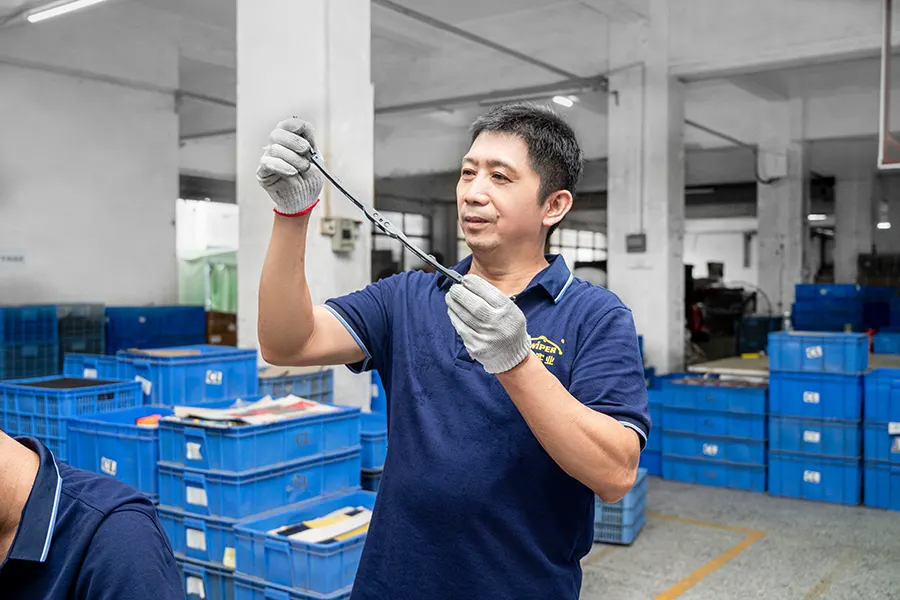
Müşteri Desteği ve Satış Sonrası Hizmet Nasıl Değerlendirilmeli?
Güvenilir bir tedarikçi satın alma döngüsü boyunca destek sağlamalıdır, teknik iletişim ve sipariş koordinasyonundan garanti işlemlerine ve satış sonrası sorun çözümüne kadar.
İletişim ve Sipariş Desteği
İyi tedarikçi iletişimi, üretim başlamadan önce sorunların önlenmesine yardımcı olur. B2B alıcıları, tedarikçinin teknik sorulara ne kadar net yanıt verdiğini değerlendirmelidir, ürün özelliklerini doğrular, paketleme gereksinimlerini karşılar, numune alma ve üretim sırasındaki değişiklikleri iletir.
Tedarikçi ayrıca satın alma için açık bir iletişim noktası sağlamalıdır., mühendislik, ve kaliteyle ilgili sorunlar. Hızlı yanıtlar faydalıdır, Ancak açık ve doğru iletişim spesifikasyonlar daha önemli, teslimat programları, veya ürün değişiklikleri koordinasyon gerektirir.
Sipariş vermeden önce, Tedarikçinin spesifikasyon değişikliklerini nasıl ele aldığını teyit edin, üretim güncellemeleri, denetim düzenlemeleri, ve nakliye belgeleri. Bu ayrıntıların sipariş doğruluğu ve tedarik sürekliliği üzerinde doğrudan etkisi olabilir..
Garanti, İddialar, ve Düzeltici Faaliyet
Satış sonrası destek, distribütör veya özel markalı bir markanın saha şikayetleri alması durumunda özellikle önem kazanmaktadır.. Alıcılar, uzun vadeli bir satın alma sözleşmesi imzalamadan önce tedarikçinin garanti koşullarını ve talep sürecini anlamalıdır..
kapsayan net prosedürler arayın:
- Garanti Talepleri: Kusurların nasıl raporlanacağını tanımlayın, belgelenmiş, gözden geçirildi, ve çözüldü.
- Değiştirme Desteği: Arızalı ürünlerin veya etkilenen partilerin nasıl ele alındığını ve değiştirildiğini doğrulayın.
- Kök Neden Analizi: Tedarikçinin tekrar eden sorunları araştırıp araştırmadığını ve belgelenmiş düzeltici eylemler sağlayıp sağlamadığını kontrol edin.
Yetenekli bir tedarikçi kusurlu ürünleri değiştirmekten daha fazlasını yapmalıdır. Bir kalite sorunu oluştuğunda, etkilenen partinin belirlenmesine yardımcı olacaktır, asıl nedeni araştırın, ve aynı sorunun tekrarlanmasını önlemek. Bu düzeyde bir destek, garanti maliyetlerini azaltabilir ve distribütörlerin müşteri ilişkilerini korumalarına yardımcı olabilir.
OEM Nasıl Doğrulanır?, ODM, ve Özelleştirme Yeteneği
OEM ve ODM kapasitesi logo baskısının ötesine geçer. Alıcılar tedarikçinin mühendislik kaynaklarını doğrulamalıdır, takım kontrolü, ve özel spesifikasyonları üretime hazır ürünlere dönüştürme yeteneği.
Mühendislik Yeteneği ve Ürün Geliştirme
Yetenekli bir OEM veya ODM tedarikçisi, mevcut bir katalog öğesini değiştirmek yerine ürün geliştirmeyi desteklemelidir.. Alıcılar inceleyebilir mühendislik çizimleri, 3D modelleri, adaptör tasarımları, takım kayıtları, ve ürün özellikleri Tedarikçinin teknik kaynaklarını değerlendirmek.
Anahtar sorular arasında takımları kimin kontrol ettiği yer alıyor, mühendislerin kanat yapılarını veya adaptörleri değiştirip değiştiremeyeceği, ve tedarikçinin çizim revizyonlarını ve teknik değişiklikleri nasıl yönettiği. Açık cevaplar, özelleştirilebilir ürünlerden oluşan bir katalogdan daha gerçek mühendislik kabiliyetinin daha güçlü kanıtını sağlar.
Özelleştirme ve Proje Doğrulaması
Özelleştirme bıçak özelliklerini içerebilir, adaptör sistemleri, ambalajlama, markalaşma, veya araca özel konfigürasyonlar. Seri üretimden önce, Alıcılar özelleştirilmiş bir numune veya prototip talep etmeli ve bunu onaylanmış gereksinimlerle karşılaştırmalıdır..
Özel etiketli projeler için, ayrıca sanat eseri onayını da açıklığa kavuşturun, takım sahipliği, spesifikasyon değişiklikleri, ve uygun olmayan ürünlerin sorumluluğu. Süreci yönetebilen bir tedarikçi üretime prototip gereksinimi uzun vadeli OEM'e daha iyi hazırlanır, ODM, ve özel silecek lastiği programları.
Tedarikçinin Alıcıların Dikkat Etmesi Gereken Kırmızı Bayrakları
Bir tedarikçinin uyumluluk ve test uygulamalarındaki erken uyarı işaretlerini tespit etmek, siz bir sözleşme imzalamadan önce maliyetli sevkiyat arızalarını ve garanti anlaşmazlıklarını önler.
Tedarikçi taraması sırasında birçok sinyal daha yakından ilgiyi hak ediyor:
- Belirsiz Üretim Kimliği: Şirket bilgileri, fabrika yeri, iş kapsamı, ve iddia edilen üretim faaliyetleri eşleşmiyor.
- Sınırlı Doğrulama Erişimi: Tedarikçi fabrika bilgilerine yönelik makul taleplerden kaçınır, üretim kanıtı, veya destekleyici belgeler.
- Tutarsız Bilgi: Ürün özellikleri, sertifikalar, şirket ayrıntıları, veya üretim iddiaları teklifler arasında farklılık gösteriyor, kataloglar, ve teknik belgeler.
- Zayıf Teknik İletişim: Satış ekipleri araç donanımıyla ilgili soruları net bir şekilde yanıtlayamıyor, özellikler, özelleştirme, veya üretim gereksinimleri.
- Açıklanamayan Düşük Fiyatlandırma: Malzemeler hakkında net bir açıklama yapılmadan verilen fiyat teklifi, rakip tekliflerden önemli ölçüde daha düşüktür, özellikler, Adedi, veya diğer maliyet farklılıkları.
- Numune-Üretim Aralığı: Seri üretilen bıçaklar görünüş olarak onaylı örneklerden belirgin şekilde farklılık gösterir, uygunluk, silme performansı, veya paketleme.
- Belirsiz Ticari Şartlar: Garanti kapsamı, değiştirme prosedürleri, teslim süreleri, ödeme koşulları, veya uygun olmayan malların sorumluluğu belirsizliğini koruyor.
Bir uyarı işareti tedarikçiyi otomatik olarak diskalifiye etmez. Fakat, Alıcı hassas spesifikasyonları paylaşmadan veya büyük bir sipariş taahhüt etmeden önce çözülmemiş birkaç sorun ek doğrulamayı tetiklemelidir. Önemli olan tanımlamaktır çözülmemiş tedarikçi riskleri erken, ele alınması hala daha kolay ve daha az maliyetli olduğunda.
Doğru Tedarikçiyi Puanlama ve Seçme
Tedarikçi puan kartı, B2B alıcılarına silecek lastiği tedarikçilerini karşılaştırma ve ürün kalitesini dengeleme konusunda tutarlı bir yol sağlar, tedarik kapasitesi, ticari şartlar, ve uzun vadeli destek.
Pratik Bir Tedarikçi Puan Kartı Oluşturun
Fiyat tek başına nihai kararı belirlememelidir. Kalite sorunları olduğunda daha düşük bir teklif avantajını kaybedebilir, gecikmiş gönderiler, veya satış sonrası desteğin zayıf olması toplam tedarik maliyetini artırır.
Kısa listedeki tedarikçileri karşılaştırmak için aşağıdaki çerçeveyi kullanın:
| Değerlendirme Alanı | Temel Faktörler | Öncelik |
|---|---|---|
| Ürün kalitesi | Kanıtları test edin, Kalite kontrol tutarlılığı, özellikler, ve kusurların ele alınması | Yüksek |
| Üretim Yeteneği | Üretim kapasitesi, teçhizat, takımlama, ve siparişin yerine getirilmesi | Yüksek |
| Ticari Şartlar | Fiyat, Adedi, kurşun zamanı, ödeme koşulları, ve toplam maliyet | Orta-Yüksek |
| OEM & Özelleştirme | Mühendislik desteği, takımlama, prototipler, ve özel etiketli yürütme | Proje bazlı |
| Destek & Risk | İletişim, garanti, düzeltici eylem, ve tedarik riskleri | Yüksek |
Ağırlıklandırma, alıcının iş modeliyle eşleşmelidir. Örneğin, distribütörler tedarik esnekliği ve araç kapsamına daha fazla ağırlık verebilir, özel markalı markalar OEM kapasitesine öncelik verebilirken, kalite tutarlılığı, ve destek.
Hem Puanı hem de Tedarikçi Riskini İnceleyin
Yüksek puan, tedarikçiyi otomatik olarak uygun hale getirmez. Alıcılar puanın yanı sıra çözülmemiş riskleri de incelemelidir, özellikle tedarikçinin belgeleri zayıfsa, sınırlı kapasite, veya kalite sorunlarına ilişkin belirsiz sorumluluk.
Onaylanmadan önce, Tedarikçinin kararlaştırılan şartları yerine getirebileceğini teyit edin ürün özellikleri, sipariş gereksinimleri, teslimat şartları, özelleştirme ihtiyaçları, ve satış sonrası sorumluluklar. En iyi tedarikçi sadece en düşük fiyata sahip olan değildir, ancak genel yetenekleri ve risk profili satın alma programına uygun olan kişi.
Tutarlı bir puan kartı gelecekteki tedarikçi incelemelerini de kolaylaştırır. Tedarik ekipleri yeni teklifleri karşılaştırırken aynı çerçeveyi kullanabilir, mevcut tedarikçilerin gözden geçirilmesi, veya tedarik riskini azaltmak için ikinci bir kaynağın eklenmesi.
Son Düşünceler
Güvenilir silecek bıçağı tedarikçisi Rekabetçi fiyatlandırmadan daha fazlasını sağlamalıdır. Üretim yeteneği, kalite kontrol, ürün tutarlılığı, teslimat güvenilirliği, OEM desteği, ve satış sonrası hizmetlerin tamamı uzun vadeli kaynak bulma riskinizi etkiler. Yapılandırılmış bir tedarikçi değerlendirmesi, B2B alıcılarının daha büyük siparişlere başlamadan önce bu faktörleri doğrulamasına yardımcı olur.
-Den KIRPICI , distribütörleri destekliyoruz, satış sonrası markalar, ve silecek lastiği üretimi yapan özel markalı alıcılar, özelleştirme, ve tedarik çözümleri. Ürün gereksinimlerinizi görüşmek için ekibimizle iletişime geçin, üretim örnekleri isteyin, ve pazarınıza uygun bir OEM veya toptan satış programını keşfedin.
Sıkça Sorulan Sorular
Bir silecek lastiği tedarikçisinin gerçek bir üretici olup olmadığını nasıl doğrulayabilirim??
Tedarikçinin fiziksel fabrikasını kontrol edin, üretim ekipmanları, üretim süreçleri, iş kaydı, ve üretim kayıtları. Yerinde denetim veya canlı fabrika doğrulaması, tedarikçinin silecek lastiklerini kendi bünyesinde mi ürettiğini yoksa ağırlıklı olarak dış kaynak üretimine mi güvendiğini doğrulamaya yardımcı olabilir.
Silecek lastiği tedarikçisinden hangi belgeleri talep etmeliyim??
B2B alıcıları kalite sertifikaları talep edebilir, ürün özellikleri, ilgili test raporları, malzeme dokümantasyonu, muayene kayıtları, ve izlenebilirlik bilgileri. Özelleştirilmiş projeler için, teknik çizimleri de inceleyin, ambalaj özellikleri, Onaylanmış ürün gerekliliklerini tanımlayan belgeler ve belgeler.
Bir silecek lastiği tedarikçisi OEM ve özel etiket projelerini destekleyebilir mi??
Yetenekli bir OEM ve özel etiket tedarikçisi, logo baskısından daha fazlasını desteklemelidir. Alıcılar mühendislik desteğini kontrol etmelidir, ürün özelleştirme, takımlama, prototipler, ambalajlama, tasarım kontrolü, ve numune onayı. CLWIPER, ürün özelleştirmesi de dahil olmak üzere OEM/ODM hizmetleri sağlar, logo özelleştirme, ambalaj özelleştirme, ve örnek geliştirme.
Silecek lastiği tedarikçileri arasında MOQ ve fiyatları nasıl karşılaştırmalıyım??
Teklif edilen birim fiyattan daha fazlasını karşılaştırın. Minimum Sipariş Adedi'ni inceleyin, takım ve paketleme maliyetleri, kurşun zamanı, ödeme koşulları, nakliye masrafları, ürün özellikleri, ve beklenen kusur veya değiştirme maliyetleri. Esnek MOQ'a ve istikrarlı üretime sahip bir tedarikçi, en düşük başlangıç teklifi veren tedarikçiden daha iyi bir genel değer sunabilir.
Bir silecek lastiği tedarikçisinin satış sonrası hizmetinde neleri kontrol etmeliyim??
Tedarikçinin kusurlu partileri nasıl ele aldığını doğrulayın, garanti talepleri, yedek ürünler, geri döner, teknik sorular, ve düzeltici eylemler. Daha büyük B2B programları için, Seri izlenebilirliği ve belgelenmiş sorun çözme prosedürleri özellikle değerlidir çünkü garanti kapsamını sınırlamaya ve alt müşteri ilişkilerini korumaya yardımcı olurlar..