When importers start sourcing wiper blades from overseas, most attention goes to price, calidad, and lead time. Compliance only comes into the picture when a shipment is already on the water and customs begins to ask questions. That is usually when people discover how much a small mistake in HS classification, documents, or country of origin can affect clearance time and final landed cost. A clear compliance process turns wiper blade imports from a source of surprises into a predictable part of your business, whether you are a wholesaler, brand owner, or online seller.
What Can Go Wrong When You Import Wiper Blades
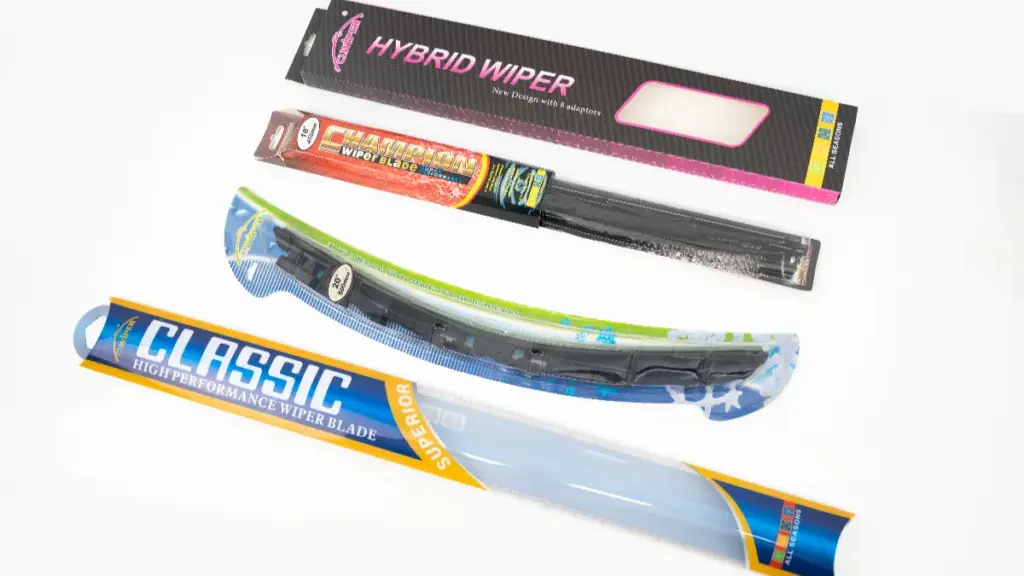
Typical issues include using the wrong wiper blade HS code, declaring the wrong country of origin, or submitting an invoice that does not match the packing list. Any of these can trigger a customs query, extra document requests, or a full inspection of the container. In many markets that means storage charges, demurrage, and in serious cases administrative penalties.
For automotive parts importers, the reputational impact is just as important. Late deliveries due to clearance problems can cost you shelf space at retailers, ratings on online platforms, and trust from local distributors. Treating customs compliance as part of your sourcing strategy, not as a separate headache, is what allows you to scale your wiper blade business across multiple markets.
Getting the HS Code Right for Wiper Blades
| HS Code | Description | Details/Application |
|---|---|---|
| 4016.99.5050 | Vulcanized rubber windshield wiper blades | Double-edged, ~18 inches long, with plastic spine and steel retainer clip; essential character from rubber wiping portion; duty 5.3% ad valorem |
| 8512.90.9000 | Parts of windscreen wipers for cycles/motor vehicles | E.g., complete assemblies claimed under this but often reclassified |
| 8512.40.00 | Windscreen wipers, defrosters, demisters | HS heading level for motor vehicle/cycle use, Chapter 85 |
| 8479.90.9595 | Wiper arm and blade assemblies for non-motor vehicles | For applications like wheel loaders; includes steel base with vulcanized rubber blade; often duty free |
Correct HS classification is the foundation of compliant importing. For complete windscreen or windshield wipers, the primary global reference is HS code8512.40, which covers windscreen wipers and defrosters for motor vehicles. Many countries simply use 85124000 at eight digits as the standard code for wiper assemblies.
In practice, you will see several common patterns:
- EU and many other markets: 8512.40 o 85124000 for complete wiper systems and blades
- United States: 8512.40.40 specifically for windshield wipers, mandatory from September 1, 2025
- Rubber refills sold separately: sometimes classified under 4016.99 as vulcanized rubber articles, based on material and presentation
- Parts such as arms or linkages: often 8512.90 or related automotive parts headings where the part is clearly specific to a vehicle type
The challenge for many importers is that wiper blades sit very close to several other automotive HS headings. Some generic declarations push wipers into general “motor vehicle parts” categories, which can attract different duty rates or miss special rules for electrical windscreen wipers. To avoid disputes, it is good practice to:
- Align with official tariff schedules in your destination market
- Keep product descriptions clear: “windshield wiper blades, flat type, for passenger cars” is more helpful than “auto accessories”
- Ask your customs broker to confirm the HS code for each product family before you place large orders
Once you settle on the right HS code for your wiper blades in a specific country, stay consistent. Sudden changes in classification from one shipment to the next can attract unwanted attention from customs auditors.
Core Documents Every Wiper Blade Shipment Needs
No matter which country you are importing into, a wiper blade shipment without the right core documents will struggle to clear. A solid customs documentation pack usually includes at least these four items.
Commercial invoice
The commercial invoice captures the commercial details of the wiper blade order: product description, HS code, unit price, total value, currency, Incoterms, and payment terms. Customs uses it to assess duties and taxes, so clarity and consistency are critical.
Packing list
The packing list describes how the wiper blades are packaged: number of cartons, pieces per carton, net and gross weight, and dimensions. It should match the invoice line by line. Differences between invoice and packing list are one of the most common causes of customs delays.
Bill of lading or air waybill
For sea freight, the bill of lading (BL) is the contract of carriage and the receipt for the goods. For air freight, the air waybill (AWB) plays a similar role. These documents show who is shipping the goods, who receives them, the loading and destination ports, and basic cargo details.
Certificate of origin (CO)
The CO confirms that the wiper blades were manufactured in a specific country, for example China. It is important for applying preferential duty rates under trade agreements and for markets where origin influences whether import is allowed or restricted.
Depending on the destination country and customer requirements, you may also need test reports for REACH, RoHS, or automotive performance standards. A manufacturer experienced in exporting wiper blades can usually help you prepare these documents or provide existing certifications.
Extra Compliance Checks for Key Markets (EU, US, Others)
Beyond HS codes and basic documents, each major market for wiper blades has its own compliance details that importers should understand.
European Union
The EU market expects more than just a correct HS code and invoice. Importers of wiper blades must ensure that all materials comply with REACH requirements, especially regarding SVHCs in rubber and plastic components. RoHS and ELV rules are relevant when electrical components or vehicle integration are considered. On the performance side, UNECE Regulation No. 43 and related automotive standards set expectations for wiper durability and visibility. EU customs may also ask for supporting test reports when they see high volumes of automotive parts.
United States
In the US, using the correct HTS code is essential. Windshield wipers are classified under HTS 8512.40.40, while certain blades or refills may fall under other headings like 4016.99 based on composition and functionality. Importers should also remain alert to any anti‑dumping or countervailing duty measures that might affect automotive parts from specific origins. Labelling rules require accurate “Made in …” origin markings on the packaging.
Other markets (Australia, Oriente Medio, ASEAN)
Australia follows its own tariff schedule based on the HS system and expects accurate origin and value declarations for automotive parts. Some Middle Eastern countries require pre‑registration of importers and product information through their national systems. ASEAN markets vary: some are relatively flexible on technical certifications for wipers but strict on proper documents and original signatures.
Before confirming a large wiper blade order, importers should ask two questions:
- What technical or chemical compliance documents will my customer or local regulator ask for?
- Does my current supplier already have these reports and certificates, or do we need to plan extra lead time for testing?
How to Work With Your Freight Forwarder and Customs Broker on Wiper Shipments
A reliable freight forwarder and a competent customs broker are key partners in any wiper blade import project, but their roles are not the same. The freight forwarder plans and executes transport. The customs broker focuses on declarations, HS codes, and local compliance.
To get the best result, share complete and accurate information with them early:
- Product details: type of wiper blades, materiales, intended vehicle use
- Suggested HS code and origin: what your supplier uses for similar shipments
- Documents in hand: invoices, packing lists, COs, test reports
A good customs broker will review your classification, suggest corrections, and highlight any special requirements for automotive parts in your target market. For regular shipments, keep the same broker whenever possible. Con el tiempo, they learn your product range and customs history, which reduces errors and speeds up clearance.
Building a Simple Compliance Checklist for Each Wiper Order
Compliance becomes much easier when you standardize it. A short checklist that your team follows for every purchase order can prevent many avoidable problems.
A practical wiper blade import checklist could include:
- HS code confirmed for this product and this destination market
- Commercial invoice aligned with packing list on product description, quantity, y valor
- Certificate of origin prepared and signed, showing the correct producer and country
- Any required test reports for REACH, RoHS, or local automotive standards on file
- Packaging and labels checked for correct origin marking and product description
- Freight forwarder and customs broker briefed with full document pack before shipment departs
- Copies of all documents stored centrally for future audits or repeat orders
Con el tiempo, you can customize this checklist by market. Por ejemplo, one version for EU wiper imports with more environmental compliance points, and another for price‑sensitive markets that focus more on basic customs paperwork.
Where to Find the Right Wiper Blade Manufacturer?
Once you understand the rules for HS codes and documents, the next step is working with a factory that already builds compliance into their daily work. You want a wiper blade manufacturer that not only makes good products, but also ships them smoothly into markets like Europe, the US, Korea, Australia and Southeast Asia.
A reliable partner should have stable capacity, clear QC, and export experience with OEMs, wholesalers and online sellers. They should also be comfortable preparing commercial invoices, packing lists and certificates of origin the way your customs broker expects to see them.
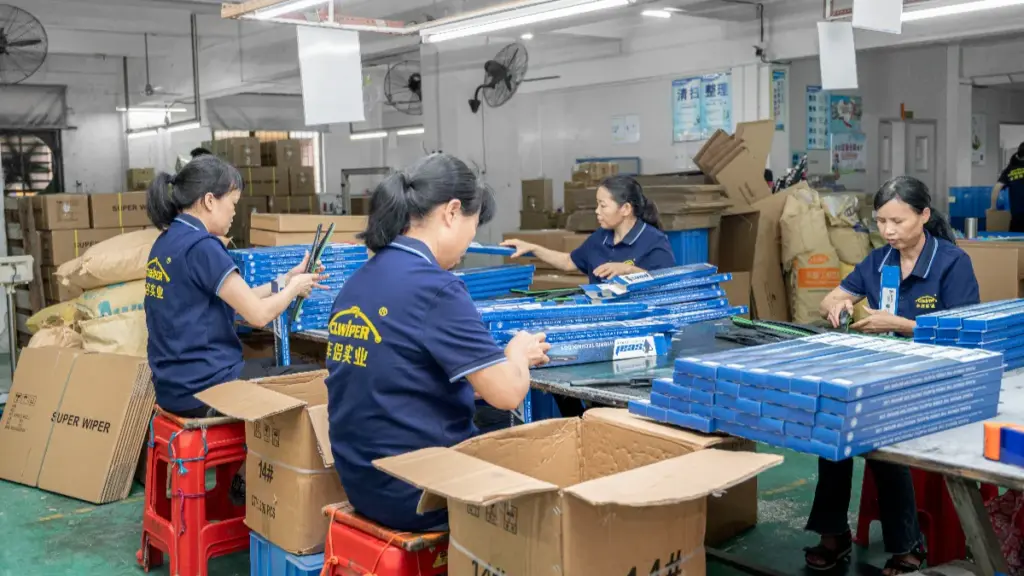
CLÍPER (Cantón C&L Auto Accessories) focuses on wiper blades and supplies soft, marco, multifunction and rear wipers to buyers in more than 70 países, backed by an ISO 9001 certified factory and CE‑approved products. With around 5,000 square meters of workshop space in Dongguan and a monthly capacity of about 800,000 piezas, we are able to support both small trial orders and stable, repeated container shipments.
If you are planning a new wiper project or want to upgrade your existing supplier base, you can contact us to discuss the models you need, your target price range, and the packaging style that fits your market.
Preguntas frecuentes
What is the HS code for wiper blades?
Most wiper blades for vehicles are classified under HS 8512.40 at six digits, with 85124000 used by many countries. In the US, windshield wipers fall under HTS 8512.40.40. Rubber refills may fall under 4016.99 based on material and presentation.
Do I really need a certificate of origin for wiper blades?
In many markets you do, especially if you want to benefit from preferential duty rates under trade agreements or avoid extra questioning on origin. A CO is standard practice for automotive parts imports from China.
What EU regulations affect wiper blade imports?
You should pay attention to REACH and RoHS for material and substance compliance, and to UNECE and related automotive performance standards in terms of product quality expectations.
Can my freight forwarder handle all compliance for me?
A freight forwarder manages shipment routing and booking, while a licensed customs broker handles declarations and HS classification. Some companies provide both services, but you should still understand the basics so you can check that your wiper blades are declared correctly.
How can a wiper blade manufacturer help with compliance?
A manufacturer experienced in exporting wiper blades can provide correct HS codes, complete commercial documents, origin certificates, and relevant test reports. They can also coordinate with your forwarder and broker when questions arise, which often saves time at customs.