When a wiper blade will not lock into place, the cause is usually one of four things: the adapter does not match the arm end, the adapter is fitted in the wrong orientation, something is blocking the lock, or the clip itself is damaged. Forcing it is the step that turns a fitment question into a broken blade.
This article is a troubleshooting sequence for installers and for the support desk that answers their messages. It assumes the connector types themselves are already understood: identifying every interface is a separate topic, and we will not walk through all of them again here.
Is the Adapter Correct for Your Wiper Arm?
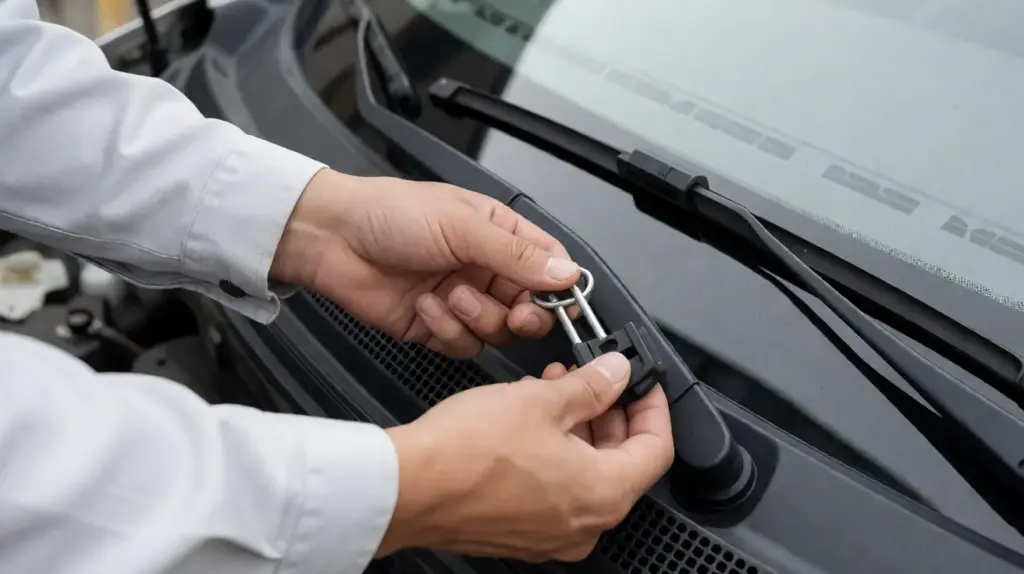
Start here, because it is the most common answer and the cheapest to check. The arm end and the blade adapter are two separate systems, and a blade that is the correct length for the vehicle can still be the wrong article for that arm.
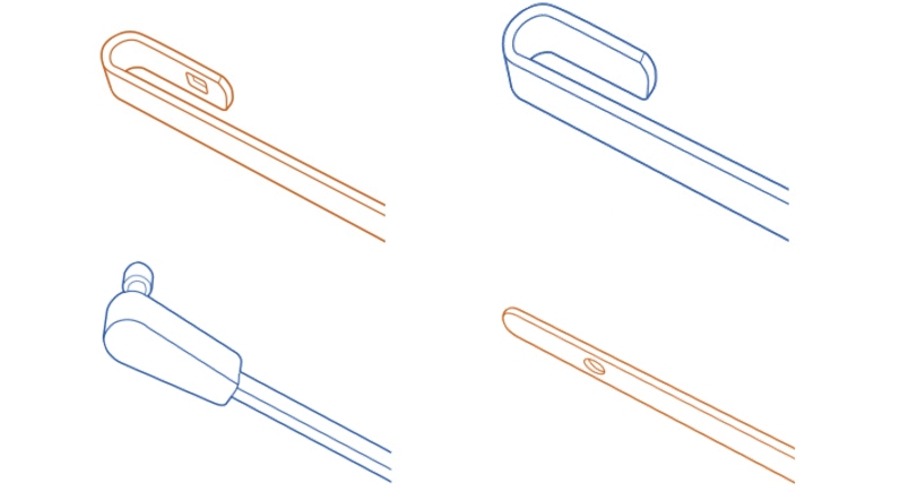
Three checks before any force is applied:
- Look at the arm end, not at the vehicle name. Take the old blade off first and photograph what is left on the arm. Two model years of the same car can carry different arm ends, and the position matters: driver side, passenger side and rear window often use different interfaces even when the lengths are similar. If the part on the arm is unfamiliar, our illustrated breakdown of wiper blade connection types matches each arm end by shape.
- Match the adapter to that arm end, then match the article to the vehicle. Length charts answer how far the blade sweeps; they do not answer how it attaches. If both checks pass, you have a fitment. If only one passes, you have a return.
- Check that the right insert was chosen from a multi-adapter kit. This is where a lot of “will not lock” messages actually come from. A kit that ships several clips often has two pieces of similar size with different openings, and the wrong one sits on the arm loosely while the housing refuses to close.
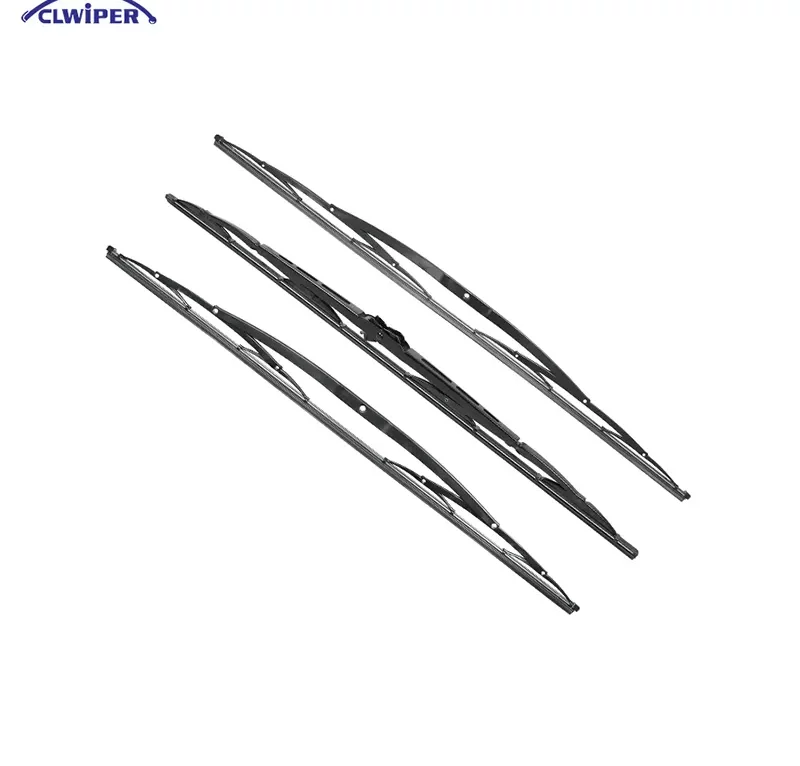
Kit coverage claims deserve the same care on both sides of the transaction. A blade sold as fitting a hook-type arm on most cars, such as our POM adaptor beam blade for U-hook arms, is a statement about an arm type, not about every vehicle on the road. A wider set, like the snow blade supplied with ten adapters, still asks the installer to identify one specific adapter for one specific position. Before publishing a listing, confirm which arm end each supplied adapter is intended for and state it that way.
Is the Adapter Oriented and Seated Correctly?
Correct part, wrong rotation. Adapters are usually directional: which way the opening faces, which way the release tab points, and whether a cover plate or housing has to be swung open before the arm enters. A quarter-turn out of position produces exactly the symptom in the headline, because the locking feature is now engaging air instead of the arm end.
Work through it in the order the product’s own instructions expect:
- Remove everything that came with the blade. Packaging guards, end protectors and the small clips that hold the element straight are easy to leave behind on the adapter side, and some of them sit directly in the path the arm end travels.
- Fit the adapter to the blade away from the vehicle, if the design works that way. Many multi-adapter blades are assembled on the bench, then presented to the arm. Some are not. Follow the installation leaflet or video supplied with the article you sold, and do not blend the two methods.
- Open the housing or cover fully before inserting. A half-open cover blocks the arm end short of the keeper and prevents the lock from closing the last few millimetres.
- Insert along the arm’s own axis, not at an angle. Angled entry is how a plastic ear gets cracked without anything visibly wrong.

We deliberately do not give a universal push-and-click instruction here. The motion differs between a bayonet-style housing, a hook that has to travel into a keeper, and a side-entry clip, and a general “press until it clicks” line is what breaks the housings. The full removal and refit sequence for a standard front blade is in our windshield wiper blade replacement guide; use it for the mechanical steps and this section for the diagnosis.
Is a Damaged Clip or Obstruction Blocking the Lock?
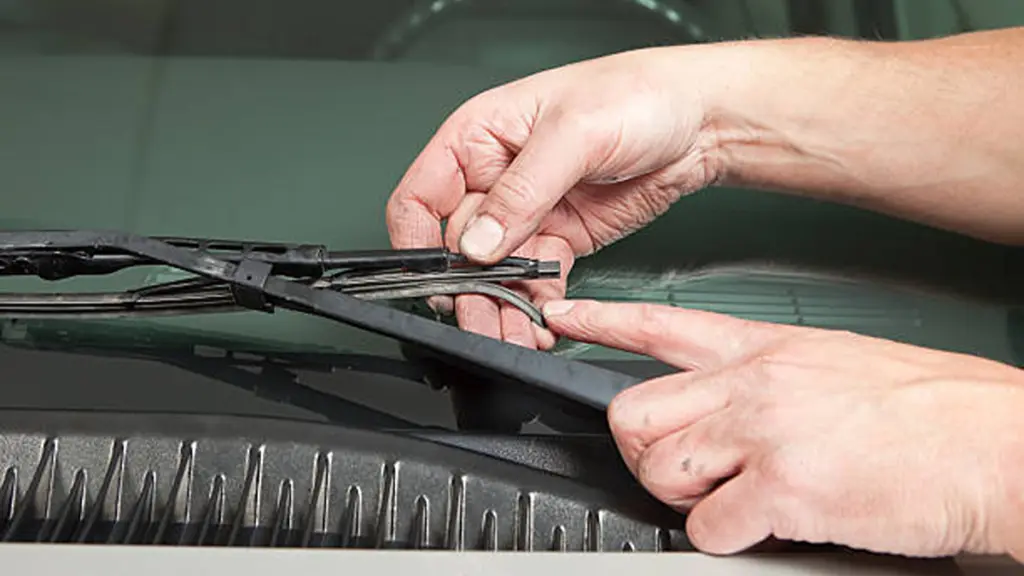
When the part is right and the orientation is right, look for something in the way. Separate the possibilities before deciding whether the fault is in the new blade, the arm, or the installation.
| What to look for | How it shows up | What it usually means |
|---|---|---|
| Missing insert | The adapter the arm needs is not in the kit, or fell out during unpacking | Check the packing list before blaming the blade; count what should be there |
| Cracked housing or ear | Housing closes but springs back open, or will not close at all | Stop. A cracked locking feature is not a seating problem |
| Deformed metal clip | The steel tab sits wide of its normal position after transit or a previous forced fit | Compare with a known-good unit before deciding who is at fault |
| Foreign material | Ice, 道路の汚れ, or a fragment of the old blade’s adapter inside the keeper | Clean and dry the arm end, thaw ice, then retry once |
| Leftover adapter on the arm | The old blade’s clip was never removed, so the new adapter has nothing to grip | Common on hook-type arms; photograph the arm before fitting |
| Physical interference | The blade shoulder contacts the arm bend or the cowl before the lock reaches position | Usually an arm or blade-shape mismatch, not a seating error |
Stop trying when any of these are true: a plastic part is cracked or white-stressed, the metal clip is visibly out of line, the housing will not close after a second clean attempt with the correct adapter, or the fit needs more than hand pressure. Continuing past that point is how a fitment question becomes a damaged arm, and on a multifunctional or adapter-agnostic blade line it also destroys the only evidence of what the arm end actually looked like.
How Can You Confirm That the Blade Is Secure?
Do not rely on the sound. Some designs give a sharp click, some give a dull one, and some make a click when the housing closes without the locking feature fully engaging the arm. A noise is a cue, not a confirmation.

Confirm it the way a supplier’s quality check would:
- Look at the junction. The arm end should sit fully inside the keeper with no gap, and any cover or housing should be closed flush against its own seat.
- Pull along the arm axis with hand pressure, ignition off. Grasp near the connection and pull in the direction the blade would come off. A correctly locked blade does not travel.
- Check the release feature is not the thing you pulled. On several designs it is possible to squeeze the release tab while testing and release the blade you thought you had just verified.
- Run the full sweep on a wet screen. Washer first, then the wipers, watching both positions for a blade that lifts, skids sideways or changes its angle of contact.
- Re-check after a short drive. Vibration and the first freeze-thaw cycle settle new parts, and a marginal fit tends to announce itself here.
This matters commercially as well as technically. A blade that detaches in use stops clearing the area it was fitted to clear, which is the whole function of the system: NHTSA puts it plainly in an interpretation letter on FMVSS No. 104, stating that the essential feature of a windshield wiper system, from a safety standpoint, is its ability to clear a specific portion of the windshield. The same letter notes that 49 U.S.C. 30122 prohibits manufacturers, 販売代理店, dealers and motor vehicle repair businesses from knowingly making inoperative any device or element of design installed on a vehicle in compliance with an applicable standard when they modify it after the first retail sale. For a distributor whose product reaches installers in the US market, that is the reason a “does it click” check in the training leaflet is worth the page it costs. If the fitment itself is uncertain, our guide to which type of wiper blade a vehicle needs is the right place to start the conversation instead.
What Should You Send the Supplier If It Still Will Not Lock?
A short, structured message gets answered; a photo of a box does not. The minimum set below is what lets a manufacturer or exporter tell a wrong-application case from a damaged-part case without a second round of questions.
| Information | Format that works | Why the supplier needs it |
|---|---|---|
| Vehicle application | Year, brand, モデル, ボディスタイル, 市場, and the position that failed | Arm ends change within a model run and differ by position |
| Product identity | Model or part number, batch or lot code, quantity affected | Separates one install from a batch-level issue |
| Arm end, before fitting | Daylight close-up from the side, plus a coin or ruler for scale | Identifies the interface type; the one photo most often missing |
| Adapter used | Photo of the adapter on the blade and its code marking, plus every other insert in the kit laid out | Shows whether the correct insert was selected |
| The junction in the failed state | Side and top view, in focus, showing the gap | Distinguishes obstruction from deformation |
| Short video | 10 に 20 seconds of the attempt, hands visible | Shows how far it enters and where it stops |
| What was already checked | Two or three lines: adapter swapped, orientation reversed, arm cleaned, other position tried | Prevents a repeat of steps already ruled out |
Set expectations on both sides when you write that table into your own support process. A replacement blade is usually straightforward to arrange; a single loose adapter is not. Adapters are packed and costed as part of an article, and availability of one clip on its own depends on the product line and the quantity, so the honest answer to “can you just send me the piece” is often “we will check, and the practical route may be a matched blade.” Promising a spare clip before checking turns a fitment query into a service failure.
Send Us the Connection Photo
FAQs About Wiper Blades That Will Not Lock
If there was no click, is the blade definitely not locked?
必ずしもではありません. Loudness varies by design, and some housings make a noise without the locking feature engaging the arm. The test that counts is visual: the arm end fully inside the keeper, the cover closed flush, and no movement when you pull along the arm axis with hand pressure.
Can I just keep pushing harder until it locks?
いいえ. If the correct adapter in the correct orientation will not close after a second clean attempt, extra force cracks the housing, bends the clip or deforms the arm end, and it removes the evidence you need for a claim. Stop, photograph the arm, and re-check the application.
Can I reuse the adapter from the old blade?
Only if the new blade is designed to accept it and the supplier’s instructions say so. Many adapters are moulded to one blade’s locking feature and are single-use once clipped in; others are supplied loose precisely so they can be transferred. Check the product documentation rather than assuming, and note which choice was made for future claims.
The length is correct. Why will it still not fit?
Because length and attachment are decided by different things. The size chart answers what the vehicle’s sweep area needs; the arm end answers how a blade holds on. Same car, different model year, different supplier arm, driver side versus rear window, or a leftover clip from the previous blade, and a correctly sized blade will still refuse to lock.
The locking clip is broken. Can I glue it?
いいえ, and this is worth stating plainly to installers. The joint sees cyclic load, 振動, temperature swings and water, and adhesives do not hold a cracked locking feature under those conditions. A blade that releases in use stops clearing the area it was fitted for. Replace the blade or the adapter, and send the broken part’s photos to the supplier so the cause is recorded.