Entering the wiper blade market is not only difficult because of competition. The bigger challenge is finding a position that large brands are not already controlling. Many new distributors and private label brands fail because they enter overcrowded categories without clear differentiation.
Successful companies usually focus on specific gaps in climate demand, vehicle segments, sales channels, or regional markets. This article explains how to identify less competitive opportunities, build a clear positioning strategy, and match it with real operational capabilities.
Why the Wiper Blade Market Still Has Hidden Growth Gaps

Although the wiper blade market is highly competitive, it is not evenly developed. Large manufacturers mainly focus on high-volume global SKUs, which leaves room in smaller but more specialized segments.
Why Mass-Market Focus Leaves Gaps
Large suppliers are typically built around scale efficiency and standardized production. Their systems are optimized for:
- Standardized SKUs: Products designed for large-scale global distribution
- High-volume production: Manufacturing systems focused on efficiency and stable output
- Mainstream retail programs: Product strategies centered on passenger vehicle demand
However, smaller segments often require faster product adjustments, lower-volume production, and more regional customization. These requirements do not always fit large-scale manufacturing structures, especially when demand is fragmented or limited in volume.
How Regional and Vehicle Demand Creates Gaps
Different regions create different technical requirements for wiper performance. Climate, road conditions, and vehicle platforms all influence product design.
| Market Segment | Product Demand |
|---|---|
| Cold climates | Snow blades and low-temperature rubber |
| Hot climates | UV-resistant materials and heat durability |
| Commercial fleets | Heavy-duty and long-life systems |
| Regional vehicles | Exact-fit connectors and adapters |
These segments are less competitive because they require more engineering adaptation and deeper regional product understanding.
Why Specialized Segments Compete Beyond Price
In specialized markets, purchasing decisions are not driven only by cost. Buyers focus more on long-term performance and supply reliability.
Typical priorities include:
- Product durability: Stable performance under harsh conditions
- Supply consistency: Reliable replenishment for ongoing demand
- Fitment accuracy: Correct application across vehicle types
- Technical support: Faster matching and installation support
Therefore, competition shifts from price comparison to total operating value. This creates stronger opportunities for suppliers that combine specialization with stable OEM/ODM support.
Which Wiper Market Segments Are Less Competitive

Not all aftermarket segments face the same level of competition. Passenger car blades are highly saturated, but several niche areas still offer space for new suppliers and flexible OEM/ODM manufacturers.
Climate-Specific Markets
Weather is one of the strongest drivers of product differentiation in the wiper industry. Different climates create different performance requirements, which makes localized product strategies more effective than global standardization.
For example:
- Cold-weather regions: Snow blades, ice-resistant structures, and low-temperature rubber compounds
- Hot-climate markets: UV-resistant materials and stronger heat durability under long-term sun exposure
Because these conditions vary widely by region, real-world performance often matters more than brand recognition. This creates clear opportunities for suppliers that can adapt blade structures and materials to local environments.
Commercial and Fleet Opportunities
Commercial vehicles remain one of the most stable long-cycle aftermarket segments. Fleet operators focus more on operating efficiency than branding, especially when managing large vehicle volumes.
Compared with passenger car markets, fleet buyers usually prioritize:
- Longer durability: Reduced replacement frequency and lower maintenance downtime
- Stable supply: Reliable inventory support for continuous fleet operation
- Cost control: Better total operating value instead of the lowest unit price
- Technical support: Faster fitment matching across different vehicle platforms
As a result, heavy-duty and commercial applications often face lower direct competition than mainstream passenger vehicle segments.
Private Label and Regional Gaps
More distributors and importers are building private label brands instead of relying only on global retail suppliers. This shift continues to increase demand for flexible OEM/ODM manufacturing support.
Key advantages include:
- Pricing control: Better margin management in regional markets
- Brand ownership: Stronger long-term identity and customer loyalty
- Market flexibility: Faster response to local demand changes
At the same time, many buyers require lower MOQ, mixed SKU orders, customized packaging, and faster sampling. These requirements are often difficult for large manufacturers to support efficiently, which creates opportunities for more agile suppliers.
Maximize ROI with Premium OEM Wiper Blades
How to Build a Clear Position Around Your Target Market

Finding opportunity is only the first step. Real growth comes from building a clear position that matches customer needs and operational capability.
Region-Focused Positioning
Some companies succeed by focusing on specific regions instead of competing globally.
For example:
- Cold-weather markets: Snow blades and low-temperature rubber compounds
- Hot-climate regions: Heat-resistant materials with stronger UV durability
- Regional vehicle platforms: Exact-fit connector systems for local car models
This approach improves alignment with local demand and reduces direct competition with global brands.
Channel-Focused Positioning
Different sales channels prioritize different competitive strengths. Choosing the right channel focus helps companies avoid competing across every market at once.
| Channel | Focus |
|---|---|
| E-commerce | Packaging and SKU coverage |
| Fleet supply | Durability and cost stability |
| Private label | Customization and flexibility |
Each channel requires a different operational focus, so companies should avoid trying to compete in all channels at once.
Product-Focused Positioning
A strong market position must match real operational capability. Without this alignment, even strong branding will fail in execution.
Common specialty categories include:
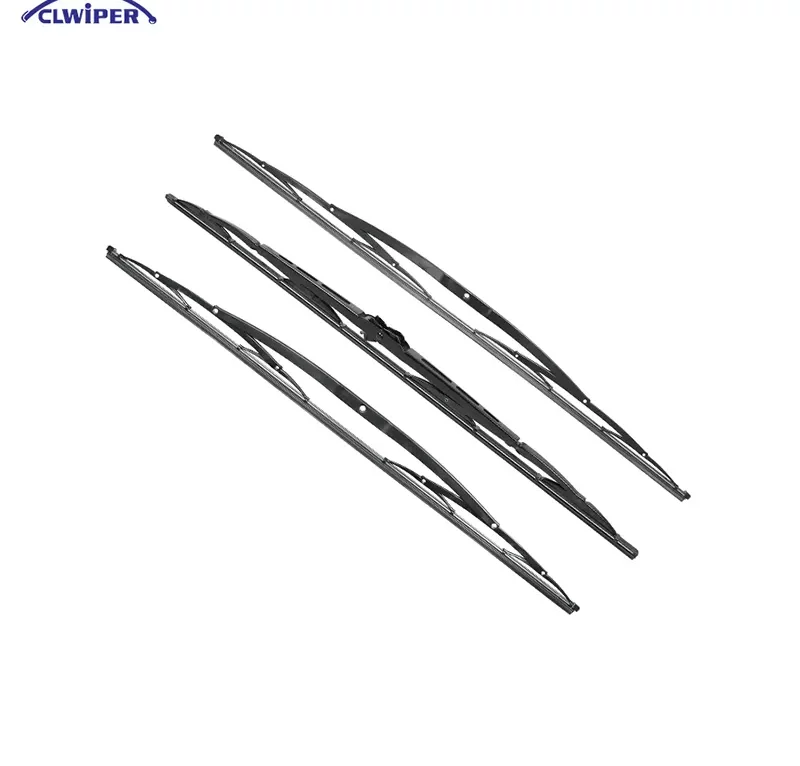
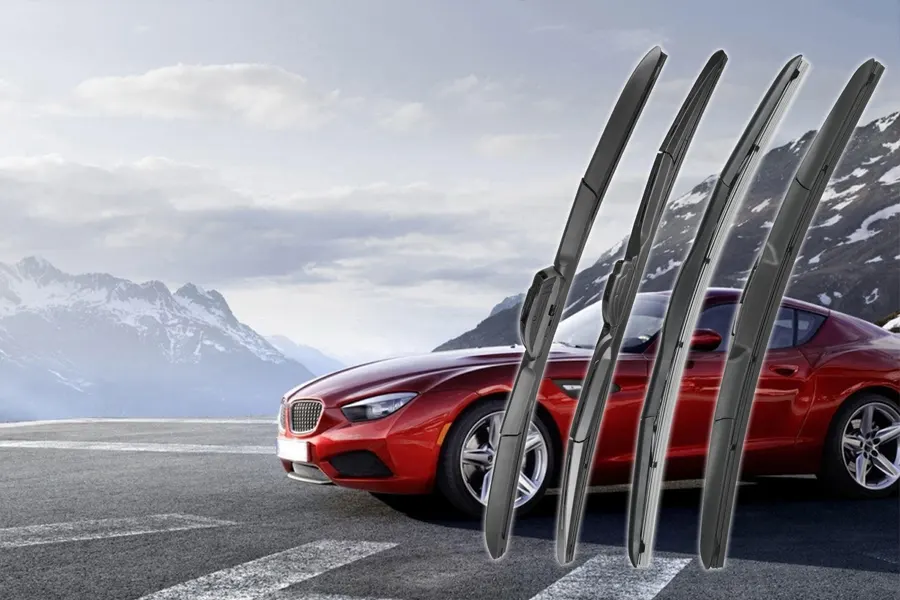
- Beam wiper blades: Aerodynamic performance for modern vehicles
- Hybrid wiper blades: Improved structure stability and durability
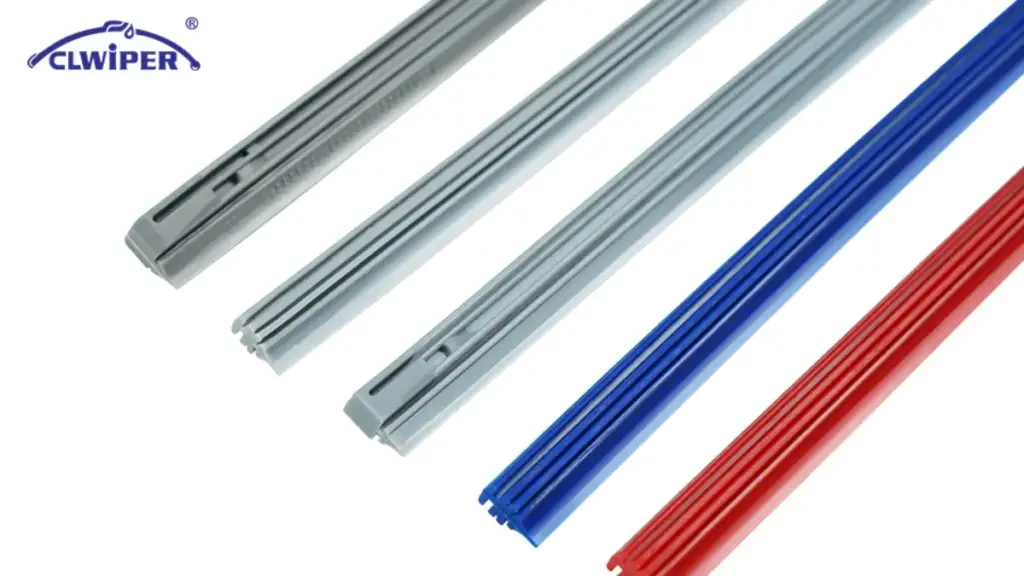
- Silicone wiper systems: Longer service life and smoother wiping
- Heavy-duty commercial blades: Solutions for trucks and fleet vehicles
Instead of entering every segment immediately, focused category development usually creates more sustainable long-term growth.
Why Positioning Must Match Your Real Business Capabilities

One of the most common mistakes in the aftermarket industry is building a market position that operations cannot support. Strong branding alone cannot fix unstable quality, slow delivery, or inconsistent production performance.
Manufacturing and MOQ Reality
Every positioning strategy depends on real production capacity. Different market goals require different manufacturing setups.
For example:
- Premium positioning: Needs stable quality and low defect control
- Fleet programs: Require consistent volume production and supply stability
- E-commerce growth: Depends on SKU efficiency and flexible packaging
- Regional distribution: Often needs flexible MOQ and mixed container loading
When a company promises customization without flexible production systems, customer trust breaks quickly.
Quality and Delivery Stability
In B2B wiper blade aftermarket supply, consistency is often more important than price competition. Buyers care more about long-term stability than short-term savings.
Key evaluation factors include:
- Delivery reliability: Stable lead times and predictable shipping
- Product consistency: Accurate fitment and stable wiping performance
- Material durability: Reliable rubber performance across different climates
- Supply stability: Lower return rates and repeat order confidence
Strong quality systems support this stability through inspection, traceability, and performance testing.
OEM/ODM Customization Capability
As competition increases, customization becomes a key way to build differentiation. OEM and ODM support helps distributors create stronger local brands instead of selling generic products.
Common customization options include:
- Logo engraving: Builds brand identity for private labels
- Packaging design: Improves retail and online presentation
- Barcode systems: Supports better inventory and logistics control
- Fitment development: Improves compatibility for regional vehicle needs
Fast sampling and flexible production reduce risk when entering new markets.
How to Test, Refine, and Scale Your Market Position

Market positioning should evolve based on real market performance, not assumptions. Most successful brands start with controlled testing and scale only when demand becomes stable.
Early Market Validation
The first stage focuses on testing product acceptance under limited conditions.
Typical methods include:
- Distributor trials: Small partnerships with regional buyers
- Private label pilots: Limited branding programs
- Online testing: Small SKU launches on e-commerce channels
- Fleet sampling: Trial usage in commercial operations
This helps identify which SKUs and regions generate real demand.
Customer Feedback and SKU Optimization
The first 12 months provide the most reliable operational insight.
Key signals include:
- Repeat orders: Indicates strong product acceptance
- Return rates: Reflects quality and fitment accuracy
- Installation feedback: Shows usability and compatibility
- Best-selling SKUs: Reveals demand structure
- Delivery performance: Measures supply stability
A small number of SKUs often drives most long-term revenue.
Scaling Profitable Segments
Once demand is confirmed, companies should shift to structured expansion.
Scaling usually includes:
- Expanding private label programs
- Strengthening high-performing SKUs
- Extending related product categories
- Improving regional distribution coverage
Focused expansion creates more stable growth than broad diversification.
Frequently Asked Questions
How can distributors reduce risk when entering a new wiper blade market?
Start with small SKU testing, limited regional trials, and sample orders to validate real market demand before committing to large inventory. Instead of scaling too early, focus on understanding which products actually perform in each channel and region, so you reduce exposure to slow-moving stock and build decisions on real sales feedback rather than assumptions.
How concentrated is the wiper blade market around a few big manufacturers?
The market features a concentrated top and a fragmented tail. A few global Tier-1 manufacturers control the majority of OEM supply and premium aftermarket value, especially in advanced technologies like beam and hybrid blades. Unit volumes in the broader aftermarket, by contrast, are heavily fragmented across regional, budget, and private-label brands.
How do successful wiper blade brands usually scale their business?
Scale only after validating real demand through controlled testing instead of broad expansion from the beginning. Successful brands focus on strengthening proven SKUs, expanding in regions with stable repeat orders, and gradually increasing private label volume where growth is consistent and predictable.
How can I build a niche around region, channel, or customer type instead of fighting everyone at once?
Define a precise intersection of these elements to lower customer acquisition costs. Instead of selling generic blades globally, build a brand around a highly specific use case. Examples include monsoon-performance wipers for passenger cars in Southeast Asia or winter fleet blades sold via B2B subscriptions in Northern Europe.
What should I look for in a factory if I want to follow a niche positioning strategy?
Select a manufacturing partner with capabilities that directly match your niche. For high-performance automotive wipers, demand IATF 16949 certification, SAE J903/J198 testing infrastructure, and advanced rubber extrusion. For cleanroom or medical wipers, verify ISO cleanroom classifications, validated sterility data, and ASTM E2090 compliance for low-particle shedding.
Final Thoughts
The wiper blade market is competitive, but it still offers clear opportunities for companies that focus on precise positioning instead of broad competition. Growth depends on selecting the right niche and aligning it with real operational capability.
For distributors, importers, and aftermarket brands, CLWIPER supports this process through OEM/ODM production, stable quality systems, and flexible customization. A clear strategy combined with the right manufacturing partner can turn a niche opportunity into a scalable long-term business.