Many distributors and online sellers struggle with the same problem: carrying too many wiper blade SKUs while still missing important vehicle applications. As inventory grows, working capital becomes tied up in slow-moving products, stock management becomes more complicated, and profitability becomes harder to maintain.
Effective SKU planning is not about adding more part numbers. It is about maximizing vehicle coverage with the most efficient assortment possible. By building a coverage-first strategy based on local vehicle demand, fitment data, e requisiti del canale, businesses can reduce inventory risk, improve stock turnover, and create a more scalable wiper blade program.
Why Coverage Planning Matters More Than SKU Quantity
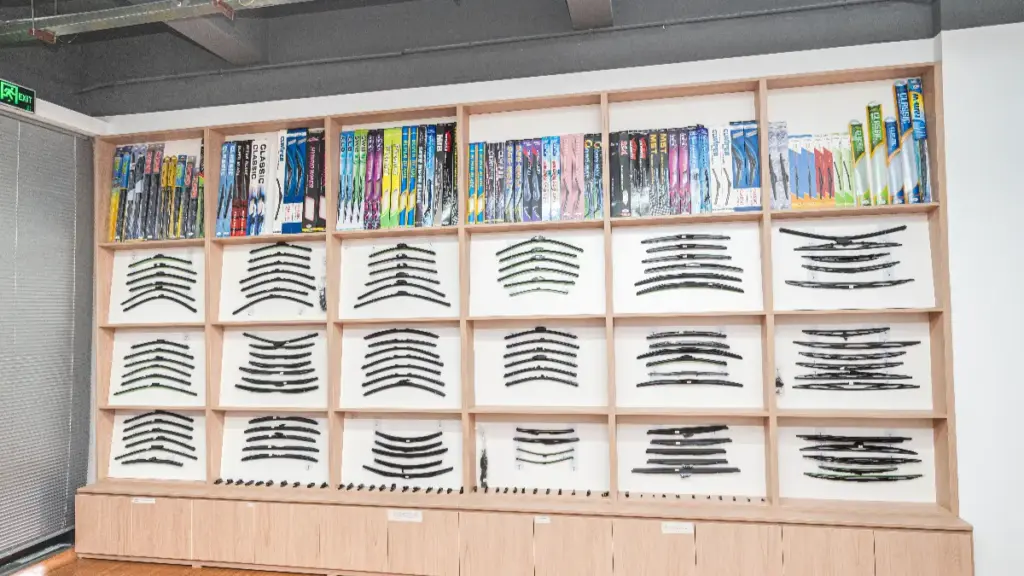
Coverage planning should come before product selection. It helps distributors build a more efficient and profitable wiper blade assortment instead of simply increasing SKU count.
Why More SKUs Do Not Always Mean Better Coverage
Adding more SKUs does not always create meaningful business value. In many markets, a relatively small group of products covers the majority of vehicle applications, while additional SKUs contribute only limited incremental coverage.
Per esempio, 50 carefully selected SKUs may cover 85% of local vehicles. Expanding the assortment to 90 SKUs might increase coverage to 92%, but it also increases inventory investment, storage requirements, and replenishment complexity.
This is a classic example of diminishing returns. As coverage expands, each additional SKU usually contributes less market coverage than the one before it. Per questo motivo, i distributori redditizi si concentrano innanzitutto sulle applicazioni ad alta domanda prima di investire in accessori a coda lunga.
In che modo i dati locali dei veicoli determinano la pianificazione della copertura
Una pianificazione efficace della copertura inizia con la comprensione dei veicoli che effettivamente operano nel mercato di riferimento. Invece di selezionare i prodotti da un catalogo di fornitori, i distributori dovrebbero prima analizzare i dati sulla popolazione di veicoli locali per identificare dove si concentra la domanda.
I punti dati utili includono:
- Marche popolari: Identificare i produttori di veicoli che dominano la domanda locale di spazzole tergicristallo.
- I migliori modelli: Concentratevi sui modelli di veicoli che generano la maggiore domanda di sostituzione.
- Mix di età del veicolo: Determinare quali gruppi di età hanno maggiori probabilità di richiedere la sostituzione dei tergicristalli aftermarket.
- Categorie di veicoli: Valutare l'equilibrio tra le autovetture, SUV, pickup, e veicoli commerciali.
- Modelli di sostituzione: Comprendere le differenze tra la richiesta del tergicristallo anteriore e posteriore.
- Miscela di prodotti: Valutare come diversi tipi di lama (universale, multiadattatore, adattamento specifico) influenzare l’efficienza complessiva della copertura.
Molti distributori utilizzano Veicolo in funzione (VIO) o i dati del parco veicoli come base per la pianificazione dell'assortimento delle spazzole tergicristallo. Questo approccio aiuta ad allocare l'inventario verso le applicazioni che servono il maggior numero di veicoli evitando inutili espansioni di SKU.
Percentuale di copertura come metrica della prestazione reale
Molte aziende misurano la forza dell'assortimento in base al numero di SKU. Una metrica più utile è percentuale di copertura—la percentuale di veicoli locali che possono essere serviti dai prodotti in stock.
Un distributore con 60 SKU e 90% la copertura del veicolo può essere migliore di quella di un concorrente 120 SKU con copertura solo leggermente superiore. Concentrandosi sull'efficienza della copertura invece che sulle dimensioni del catalogo, le imprese possono trovare la loro posizione sul mercato, migliorare la produttività delle scorte, e costruire una base più solida per l’espansione futura. magazzini basati interamente sui dati locali del parcheggio dei veicoli.
Costruire la giusta base SKU

Dopo aver impostato gli obiettivi di copertura, il passo successivo è costruire una struttura SKU che raggiunga tali obiettivi con il minimo spreco di inventario. L’attenzione si sposta dalla quantità alla pianificazione efficiente della copertura.
Comprendere le lunghezze, Connettori, e applicazioni anteriori e posteriori
Maggior parte montaggio della spazzola del tergicristallo le decisioni dipendono da tre fattori: lunghezza della lama, tipo di connettore, e posizione dell'applicazione.
- Lunghezza lama: Combinazioni comuni come 24″ + 18″, 26″ + 16″, e 28″ + 17″ compaiono su gran parte dei veicoli passeggeri. Concentrarsi sulle dimensioni ad alta frequenza migliora l'efficienza della copertura.
- Tipo di connettore: Gancio, pulsante, blocco laterale, serratura superiore, pizzicare la linguetta, and bayonet connectors all require different fitment solutions. Connector diversity often creates more SKU complexity than blade length.
- Front vs Rear Applications: Front wipers generate most replacement demand and should form the foundation of any assortment. Tergicristalli posteriori usually require more vehicle-specific fitments and are often added later as coverage expands.
Understanding these variables helps distributors build assortments based on actual fitment demand rather than supplier catalogs.
How Many SKUs Are Needed for Different Coverage Goals
The ideal SKU count depends on local vehicle demographics and business objectives. Most distributors expand in stages rather than pursuing maximum coverage from the beginning.
| Coverage Goal | Typical SKU Range | Recommended Use |
|---|---|---|
| Basic Coverage | 20–40 SKUs | New distributors and limited budgets |
| Copertura tradizionale | 40–80 SKU | La maggior parte delle operazioni di vendita al dettaglio e all'ingrosso |
| Copertura estesa | 80–150+ SKU | Applicazioni a coda lunga e speciali |
Per molti mercati, 40–80 SKU fornire il miglior equilibrio tra la copertura del veicolo, rotazione delle scorte, e i requisiti di capitale circolante.
Creare un assortimento equilibrato di antipasti
Un nuovo distributore non ha bisogno di un ampio catalogo per competere in modo efficace. Iniziare con un assortimento mirato di solito produce migliori prestazioni di inventario e una rotazione delle scorte più rapida.
Un programma pratico di avviamento dovrebbe dare priorità:
- Veicoli ad alto volume: Concentrarsi sui modelli che dominano la domanda di sostituzione locale.
- Lunghezze popolari: Conserva le dimensioni delle lame utilizzate dal maggior numero di veicoli.
- Connettori comuni: Dai priorità ai sistemi di adattamento con ampia compatibilità.
- Richiesta di tergicristallo anteriore: Costruisci la copertura attorno alla categoria di sostituzione con il volume più elevato.
- Prodotti per lame per travi: Include modern beam blades that combine broad fitment with premium positioning.
As sales data accumulates, distributors can expand into rear wipers, premium segments, and vehicle-specific applications. This phased approach reduces inventory risk while creating a stronger foundation for long-term growth.
Premium OEM Wiper Blades For Global Distributors
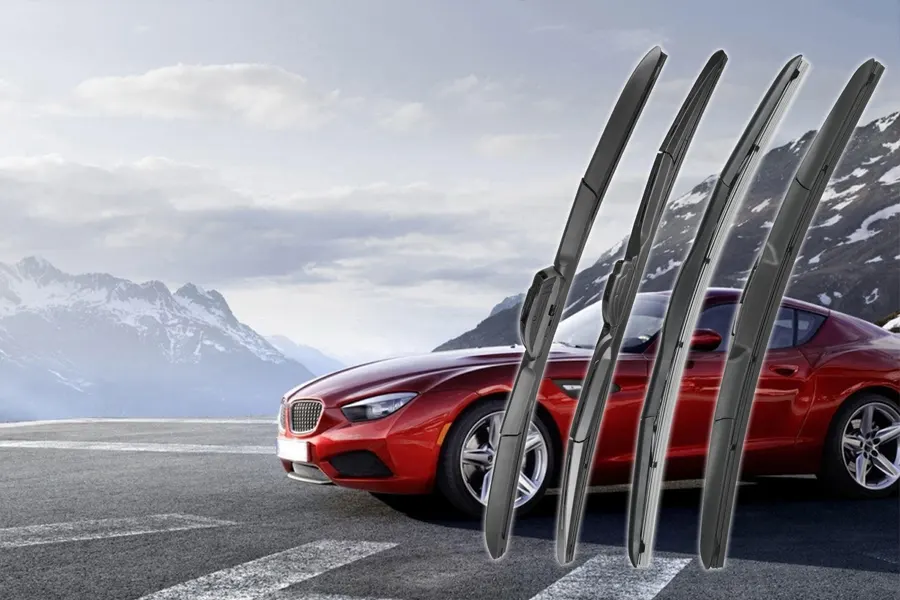
How Blade Design Affects Coverage and Inventory
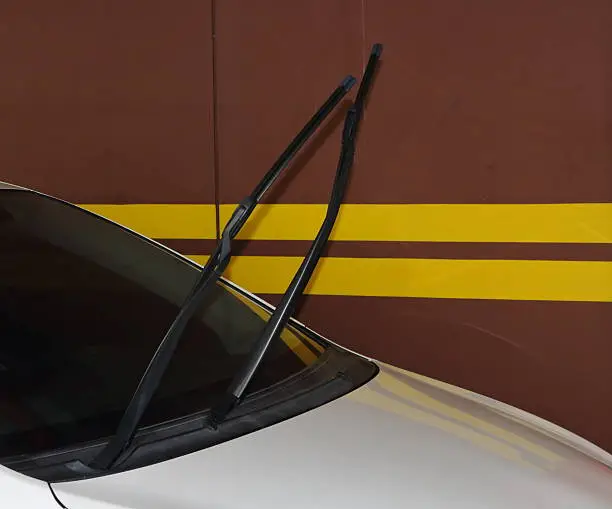
Blade design directly influences how efficiently a product range can cover different vehicles and manage SKU complexity.
Universale, Multi-Adapter, and Specific-Fit Compared
Different blade designs require different inventory strategies. Le lame universali offrono semplicità, le lame multi-adattatore migliorano l'efficienza della copertura, e le lame specifiche garantiscono la massima precisione di montaggio.
| Tipo di lama | Efficienza di copertura | Conteggio SKU | Ideale per |
|---|---|---|---|
| Universale | Moderare | Basso | Programmi di copertura di base |
| Multi-Adapter | Alto | Medio | La maggior parte dei distributori e rivenditori |
| Vestibilità specifica | Molto alto | Alto | Applicazioni specializzate |
Per la maggior parte delle attività aftermarket, spazzole tergicristallo multi-adattatore offrire il miglior equilibrio tra copertura del veicolo ed efficienza dell'inventario.
Riduzione del numero di SKU senza perdere la copertura
L'aumento della copertura non richiede sempre l'aggiunta di più SKU. In molti casi, i distributori possono ottenere una compatibilità più ampia utilizzando piattaforme multi-adattatore che supportano diversi tipi di connettori all'interno di un'unica famiglia di prodotti.
I principali vantaggi includono:
- Conteggio SKU inferiore: Sono necessari meno prodotti specifici per i connettori.
- Copertura più elevata: Una lama può adattarsi a più applicazioni del veicolo.
- Gestione dell'inventario più semplice: La previsione e il rifornimento diventano più facili.
- Migliore efficienza delle scorte: Maggiori investimenti in scorte vengono destinati ai prodotti in rapido movimento.
Questo approccio consente ai distributori di espandere la copertura mantenendo sotto controllo l'inventario.
Quando i prodotti su misura hanno senso
Sebbene i prodotti multi-adattatore coprano la maggior parte della domanda tradizionale, alcune applicazioni richiedono ancora soluzioni di montaggio dedicate. In questi segmenti, la compatibilità è spesso più importante dell'efficienza dello SKU.
I prodotti specifici sono comunemente usati per:
- Tergicristalli posteriori: Molte pale posteriori utilizzano design specifici del veicolo.
- Veicoli premium: I marchi di lusso spesso richiedono connettori dedicati.
- Modelli europei: Alcune piattaforme utilizzano sistemi di collegamento proprietari.
- Applicazioni per veicoli elettrici: Le nuove piattaforme per veicoli potrebbero richiedere attrezzature uniche.
Un assortimento equilibrato di solito combina lame multi-adattatore ad ampia copertura con prodotti selezionati specifici per colmare importanti lacune del mercato.
Pianificazione degli assortimenti di SKU per i canali Retail e Online

I canali di vendita al dettaglio e online richiedono strategie SKU diverse a causa delle differenze nei modelli di domanda, limiti di spazio, e comportamento di vendita.
Strategia di assortimento al dettaglio per una copertura in rapida evoluzione
Gli ambienti di vendita al dettaglio operano con rigorosi limiti di spazio sugli scaffali. Ogni SKU deve giustificare la propria strategia di assortimento al dettaglio per una copertura in rapido movimento
Gli ambienti di vendita al dettaglio operano con rigorosi limiti di spazio sugli scaffali. Ogni SKU deve giustificare la propria posizione attraverso un volume di vendite costante e un'ampia copertura di veicoli. I programmi di vendita al dettaglio di maggior successo si concentrano su un assortimento compatto che offre la massima copertura per posizione sullo scaffale.
| Priorità al dettaglio | Focus sulla pianificazione |
|---|---|
| Copertura del veicolo | Principali applicazioni per veicoli locali |
| Conteggio SKU | 20–40 SKU in rapida evoluzione |
| Tipo di prodotto | Multi-adattatore e lame del fascio mainstream |
| Obiettivo primario | Fatturato massimo per posizione sullo scaffale |
Strategia di assortimento online per la domanda a coda lunga
I canali online hanno meno limiti di spazio, consentendo ai venditori di espandere la copertura oltre le applicazioni tradizionali. Invece di massimizzare la produttività sugli scaffali, gli assortimenti online si concentrano sulla cattura della domanda a coda lunga e sulla riduzione delle opportunità di vendita mancate.
| Priorità in linea | Focus sulla pianificazione |
|---|---|
| Obiettivo di copertura | 95%+ copertura del veicolo |
| Gamma di prodotti | Applicazioni a coda lunga e speciali |
| Aree di espansione | Tergicristalli posteriori, lame premium, Dotazioni per veicoli elettrici |
| Obiettivo primario | Cattura la domanda di nicchia e riduci i divari di copertura |
Gestione di un catalogo su più canali di vendita
Gli assortimenti al dettaglio e online possono differire, ma il mantenimento di strutture di prodotto separate spesso aumenta la complessità dell'inventario. Un approccio più efficiente consiste nel creare un catalogo principale e adattare la visibilità del prodotto in base al canale.
Gli SKU core in rapida evoluzione possono supportare tutti i canali, mentre le applicazioni specializzate restano focalizzate sulle vendite online. Ciò migliora l'utilizzo dell'inventario e riduce le scorte duplicate.
Man mano che le aziende si espandono verso le vendite a marchio del distributore e multicanale, Supporto OEM e ODM aiuta a semplificare la gestione del catalogo. A Clwiper, i distributori utilizzano piattaforme di prodotto flessibili, confezione personalizzata, e soluzioni a marchio privato per supportare diversi canali mantenendo una struttura SKU snella.
Potrebbe interessarti: Guida ai modelli di business delle spazzole tergicristallo: Vedere al dettaglio, All'ingrosso e online
Utilizzo dei dati di montaggio per migliorare le decisioni sull'inventario
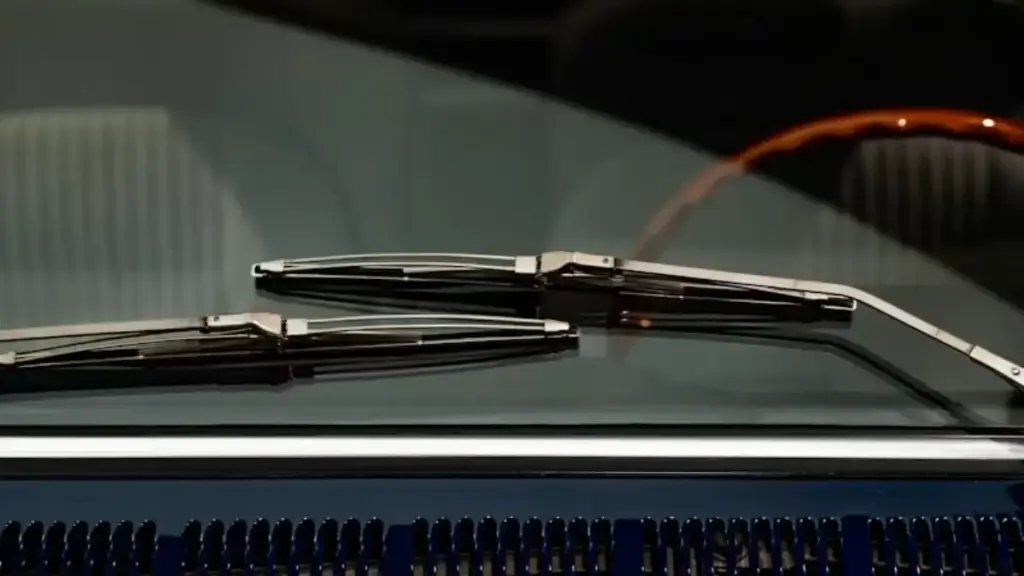
I dati di montaggio dovrebbero fare di più che confermare la compatibilità del veicolo. Aiuta inoltre i distributori a prendere decisioni sull'inventario più chiare e redditizie.
Concentrarsi innanzitutto sui veicoli ad alta richiesta
I grandi database di accessori spesso inducono le aziende a perseguire la massima copertura troppo presto. In realtà, un piccolo gruppo di modelli di veicoli genera solitamente la maggior parte della domanda di sostituzione.
Invece di espandersi in ogni applicazione, concentrarsi sui veicoli che creano il maggior potenziale di vendita.
- Modelli ad alto volume: Dai la priorità ai veicoli più comuni nel mercato locale.
- Accessori popolari: Focus sulle dimensioni delle pale condivise da più piattaforme di veicoli.
- Connettori comuni: Supporta i sistemi di connettori utilizzati dalla più grande popolazione di veicoli.
Questo approccio migliora l’efficienza della copertura mantenendo sotto controllo gli investimenti in scorte.
Identificazione delle lacune di copertura e degli SKU a rotazione lenta
Una pianificazione efficace della copertura richiede l'aggiunta dei prodotti giusti e la rimozione di quelli sbagliati. L'analisi della compatibilità aiuta i distributori a identificare le applicazioni mancanti evidenziando gli SKU che contribuiscono poco alle vendite o alla copertura del mercato.
| Livello SKU | Ruolo nell'assortimento |
|---|---|
| SKU principali | Prodotti ad alto volume che generano la maggior parte delle vendite |
| Supporta SKU | Applicazioni che espandono la copertura del mercato |
| SKU per ordini speciali | Prodotti a bassa richiesta forniti solo quando necessario |
Revisioni regolari aiutano a ridurre gli sprechi di inventario mantenendo al tempo stesso una forte copertura delle principali applicazioni dei veicoli.
Trasformare le richieste dei clienti in una migliore pianificazione della copertura
I report sulle vendite mostrano la domanda attuale, ma le richieste dei clienti spesso rivelano la domanda futura. Richieste ripetute per lo stesso equipaggiamento possono indicare lacune di copertura prima che appaiano nei dati di vendita.
- Lacune di copertura: Le richieste frequenti potrebbero evidenziare applicazioni mancanti.
- Cambiamenti del mercato: Nuovi modelli di veicoli possono creare una domanda emergente.
- Tendenze regionali: Le preferenze locali spesso appaiono per prime nei dati delle indagini.
Monitorare queste richieste aiuta i distributori a perfezionare i propri assortimenti e ad espandere la copertura sulla base di segnali di mercato reali piuttosto che di ipotesi.
Potrebbe interessarti: Come trovare la tua posizione in un mercato competitivo delle spazzole tergicristallo
Migliorare la copertura dopo il primo anno
The first year of sales provides real market data that reveals how well the SKU structure matches actual demand.
Reviewing Sales Data and Coverage Performance
Annual performance reviews help identify how well the current assortment matches real market demand. Instead of only tracking sales volume, distributors should evaluate how efficiently each SKU supports overall coverage.
Key metrics include:
- Best-Selling Products: Identify SKUs that consistently drive core revenue.
- Efficienza di copertura: Measure how much of the vehicle parc is actually served.
- Inventory Turnover: Track how fast products move through the system.
- Stock-Out Frequency: Identify lost sales caused by missing inventory.
- Customer Requests: Capture unmet demand signals from the market.
Insieme, these indicators show whether the current SKU structure is balanced or overloaded.
Espansione delle applicazioni ad alto potenziale
Una volta che l'assortimento principale è stabile, l’espansione dovrebbe concentrarsi su categorie di prodotti con un potenziale di valore più elevato piuttosto che semplicemente aumentare il numero di SKU.
La crescita spesso deriva da segmenti che combinano margini più elevati con una domanda crescente, ad esempio:
- Spazzole tergicristallo posteriori: Spesso sottosviluppato ma essenziale per la copertura completa del veicolo.
- Lame per raggi premium: Maggiore durabilità e posizionamento più forte sul mercato.
- Lame di silicone: Migliori prestazioni in condizioni meteorologiche estreme.
- Applicazioni per veicoli elettrici: Crescente domanda da parte di nuove piattaforme di veicoli.
- Disegni aerodinamici: Riduzione del rumore ed efficienza di pulizia migliorate.
Invece di espandersi in tutte le categorie contemporaneamente, i distributori ottengono risultati migliori dando priorità ai segmenti in linea con le tendenze regionali dei veicoli e la struttura dei margini.
Costruire una strategia di copertura scalabile a lungo termine
La crescita sostenibile nel settore delle spazzole tergicristallo dipende dall'ottimizzazione continua piuttosto che dalla costante espansione degli SKU. I distributori di maggior successo trattano la pianificazione della copertura come un sistema continuo, non una configurazione una tantum.
Col tempo, affinano la struttura dell'assortimento, ridurre gli SKU di basso valore, e adeguare l'inventario in base all'evoluzione della popolazione di veicoli e al comportamento del mercato.
In questa fase, la flessibilità produttiva diventa fondamentale. Ai partner piace CLIPPER supportare questo processo fornendo sviluppo OEM/ODM, soluzioni di imballaggio adattabili, e sistemi di produzione scalabili. Ciò consente ai distributori di espandere gradualmente la copertura senza aumentare la complessità operativa, garantire un equilibrio a lungo termine tra portata del mercato, efficienza delle scorte, e redditività.
Domande frequenti
Di quanti SKU di tergicristalli ha effettivamente bisogno un distributore?
Un moderno distributore aftermarket può raggiungere 95 A 98% copertura del veicolo con solo 15 A 25 SKU con trave multi-fit. In genere è necessario un programma a livello completo che includa pale posteriori e opzioni premium 20 A 45 SKU. Programmi legacy che trasportano 80 A 150+ i codici articolo corretti vincolano il capitale circolante e creano complessità nel magazzino, ecco perché la maggior parte delle operazioni si stanno rapidamente razionalizzando verso un nucleo multi-fit più ristretto.
Qual è un obiettivo realistico di copertura del veicolo per un nuovo programma di tergicristalli??
Inseguendo 100% la copertura al momento del lancio crea un immediato rigonfiamento dell'inventario. Un obiettivo iniziale pratico è 60 A 70% del parco veicolare attivo, dando la priorità agli accessori di volume più elevato e alle famiglie di connettori comuni. Man mano che il programma matura e i dati di vendita effettivi convalidano la tua domanda regionale, puoi espandere strategicamente la copertura al 80 A 90% gamma senza accumulare scorte esaurite.
In che modo i sistemi di pulizia multi-adattatore riducono la pressione delle scorte?
I sistemi multi-adattatore consolidano decine di parti legacy in un'unica soluzione multi-fit. Abbinando la lunghezza di una lama base a un set di adattatori intercambiabili, un prodotto si attacca facilmente ai ganci a J, pizzicare le linguette, pulsanti, e bracci a baionetta. Ciò riduce drasticamente i requisiti di spazio totale sugli scaffali, coprendo al contempo un segmento molto più ampio del parco auto per articolo stoccato.
Come devo gestire le richieste relative alle dimensioni o ai modelli di spazzole che non ho in magazzino??
Tratta queste richieste come opportunità di riferimenti incrociati e di upselling invece che come ragioni per espandere immediatamente il tuo catalogo. Controlla i dati di montaggio per vedere se una lama multi-fit fornita in magazzino soddisfa i requisiti tecnici in modo sicuro. Se un cliente richiede una lama convenzionale di base, ti manca, posiziona la tua lama in silicone o trave premium in stock come superiore, un’alternativa più duratura piuttosto che effettuare un ordine speciale a basso margine.
Con quale frequenza devono essere aggiornati l'elenco degli SKU dei tergicristalli e il catalogo delle attrezzature?
Monitora settimanalmente i tassi di reso e i reclami relativi al montaggio per individuare rapidamente gli errori critici. Esegui aggiornamenti tattici del catalogo trimestralmente per regolare le mappature e aggiungere gli anni dei modelli di veicoli appena rilasciati. Eseguire annualmente una revisione strategica completa per ritirare le scorte esaurite, consolidare le parti ridondanti, e analizzare i cambiamenti del mercato a lungo termine.
Considerazioni finali
Riuscito Pianificazione SKU della spazzola tergicristallo non si tratta di espandere i cataloghi, ma di costruire il giusto equilibrio tra copertura del veicolo, precisione di montaggio, ed efficienza delle scorte. I distributori che danno priorità alla percentuale di copertura e alla domanda reale del mercato possono ottenere un fatturato più forte, minore pressione delle scorte, e prestazioni più stabili a lungo termine rispetto a quelli che si affidano solo all'espansione dello SKU.
As markets and vehicle technologies continue to evolve, coverage planning should remain a continuous process supported by fitment data and structured inventory decisions. With flexible manufacturing, scalable product systems, E OEM/ODM supporto, CLIPPER helps distributors and online sellers build efficient wiper blade programs that improve coverage while maintaining full control over inventory complexity and growth strategy.