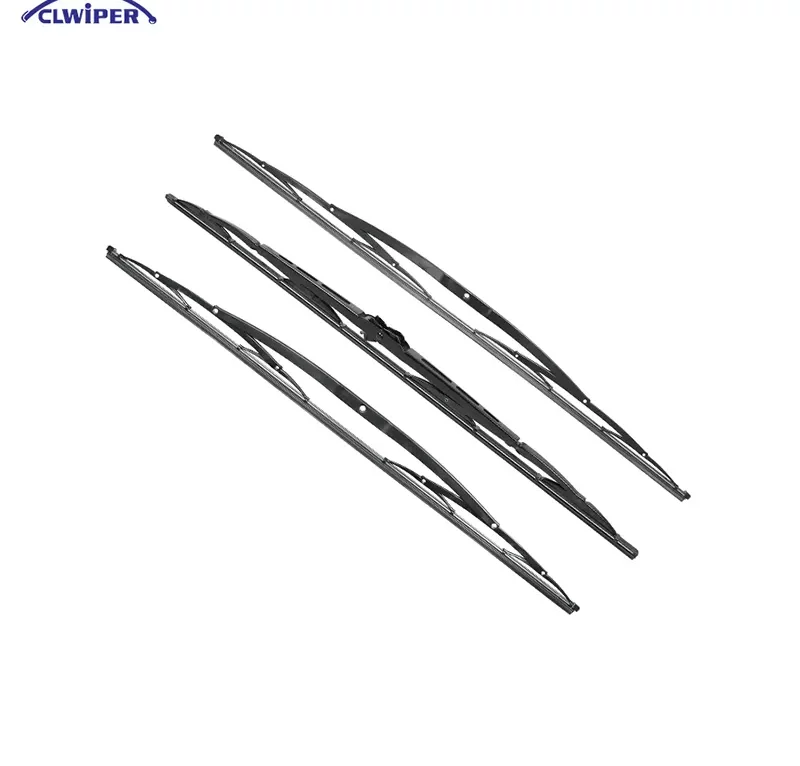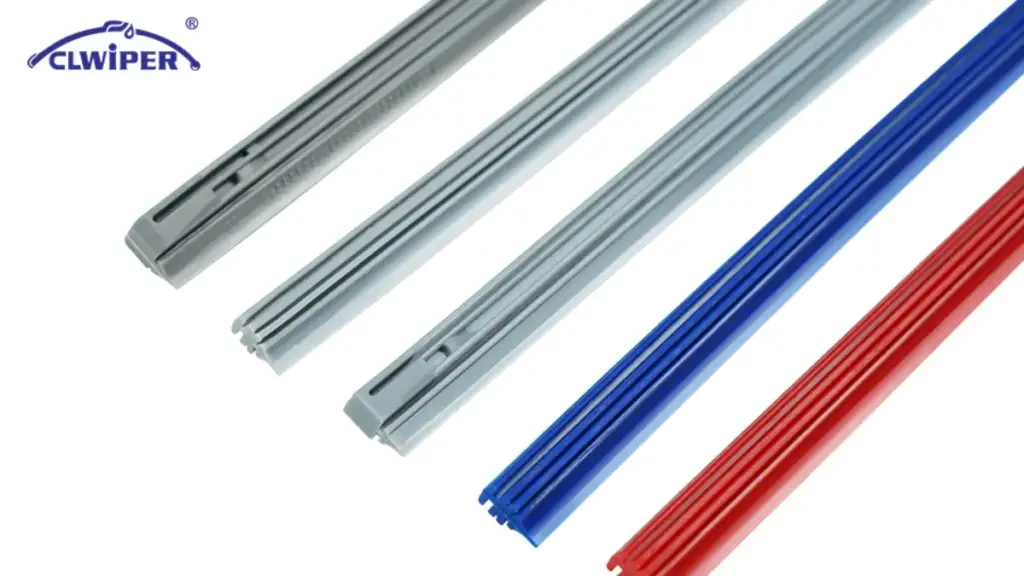
Entrar no mercado de palhetas de limpador não é difícil apenas por causa da concorrência. O maior desafio é encontrar uma posição que as grandes marcas ainda não controlem. Muitos novos distribuidores e marcas próprias fracassam porque entram em categorias superlotadas sem diferenciação clara.
As empresas de sucesso geralmente concentram-se em lacunas específicas na procura climática, segmentos de veículos, canais de vendas, ou mercados regionais. Este artigo explica como identificar oportunidades menos competitivas, construir uma estratégia de posicionamento clara, e combiná-lo com capacidades operacionais reais.
Por que o mercado de lâminas de limpador ainda apresenta lacunas de crescimento ocultas

Embora o mercado de palhetas de limpador seja altamente competitivo, não está uniformemente desenvolvido. Grandes fabricantes concentram-se principalmente em SKUs globais de alto volume, o que abre espaço para segmentos menores, mas mais especializados.
Por que o foco no mercado de massa deixa lacunas
Grandes fornecedores normalmente são construídos em torno da eficiência em escala e da produção padronizada. Seus sistemas são otimizados para:
- SKUs padronizados: Produtos projetados para distribuição global em larga escala
- Produção em alto volume: Sistemas de fabricação focados na eficiência e na produção estável
- Principais programas de varejo: Estratégias de produto centradas na demanda de veículos de passageiros
No entanto, segmentos menores geralmente exigem ajustes mais rápidos do produto, produção de menor volume, e mais personalização regional. Esses requisitos nem sempre se enquadram em estruturas de produção em grande escala, especialmente quando a procura é fragmentada ou limitada em volume.
Como a demanda regional e de veículos cria lacunas
Diferentes regiões criam diferentes requisitos técnicos para o desempenho do limpador. Clima, condições da estrada, e plataformas de veículos influenciam o design do produto.
| Segmento de mercado | Demanda do produto |
|---|---|
| Climas frios | Lâminas de neve e borracha de baixa temperatura |
| Climas quentes | Materiais resistentes a UV e durabilidade ao calor |
| Frotas comerciais | Sistemas pesados e de longa vida |
| Veículos regionais | Conectores e adaptadores de ajuste exato |
Esses segmentos são menos competitivos porque exigem mais adaptação de engenharia e um conhecimento mais profundo dos produtos regionais.
Por que os segmentos especializados competem além do preço
Em mercados especializados, as decisões de compra não são motivadas apenas pelo custo. Os compradores se concentram mais no desempenho de longo prazo e na confiabilidade do fornecimento.
As prioridades típicas incluem:
- Durabilidade do produto: Desempenho estável sob condições adversas
- Consistência de fornecimento: Reabastecimento confiável para demanda contínua
- Precisão de montagem: Aplicação correta em todos os tipos de veículos
- Suporte técnico: Correspondência e suporte de instalação mais rápidos
Portanto, a concorrência muda da comparação de preços para o valor operacional total. Isto cria oportunidades mais fortes para fornecedores que combinam especialização com estabilidade Suporte OEM/ODM.
Quais segmentos de mercado de limpadores são menos competitivos

Nem todos os segmentos do mercado de reposição enfrentam o mesmo nível de concorrência. As lâminas dos automóveis de passageiros estão altamente saturadas, mas diversas áreas de nicho ainda oferecem espaço para novos fornecedores e fabricantes OEM/ODM flexíveis.
Mercados Específicos para o Clima
O clima é um dos mais fortes impulsionadores da diferenciação de produtos na indústria de limpadores de para-brisa. Climas diferentes criam requisitos de desempenho diferentes, o que torna as estratégias de produtos localizados mais eficazes do que a padronização global.
Por exemplo:
- Regiões de clima frio: Lâminas de neve, estruturas resistentes ao gelo, e compostos de borracha de baixa temperatura
- Mercados de clima quente: Materiais resistentes aos raios UV e maior durabilidade ao calor sob exposição solar prolongada
Como essas condições variam amplamente por região, o desempenho no mundo real geralmente é mais importante do que o reconhecimento da marca. Isto cria oportunidades claras para os fornecedores que podem adaptar estruturas e materiais de lâminas aos ambientes locais.
Oportunidades Comerciais e de Frota
Os veículos comerciais continuam a ser um dos segmentos de pós-venda de ciclo longo mais estáveis. Os operadores de frotas concentram-se mais na eficiência operacional do que na marca, especialmente ao gerenciar grandes volumes de veículos.
Em comparação com os mercados de automóveis de passageiros, os compradores de frotas geralmente priorizam:
- Maior durabilidade: Frequência de substituição reduzida e menor tempo de inatividade para manutenção
- Fornecimento estável: Suporte de inventário confiável para operação contínua da frota
- Controle de custos: Melhor valor operacional total em vez do menor preço unitário
- Suporte técnico: Correspondência de montagem mais rápida em diferentes plataformas de veículos
Como resultado, aplicações pesadas e comerciais enfrentam frequentemente menor concorrência direta do que os principais segmentos de veículos de passageiros.
Marca Própria e Lacunas Regionais
Mais distribuidores e importadores estão construindo marca própria marcas em vez de depender apenas de fornecedores globais de varejo. Essa mudança continua a aumentar a demanda por suporte flexível à fabricação OEM/ODM.
As principais vantagens incluem:
- Controle de preços: Melhor gestão de margens em mercados regionais
- Propriedade da marca: Identidade mais forte a longo prazo e fidelidade do cliente
- Flexibilidade de mercado: Resposta mais rápida às mudanças na demanda local
Ao mesmo tempo, muitos compradores exigem MOQ mais baixo, pedidos mistos de SKU, embalagem personalizada, e amostragem mais rápida. Esses requisitos são muitas vezes difíceis para os grandes fabricantes apoiarem de forma eficiente, o que cria oportunidades para fornecedores mais ágeis.
Maximize o ROI com palhetas de limpador OEM premium
Como construir uma posição clara em torno do seu mercado-alvo

Encontrar oportunidades é apenas o primeiro passo. O crescimento real vem da construção de uma posição clara que corresponda às necessidades do cliente e à capacidade operacional.
Posicionamento com foco na região
Algumas empresas têm sucesso concentrando-se em regiões específicas em vez de competir globalmente.
Por exemplo:
- Mercados de clima frio: Lâminas de neve e compostos de borracha de baixa temperatura
- Regiões de clima quente: Materiais resistentes ao calor com maior durabilidade UV
- Plataformas regionais de veículos: Sistemas de conectores de ajuste exato para modelos de automóveis locais
Esta abordagem melhora o alinhamento com a procura local e reduz a concorrência direta com marcas globais.
Posicionamento Focado no Canal
Diferentes canais de vendas priorizam diferentes pontos fortes competitivos. Escolher o foco certo no canal ajuda as empresas a evitar competir em todos os mercados ao mesmo tempo.
| Canal | Foco |
|---|---|
| Comércio eletrônico | Embalagem e cobertura de SKU |
| Fornecimento de frota | Durabilidade e estabilidade de custos |
| Marca própria | Personalização e flexibilidade |
Cada canal requer um foco operacional diferente, portanto, as empresas devem evitar tentar competir em todos os canais ao mesmo tempo.
Posicionamento Focado no Produto
Uma posição forte no mercado deve corresponder à capacidade operacional real. Sem esse alinhamento, mesmo uma marca forte falhará na execução.
Categorias de especialidades comuns incluem:
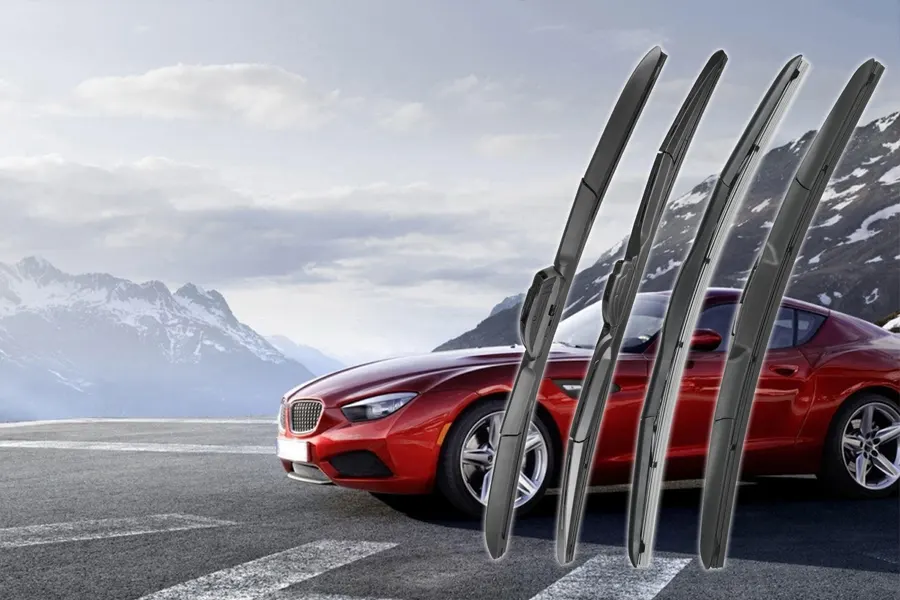
- Lâminas de limpador de feixe: Desempenho aerodinâmico para veículos modernos
- Lâminas do limpador híbrido: Maior estabilidade e durabilidade da estrutura
- Sistemas de limpeza de silicone: Vida útil mais longa e limpeza mais suave
- Lâminas comerciais para serviços pesados: Soluções para caminhões e veículos de frota
Em vez de entrar em todos os segmentos imediatamente, o desenvolvimento de categorias focadas geralmente cria um crescimento mais sustentável no longo prazo.
Por que o posicionamento deve corresponder às suas reais capacidades de negócios

Um dos erros mais comuns na indústria do pós-venda é construir uma posição de mercado que as operações não conseguem suportar. Uma marca forte por si só não pode resolver a qualidade instável, entrega lenta, ou desempenho de produção inconsistente.
Realidade de fabricação e MOQ
Toda estratégia de posicionamento depende da capacidade real de produção. Diferentes objetivos de mercado exigem diferentes fabricação configurações.
Por exemplo:
- Posicionamento premium: Precisa de qualidade estável e baixo controle de defeitos
- Programas de frota: Exigir volume consistente de produção e estabilidade de fornecimento
- Crescimento do comércio eletrônico: Depende da eficiência do SKU e da embalagem flexível
- Distribuição regional: Muitas vezes precisa de MOQ flexível e carregamento de contêineres mistos
Quando uma empresa promete customização sem sistemas de produção flexíveis, a confiança do cliente quebra rapidamente.
Qualidade e estabilidade de entrega
No fornecimento de reposição de palhetas de limpador B2B, a consistência é muitas vezes mais importante do que a concorrência de preços. Os compradores se preocupam mais com a estabilidade a longo prazo do que com as poupanças a curto prazo.
Os principais fatores de avaliação incluem:
- Confiabilidade de entrega: Prazos de entrega estáveis e envio previsível
- Consistência do produto: Montagem precisa e desempenho de limpeza estável
- Durabilidade dos materiais: Desempenho confiável da borracha em diferentes climas
- Estabilidade de fornecimento: Taxas de devolução mais baixas e confiança na repetição de pedidos
Fortes sistemas de qualidade apoiam esta estabilidade através da inspeção, rastreabilidade, e testes de desempenho.
Capacidade de personalização OEM/ODM
À medida que a concorrência aumenta, a personalização se torna uma forma fundamental de construir diferenciação. O suporte OEM e ODM ajuda os distribuidores a criar marcas locais mais fortes em vez de vender produtos genéricos.
As opções de personalização comuns incluem:
- Gravação de logotipo: Constrói identidade de marca para marcas próprias
- Design de embalagem: Melhora a apresentação online e de varejo
- Sistemas de código de barras: Suporta melhor controle de estoque e logística
- Desenvolvimento de montagem: Melhora a compatibilidade para necessidades regionais de veículos
A amostragem rápida e a produção flexível reduzem o risco ao entrar em novos mercados.
Como testar, Refinar, e dimensione sua posição no mercado

O posicionamento de mercado deve evoluir com base no desempenho real do mercado, não suposições. As marcas mais bem-sucedidas começam com testes controlados e escalam somente quando a demanda se estabiliza.
Validação antecipada de mercado
A primeira fase concentra-se em testar a aceitação do produto sob condições limitadas.
Os métodos típicos incluem:
- Testes de distribuidor: Pequenas parcerias com compradores regionais
- Pilotos de marca própria: Programas de marca limitados
- Teste on-line: Pequenos SKU são lançados em canais de e-commerce
- Amostragem de frota: Uso experimental em operações comerciais
Isso ajuda a identificar quais SKUs e regiões geram demanda real.
Feedback do cliente e otimização de SKU
O primeiro 12 meses fornecem a visão operacional mais confiável.
Os principais sinais incluem:
- Repetir pedidos: Indica forte aceitação do produto
- Taxas de devolução: Reflete qualidade e precisão de montagem
- Comentários de instalação: Mostra usabilidade e compatibilidade
- SKUs mais vendidos: Revela estrutura de demanda
- Desempenho de entrega: Mede a estabilidade da oferta
Um pequeno número de SKUs geralmente gera a maior parte da receita no longo prazo.
Dimensionando segmentos lucrativos
Assim que a demanda for confirmada, as empresas devem mudar para uma expansão estruturada.
O dimensionamento geralmente inclui:
- Expandindo programas de marca própria
- Fortalecendo SKUs de alto desempenho
- Estendendo categorias de produtos relacionados
- Melhorar a cobertura da distribuição regional
A expansão focada cria um crescimento mais estável do que a ampla diversificação.
Perguntas frequentes
Como os distribuidores podem reduzir o risco ao entrar em um novo mercado de palhetas de limpador??
Comece com pequenos testes de SKU, ensaios regionais limitados, e amostras de pedidos para validar a demanda real do mercado antes de se comprometer com um grande estoque. Em vez de escalar muito cedo, concentre-se em entender quais produtos realmente funcionam em cada canal e região, assim, você reduz a exposição a estoques de baixa movimentação e toma decisões com base no feedback real das vendas, em vez de suposições.
Quão concentrado está o mercado de palhetas de limpador em torno de alguns grandes fabricantes?
O mercado apresenta um topo concentrado e uma cauda fragmentada. Alguns fabricantes globais de nível 1 controlam a maior parte do fornecimento de OEM e do valor premium do mercado de reposição, especialmente em tecnologias avançadas como feixe e lâminas híbridas. Volumes unitários no mercado de reposição mais amplo, por contraste, estão fortemente fragmentados em regiões, orçamento, e marcas próprias.
Como as marcas de palhetas de limpador de sucesso geralmente expandem seus negócios?
Escale somente depois de validar a demanda real por meio de testes controlados, em vez de uma ampla expansão desde o início. Marcas de sucesso focam no fortalecimento de SKUs comprovados, expandindo em regiões com pedidos repetidos estáveis, e aumentando gradualmente o volume de marcas próprias onde o crescimento é consistente e previsível.
Como posso construir um nicho em torno da região, canal, ou tipo de cliente em vez de lutar contra todos ao mesmo tempo?
Defina uma interseção precisa desses elementos para reduzir os custos de aquisição de clientes. Em vez de vender lâminas genéricas globalmente, construir uma marca em torno de um caso de uso altamente específico. Os exemplos incluem limpadores de para-brisa com desempenho de monção para automóveis de passageiros no Sudeste Asiático ou palhetas de frota de inverno vendidas por meio de assinaturas B2B no Norte da Europa.
O que devo procurar numa fábrica se quiser seguir uma estratégia de posicionamento de nicho?
Selecione um parceiro de fabricação com capacidades que correspondam diretamente ao seu nicho. Para limpadores automotivos de alto desempenho, exigir IATF 16949 certificação, Infraestrutura de testes SAE J903/J198, e extrusão de borracha avançada. Para salas limpas ou limpadores médicos, verificar as classificações ISO de salas limpas, dados de esterilidade validados, e conformidade com ASTM E2090 para baixo desprendimento de partículas.
Considerações Finais
O mercado de palhetas de limpador é competitivo, mas ainda oferece oportunidades claras para empresas que se concentram no posicionamento preciso em vez da ampla concorrência. O crescimento depende da seleção do nicho certo e do alinhamento com a capacidade operacional real.
Para distribuidores, Importadores, e marcas de reposição, CLIPPER apoia este processo através da produção OEM/ODM, sistemas de qualidade estáveis, e personalização flexível. Uma estratégia clara combinada com o parceiro de produção certo pode transformar uma oportunidade de nicho num negócio escalável a longo prazo.