Entering a new wiper blade market often leads to unbalanced SKU structures, excess inventory, and weak coverage across real vehicle demand. Many distributors struggle not because of product quality, but because their product mix does not match climate conditions, customer segments, およびチャネル要件, resulting in slow turnover and missed sales opportunities.
This guide explains how to build a structured wiper blade product mix that reduces risk and improves market entry performance. You will learn how to organize core categories, apply Good-Better-Best pricing tiers, control SKU ranges at launch, and scale your assortment using real sales data instead of assumptions.
Why a Wiper Blade Product Mix Determines Market Entry Success

A new market is unpredictable in the early stage. Demand is spread across vehicle types, price levels, and climate conditions. Because of this fragmentation, a single product line cannot support stable growth or consistent inventory performance.
Why Single Wiper Blade SKUs Fail in New Markets
Single or “hero” SKUs may look efficient at the beginning because they reduce complexity and simplify purchasing. しかし, this advantage disappears quickly when demand becomes more diverse across regions and customer groups.
Most failures come from structural imbalance rather than product quality:
- Coverage gap: Limited SKUs cannot match full vehicle parc demand
- 在庫の不均衡: Fast movers sell out while slow movers accumulate
- Demand loss: Uncovered segments shift to competitors
- Dependency risk: Sales rely too heavily on a small product base
As market complexity increases, single-SKU strategies shift from efficiency to volatility. This often leads to unstable cash flow and weaker distributor confidence.
Wiper Blade Product Mix as a Risk Control System
A structured product mix distributes risk across categories instead of concentrating it in a few products. This allows distributors to stay stable even when demand shifts across seasons or regions.
主な利点は次のとおりです。:
- Inventory balance: Demand spreads more evenly across product families
- Risk reduction: Lower exposure to slow-moving or obsolete SKUs
- Cash flow stability: Multiple revenue streams reduce fluctuation
- Service reliability: Higher coverage improves fulfillment rates
実際に, product mix works as a buffer system. When one category slows down, others compensate and keep overall performance stable.
Navigating Demand Complexity in Wiper Blade Product Mix
Wiper blade demand does not follow a single pattern. It changes based on vehicle structure, environmental pressure, and buyer behavior in each region.
Key variables include:
- Vehicle structure: Mix of new vehicles vs older platforms
- Climate pressure: Rain, 雪, UV暴露, and temperature range
- Channel behavior: 小売り, fleet contracts, and e-commerce models
- Price sensitivity: Trade-off between durability and cost
Because these factors interact, successful distributors do not plan around individual SKUs. They build a portfolio system that reflects real-world demand combinations.
Core Wiper Blade Categories for an Effective Product Mix

Before building a wiper blade product mix, it is essential to understand how each category functions within the aftermarket system. These categories are not interchangeable. Each serves different vehicle groups, price levels, and performance expectations, which directly shapes SKU planning, inventory structure, and market coverage.
ビーム, ハイブリッド, and Conventional Blade Roles
These three categories form the foundation of most aftermarket wiper assortments and define the core performance and pricing ladder in new market entry strategies. Understanding the differences between them is important for accurate SKU planning and market positioning.
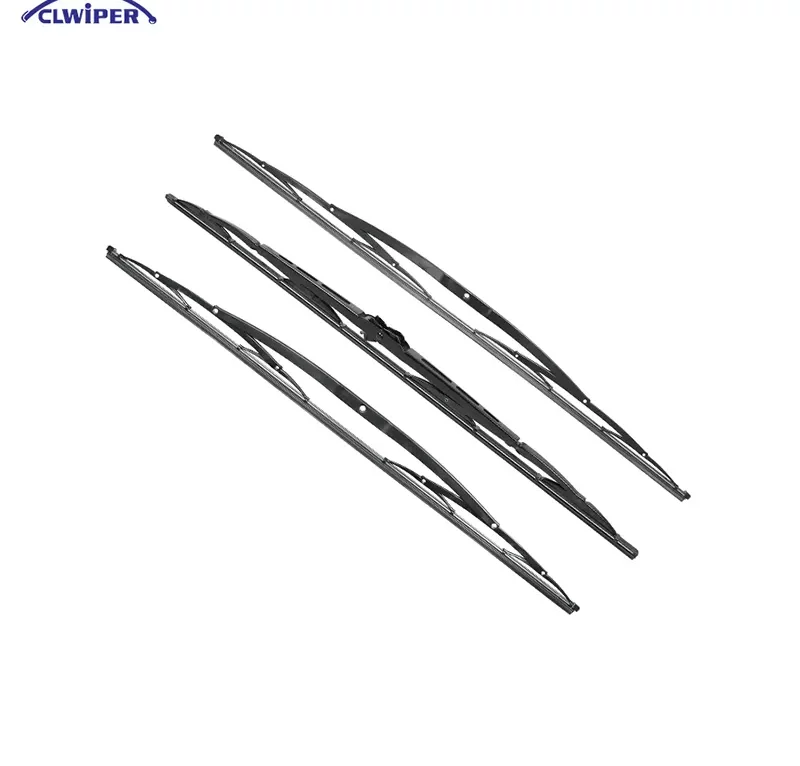
- ビームブレード: OE-style aerodynamic design with high-speed stability, ideal for modern passenger vehicles and high-volume replacement demand.
- Hybrid blades: Combine frame support with aerodynamic structure, suitable for mixed climates and mid-premium segments.
- 従来のブレード: Cost-oriented frame design for older vehicles and price-sensitive markets with basic performance needs.
一緒に, these categories cover different layers of the vehicle parc. A balanced wiper blade product mix reduces over-reliance on a single product type and supports broader market coverage across multiple customer segments.
コマーシャル, 後方, and Specialty Applications
Beyond front blades, supporting categories complete full vehicle visibility coverage. Although lower in volume, they are important for fleet supply, regional adaptation, and long-tail demand.
- Commercial blades: Built for trucks and fleets where durability and uptime matter more than design
- Rear blades: Required for SUVs, hatchbacks, and light commercial vehicles with rear visibility needs
- Specialty blades: Includes winter and region-specific designs for extreme weather conditions
These categories extend coverage beyond passenger vehicles and help capture institutional and fleet-level demand that standard SKUs cannot fully serve.
Climate and Customer Demand as a Unified Model
Climate and customer behavior should not be planned separately. In real markets, they interact and directly determine product performance requirements.
A unified model improves product mix accuracy:
- Cold climate + fleet use: Requires winter resistance and long service life
- Hot climate + retail market: Requires UV resistance and rubber stability
- Urban passenger + retail channel: Prefers beam blades with balanced performance and appearance
- Fleet contracts + commercial use: Focuses on lifecycle cost and replacement consistency
This combined view turns market complexity into structured SKU logic. It ensures product planning reflects real usage conditions instead of theoretical segmentation.
Boost Margins With Premium OEM Wiper Blades
Building a Good-Better-Best Wiper Blade Product Mix
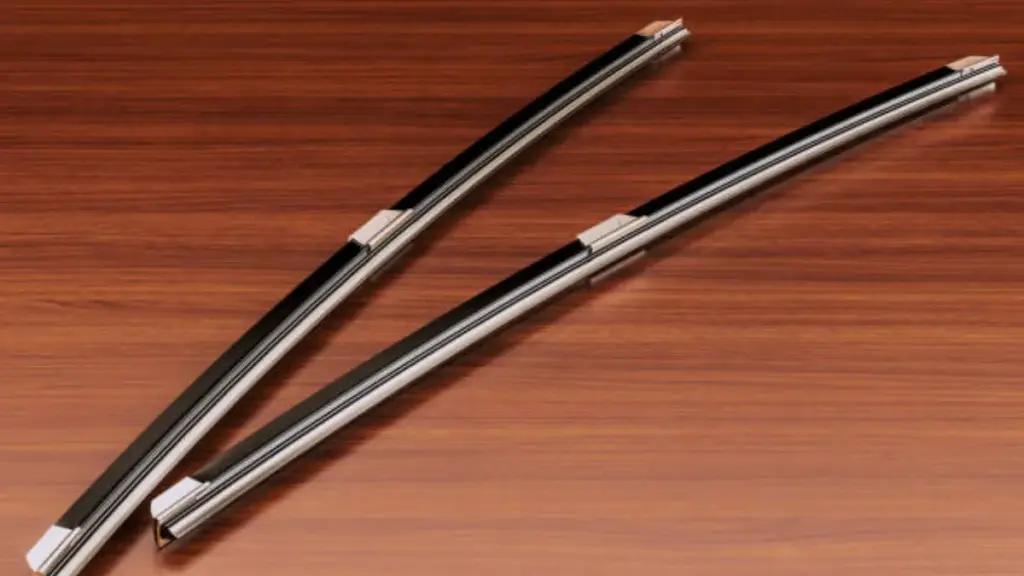
A Good-Better-Best system is widely used in global aftermarket industries because it simplifies customer decision-making and reduces SKU complexity. Instead of managing overlapping products, this structure groups wiper blades into clear tiers based on budget, performance needs, and market channels.
Functional Role of Each Tier
Each tier is not only a price level but also serves a specific market function. 一緒に, they form a structured system that balances coverage, 音量, and profitability in the overall wiper blade product mix:
- 良い (Entry tier): Focused on price-sensitive buyers and older vehicles where basic safety and affordability are the main priorities
- Better (Core tier): The main volume driver, balancing performance, 耐久性, and cost for everyday use conditions
- Best (Premium tier): Targets fleet users and harsh environments requiring long lifespan and stable performance
This structure reduces buyer confusion and helps distributors position products more clearly across different channels.
Technical Differentiation Across Tiers
Tier separation must be supported by real technical upgrades. Without clear differences, pricing becomes unclear and weakens market trust.
Key differences include:
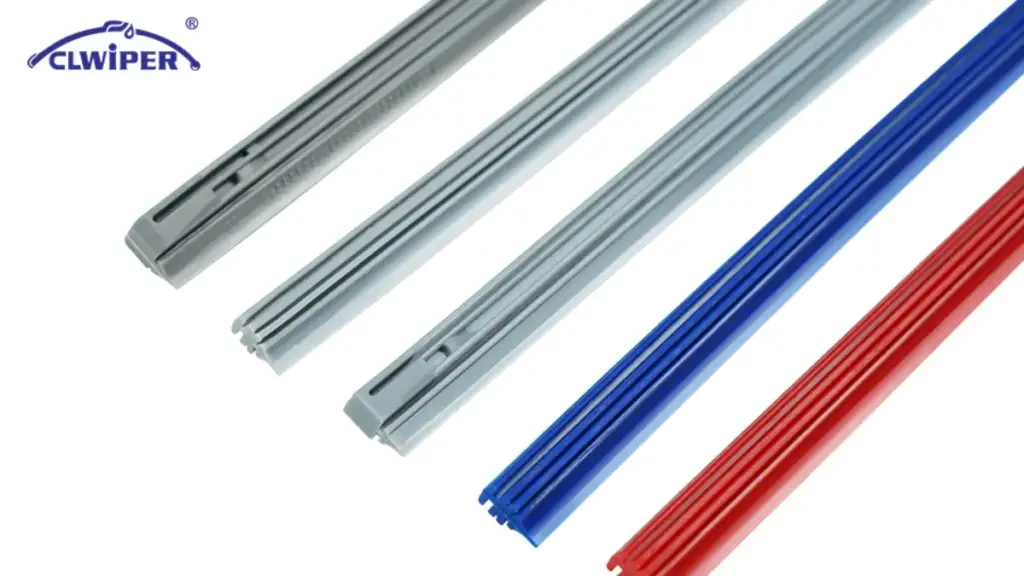
- Material quality: Natural rubber → blended compounds → silicone or high-grade synthetic materials
- Blade design: Frame structure → hybrid design → aerodynamic beam system
- Connector system: Standard hook → upgraded multi-adapter systems for wider fitment coverage
- Lifespan performance: Short replacement cycle → medium durability → extended service life
These differences support clear positioning and make upselling more natural in both retail and B2B channels.
Pricing Logic and Market Positioning
A structured pricing ladder helps build a stable product hierarchy and improves customer decision-making in competitive markets.
- Good → Entry driver: Low price entry to capture budget demand and increase market reach
- Better → Core volume: Balanced pricing that drives most sales and ensures stable margins
- Best → Value anchor: High-end tier that strengthens brand positioning and improves profitability
When price gaps are clear, buyers naturally shift toward the mid-tier option. This improves conversion rates and stabilizes average order value without aggressive selling pressure.
ワイパーブレード SKU Planning Strategy for New Market Launch

A new market launch should focus on control instead of full coverage. Many distributors try to include too many vehicle types at the beginning. This often leads to slow turnover, weak cash flow, and unnecessary inventory pressure. A focused SKU structure performs better because it follows real demand patterns from the start.
Recommended SKU Ranges by Category
SKU planning should reflect real market demand weight, not equal distribution. Beam blades usually take the largest share because they cover most modern passenger vehicles. Other categories should support specific segments instead of expanding too early.
| カテゴリ | Suggested SKUs | Market Role |
|---|---|---|
| ビームブレード | 20–40 | Main coverage for modern passenger vehicles |
| Hybrid blades | 10–20 | Mid-premium demand in mixed climates |
| 従来のブレード | 10–15 | Budget and older vehicle coverage |
| Rear blades | 5–10 | Secondary demand for SUVs and hatchbacks |
| Truck blades | 5–10 | Fleet and commercial applications |
This structure keeps the product range focused while still covering the key demand segments in the market.
Controlled Coverage vs Full Range Strategy
A full catalog launch may look complete, but it often creates fragmentation. Many SKUs stay inactive, while inventory becomes harder to manage. A controlled strategy performs better because it focuses on fast-moving applications.
主な利点は次のとおりです。:
- Lower inventory risk: Capital stays focused on high-demand SKUs instead of slow-moving items.
- Faster distributor adoption: Buyers prefer simpler catalogs with clearer choices.
- Higher SKU turnover: Concentrated demand improves rotation speed.
- Better forecasting: Smaller SKU sets make demand patterns easier to track.
ほとんどの場合, a 20–40 SKU core range is enough for initial market validation before expansion.
Data-Driven Expansion Model
After launch, SKU expansion should follow real sales performance instead of assumptions. Early market data clearly shows which products deserve scaling and which should remain limited.
主なシグナルには以下が含まれます:
- Sales velocity: Identifies SKUs with strong and consistent demand.
- リピート注文: Shows long-term product stability in the market.
- Regional variation: Helps adjust mix based on local vehicle structure.
- Return rate data: Highlights fitment or quality issues early.
When these signals are used together, expansion becomes a structured process rather than random product growth. This improves long-term efficiency and reduces unnecessary SKU complexity.
Expanding ワイパーブレード Product Mix Without Inventory Overload

Product mix expansion supports long-term growth, but it must stay controlled. In the wiper blade market, uncontrolled expansion often creates duplicated SKUs, slow-moving stock, and higher storage pressure. A structured approach helps increase coverage while keeping inventory efficiency stable.
Rear and Truck Blades as Supporting Categories
Rear and truck blades should support the core range instead of competing with it. These categories have stable but narrower demand, so they require a careful and phased rollout.
A practical approach includes:
- Limited coverage: Start with common vehicle applications instead of full fitment coverage.
- High-volume focus: Prioritize models with steady SUV or fleet demand.
- Controlled expansion: Avoid adding low-frequency sizes in early stages.
- Demand validation: Expand SKUs only after repeat orders confirm stable demand.
This approach keeps capital focused on fast-moving products while still capturing additional market segments.
Multi-Adapter Standardization Strategy
Connector fragmentation is one of the main causes of SKU overload in this industry. Different vehicle systems often require different adapters, which increases SKU count without improving real coverage.
Multi-adapter systems solve this problem by reducing unnecessary variation:
- Fitment consolidation: One blade supports multiple connector types through interchangeable adapters.
- Inventory simplification: Fewer SKUs reduce warehouse pressure and storage complexity.
- Faster selection: Buyers can choose products without comparing multiple connector versions.
- Wider coverage: One product line can serve more markets with fewer variations.
This strategy is especially effective for beam blades, where vehicle compatibility is highly fragmented.
Tier Compression in Low-Velocity Segments
Not all categories need a full Good-Better-Best structure. In low-volume segments like rear and truck blades, too many tiers often increase complexity without improving sales.
A more efficient approach is tier compression:
- 2-tier structure: Keep only essential mid and high-performance options.
- Durability focus: Prioritize lifespan and reliability over price segmentation.
- SKU discipline: Limit unnecessary variations to avoid slow-moving stock.
This simplified structure helps maintain stable availability while reducing capital tied up in low-turn inventory.
ワイパーブレード Product Mix Optimization and Scaling Strategy
After entering a new market, success depends less on adding new products and more on improving the efficiency of the existing mix. この段階では, the focus shifts to real demand understanding, weak SKU removal, and strengthening high-performing categories.
Key Performance Indicators for SKU Performance
Product optimization should always be data-driven. Without clear signals, SKU decisions become assumptions, which often leads to overstock or missed demand.
To evaluate SKU health, monitor:
- リピート注文: Shows whether a SKU has stable long-term demand.
- Return rate: Reflects fitment accuracy and product quality stability.
- SKU velocity: Identifies fast and slow movers in real time.
- Regional performance: Highlights location-based demand differences.
- Channel performance: Compares retail, fleet, and e-commerce behavior.
一緒に, these indicators help separate core value products from low-impact SKUs and reduce unnecessary complexity.
Identifying Core vs Long-Tail SKUs (80/20 Rule)
In most aftermarket markets, demand is highly concentrated. A small group of SKUs drives most revenue, while the rest mainly support coverage.
A typical pattern looks like this:
- Core SKUs (≈20%): Generate 70–80% of revenue and drive inventory turnover.
- Long-tail SKUs (≈80%): Provide coverage but contribute lower efficiency.
Instead of expanding everything equally, successful distributors strengthen core SKUs first. This means stable supply, better availability, and focused sales support. Long-tail SKUs should remain controlled to avoid unnecessary inventory pressure.
Regional and Channel-Based Adjustments
A single product mix cannot perform equally across all channels. Each channel follows different buying behavior, so SKU allocation must adjust accordingly.
- Retail channel: Focus on simple selection, clear packaging, and fast-moving SKUs.
- Fleet channel: Prioritize durability, long replacement cycles, and total cost efficiency.
- E-commerce channel: Requires accurate fitment data and strong SKU visibility.
When SKU structure aligns with channel logic, conversion improves and inventory moves more efficiently. This also reduces both overstock risk and missed sales.
Structure First, Expansion Later
Long-term performance in the wiper blade market comes from structure, not volume. A clear system ensures every SKU has a defined role in the portfolio.
Companies that build structure first and expand based on data usually achieve:
- More stable inventory turnover
- Lower operational risk
- Stronger OEM/ODM scalability
- Higher multi-market efficiency
Without this structure, expansion often leads to fragmented catalogs and weak performance. A disciplined system keeps growth controlled, predictable, and profitable.
よくある質問
What types of wiper blades should a new distributor offer at the beginning?
Start with a lean, high-rotation mix that captures the bulk of local demand. Your core setup needs three pillars: conventional framed blades for budget-conscious buyers, hybrid blades as a mid-tier all-weather option, and beam (フレームレス) blades to deliver premium, long-lasting performance. If you operate in cold climates, phase in specialized winter blades. Add a tight selection of rear blades to cover high-volume SUVs and hatchbacks.
How should I balance conventional, ビーム, and hybrid blades in my line?
Base your balance directly on your local climate and customer profile. In mild or hot markets, conventional blades typically drive 50% に 60% of your volume, leaving beam blades as a targeted premium upgrade. In regions with heavy snow or unpredictable weather, beam and hybrid blades need to dominate your shelf space because they resist ice buildup and handle harsh conditions better. Structure these categories into a strict Good-Better-Best tier system to make purchasing decisions simple for both retail and wholesale buyers.
How should my product mix differ between hot, 雨, and snowy markets?
Climate dictates your inventory. In hot markets, prioritize all-season blades featuring UV-resistant rubber or silicone to fight rapid heat degradation. Rainy territories demand high-performance beam or hybrid blades built to resist hydroplaning and deliver streak-free wiping during heavy downpours. Snowy climates require dedicated winter blades with encased frames and cold-resistant compounds, backed by premium beam blades that shed ice buildup.
How often should I review my wiper product mix and add or remove SKUs?
Run a light monthly health check to monitor fill rates and flag slow-moving items. Follow up with a quarterly operational review to rebalance stock levels and analyze margin performance across your different blade tiers. ついに, execute a deep strategic review every 6 に 12 月. Use this time to add SKUs for new vehicle platforms, introduce premium lines like silicone, or consolidate low-volume outliers into versatile multi-fit solutions.
最終的な考え
A well-planned wiper blade product mix is more than an inventory strategy. It is the foundation of stable market entry in fragmented and competitive markets, where demand shifts across vehicle types, climates, and customer channels. Companies that rely only on SKU expansion often face higher inventory risk and weaker turnover, while structured planning helps create clearer positioning and more consistent long-term performance.
When category structure, SKU depth, and expansion logic are aligned with real market data, distributors can improve coverage without adding unnecessary complexity. This approach supports more stable growth for both private label and OEM/ODM development. For companies looking to build or optimize their wiper blade portfolio, クリッパー provides OEM/ODM solutions that help design balanced assortments and support scalable market entry strategies.