Os modelos de negócios das palhetas do limpador são frequentemente mal compreendidos, e o maior desafio no negócio de palhetas não é a seleção de produtos, mas escolher o canal de vendas errado que limita seu lucro, velocidade de crescimento, e eficiência de estoque. Muitos fornecedores enfrentam dificuldades porque entram no varejo, atacado, ou mercados online sem um modelo claro, levando à pressão de preços, demanda instável, e escalabilidade fraca.
Este artigo explica como o varejo, atacado, e os modelos de negócios de limpadores de para-brisa on-line realmente funcionam na prática, que tipo de comprador e estrutura de margem cada um cria, e como escolher ou combinar canais com base em seus recursos. Ajuda a evitar incompatibilidades dispendiosas e a construir um ambiente mais estável, estratégia de vendas escalável.
Por que os modelos de negócios de lâminas de limpador são importantes para o lucro e a escala
A lucratividade na indústria de palhetas de limpador não é definida pelo produto em si, mas pelo canal de vendas por trás dele. Diferentes modelos de negócios criam resultados muito diferentes na precificação, margens, e potencial de crescimento.
Como a escolha do canal afeta o poder de precificação e as margens
Diferentes canais de vendas moldam estruturas de preços completamente diferentes. O varejo permite preços de venda mais altos porque a instalação e o serviço agregam valor, mas os custos operacionais também aumentam. Atacado se concentra em acordos baseados em volume, onde as margens são menores, mas mais previsíveis. Os canais online operam em um ambiente altamente transparente, onde a comparação de preços e os custos de publicidade impactam diretamente a lucratividade.
Como resultado, a mesma palheta pode funcionar como um produto premium em um canal e como uma commodity de baixa margem em outro. Isto torna a seleção do canal uma decisão estratégica central, em vez de um detalhe de distribuição, onde as empresas precisam claramente encontre a posição deles na cadeia de valor antes de escalar.
Diferentes comportamentos dos compradores nos canais de vendas de limpadores
As expectativas do comprador mudam significativamente dependendo do ambiente de compra. Cada canal reflete um nível diferente de urgência, profundidade de informação, e lógica de decisão.
- Demanda de substituição imediata: Os compradores de varejo priorizam a disponibilidade rápida e a instalação simples durante a manutenção urgente do veículo.
- Foco na estabilidade de custos e fornecimento: Os compradores atacadistas se preocupam mais com acordos de preços de longo prazo e fornecimento consistente de estoque.
- Tomada de decisão baseada em comparação: Os compradores online avaliam várias opções com base no preço, comentários, e compatibilidade antes de comprar.
Por causa dessas diferenças, o posicionamento do produto deve corresponder ao contexto de decisão. Uma incompatibilidade geralmente reduz a eficiência da conversão, mesmo quando a qualidade do produto é forte.
Por que a maioria das empresas de limpeza falham devido à incompatibilidade de canais
As empresas de limpeza muitas vezes falham quando os produtos são vendidos no canal de vendas errado. Mesmo produtos fortes perdem desempenho se a lógica de preços e as expectativas do comprador não corresponderem ao ambiente de mercado.
Por exemplo, limpadores premium perdem valor em mercados orientados por preços, enquanto os produtos de baixo custo enfrentam dificuldades em canais B2B ou OEM que exigem qualidade estável e confiabilidade de longo prazo.
A incompatibilidade de canais cria três riscos principais:
- Pressão de preços: Os produtos são vendidos em mercados que não correspondem ao seu nível de valor.
- Desequilíbrio de estoque: O estoque aumenta devido ao mau alinhamento da demanda.
- Instabilidade de demanda: As vendas flutuam porque a intenção do comprador é inconsistente com o posicionamento.
Ao longo do tempo, isso reduz a eficiência e limita a escalabilidade.
Negócio de palhetas de limpador com foco no varejo

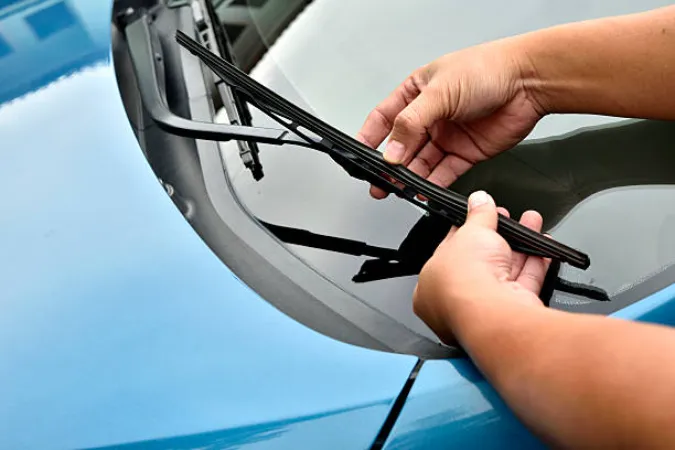
O varejo conecta escovas de limpador diretamente aos usuários finais por meio de centros de serviços, oficinas de automóveis, e lojas físicas. Opera como um modelo orientado pela demanda, onde as vendas dependem das necessidades imediatas de manutenção do veículo e da disponibilidade de serviços no local.
Demanda do usuário final e comportamento de substituição urgente
A demanda no varejo é altamente reativa. Os clientes geralmente compram palhetas quando a visibilidade cai ou durante visitas de manutenção de rotina. Há pouco planejamento prévio, e as decisões acontecem rapidamente no ponto de serviço.
Isto cria um padrão de demanda que é estável em volume, mas irregular em termos de tempo., dependendo muito do clima e das condições do veículo.
Foco no produto e estrutura de vendas orientada para serviços
As empresas de varejo dependem da disponibilidade e do suporte à instalação, em vez de uma comparação profunda de produtos. O objetivo é concluir a substituição em uma visita com o mínimo de atrito para o cliente.
- Simplicidade de montagem: Os produtos devem corresponder a uma ampla gama de veículos com o mínimo de confusão.
- Disponibilidade no local: O estoque deve estar pronto para demanda de reposição imediata.
- Orientação de serviço: A equipe desempenha um papel na recomendação básica e no suporte à instalação.
Esta estrutura torna o varejo altamente dependente da velocidade operacional e não da complexidade do produto.
Você pode estar interessado em: Perguntas frequentes sobre lâminas de limpador para drivers: Respostas que seus clientes esperam de você
Pontos fortes e limitações da distribuição no varejo
| Categoria | Desempenho de varejo | Impacto nos negócios |
|---|---|---|
| Margem de serviço | Instalação e suporte no local aumentam o valor unitário | Maior lucratividade por venda em comparação com vendas de produtos puros |
| Velocidade de rotatividade | A demanda frequente de reposição garante movimento constante de estoque | Fluxo de caixa estável devido ao tráfego contínuo de clientes |
| Alcance de mercado | Forte desempenho em locais físicos locais | Escalabilidade limitada sem expansão da rede de lojas |
| Dependência Operacional | Depende da qualidade do serviço da equipe e da execução na loja | Variação de desempenho em diferentes locais |
| Modelo de inventário | Estoque gerenciado em nível de loja individual | Maior complexidade e pressão de estoque localizada |
Maximize os lucros com palhetas de limpador premium

Negócio de palhetas de limpador com foco em B2B

O atacado opera como o principal sistema de fornecimento da indústria de palhetas de limpador. Liga fabricantes a distribuidores e grandes redes de pós-venda através de compras estruturadas, contratos de longo prazo, e planejamento de produção estável.
Pedidos em massa e lógica de compra baseada em contrato
Os compradores atacadistas priorizam a estabilidade do volume em detrimento das vantagens de preços de curto prazo. Os pedidos geralmente são feitos em grandes lotes com base em acordos contratuais, onde o preço e as condições de oferta são fixados antecipadamente.
Comparado com canais de varejo ou online, os ciclos de decisão são mais longos, mas os tamanhos dos pedidos são significativamente maiores. Esta estrutura apoia o planejamento de produção previsível e reduz a incerteza de fornecimento para os fabricantes.
Papel do OEM/ODM e estabilidade de fornecimento em nível de fábrica
Em operações de atacado, A capacidade OEM/ODM não é opcional – é um requisito fundamental. Os compradores geralmente precisam de embalagens personalizadas, marca, ou ajustes de especificações para atender aos requisitos do mercado regional.
A estabilidade da fábrica torna-se crítica porque as operações de atacado dependem de produção consistente e padrões de qualidade repetíveis.
- Consistência de produção: Grandes pedidos exigem fabricação estável sem variação entre lotes
- Confiabilidade de qualidade: Pequenos defeitos podem prejudicar o relacionamento com os distribuidores e as renovações de contratos
- Dependência de contrato: Acordos de longo prazo dependem de desempenho de fornecimento previsível
Neste modelo, fábricas não são apenas fornecedores, mas parte do sistema operacional do comprador.
Planejamento de estoque e relacionamentos de longo prazo com os compradores
A distribuição no atacado depende muito do planejamento futuro, e não das vendas reativas. Os distribuidores muitas vezes gerenciam os ciclos de estoque com meses de antecedência e contam com os fornecedores para manter o fluxo de fornecimento ininterrupto.
Fortes relacionamentos com fornecedores reduzem o risco operacional e melhoram a eficiência do reabastecimento. Ao longo do tempo, esta estabilidade leva a pedidos repetidos, níveis de confiança mais elevados, e uma integração mais forte nas redes de distribuição regionais.
Modelo de vendas de limpadores on-line(Mercado & CDT)

As vendas online combinam plataformas de mercado e sites de marca. Este modelo suporta rápida expansão global, mas também aumenta a concorrência e os custos de marketing.
Vendas orientadas pelo mercado (Amazônia, Alibaba, etc.)
Os mercados permitem que as marcas alcancem os compradores rapidamente, sem criar seus próprios sistemas de tráfego. A maioria das vendas depende da visibilidade nos resultados de pesquisa da plataforma.
O sucesso depende principalmente da visibilidade, confiar, e alinhamento de preços. Produtos com avaliações fortes e dados de montagem claros geralmente têm melhor desempenho porque os compradores comparam muitas listagens semelhantes antes de decidir.
No entanto, a compensação é clara: marcas ganham tráfego, mas perdem controle sobre preços e relacionamento com o cliente.
Canais online controlados pela marca e estratégia de preços
Os sites DTC oferecem às marcas controle total sobre os preços, posicionamento do produto, e dados do cliente. Isso torna mais fácil construir valor de marca a longo prazo, em vez de competir apenas em preço.
Ao contrário dos mercados, Os canais DTC funcionam melhor para produtos que precisam de explicação, como palhetas de limpador EV ou palhetas de silicone premium, onde a educação influencia as decisões de compra.
Ao longo do tempo, este modelo suporta maior retenção de clientes e compras repetidas, especialmente quando os ciclos de substituição são previsíveis.
Principais desafios: concorrência, custo dos anúncios, e dependência de plataforma
Os canais online também criam pressão estrutural sobre a rentabilidade. O trânsito não é gratuito, e as marcas devem investir continuamente em visibilidade.
- Pressão de custo do anúncio: Anúncios pagos aumentam o custo de aquisição de clientes, especialmente em palavras-chave competitivas.
- Alta competição: Muitos produtos similares reduzem a diferenciação e empurram os preços para baixo.
- Risco de plataforma: Mudanças de algoritmo ou política podem reduzir rapidamente o tráfego e a estabilidade das vendas.
Sem um forte posicionamento de marca, as vendas online podem se tornar voláteis mesmo quando a demanda é alta.
Como comparar e combinar canais de vendas de palhetas
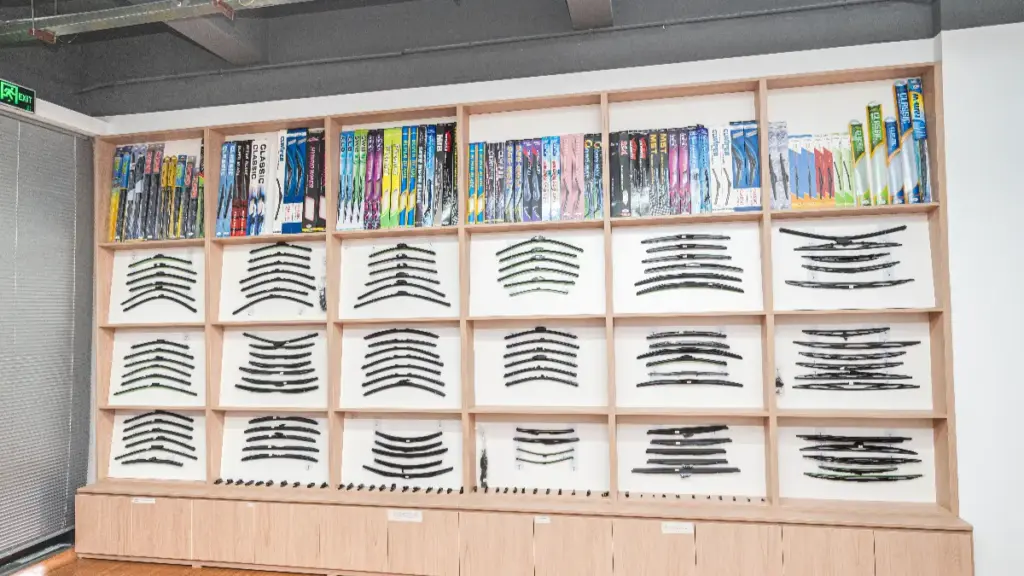
Cada canal difere não apenas no desempenho financeiro, mas também na lógica operacional e no papel estratégico. Uma comparação unificada ajuda a esclarecer como o varejo, atacado, e canais online trabalham juntos em um sistema de negócios completo.
Comparação de canais nas principais dimensões de negócios
| Dimensão | Varejo | Atacado | On-line |
|---|---|---|---|
| Estrutura de margem | Alta margem por unidade | Margem moderada, mas estável | Variável devido ao custo do anúncio e à concorrência |
| Escalabilidade | Limitado pela presença local | Alta distribuição em massa | Escalabilidade global muito alta |
| Velocidade do fluxo de caixa | Rápido e transacional | Ciclos estáveis, mas mais lentos | Rápido, mas instável |
| Lógica operacional | Serviço + instalação orientada | Contrato + impulsionado pela oferta | Tráfego + impulsionado pela conversão |
| Força chave | Forte captação de demanda local | Volume previsível de longo prazo | Entrada rápida no mercado global |
Esta estrutura mostra que cada canal desempenha um papel diferente em vez de competir diretamente. Varejo apoia demanda imediata, atacado garante estabilidade de produção, e canais online impulsionam expansão e visibilidade.
Construindo uma estratégia de canal híbrido controlada
Um negócio de limpadores de para-brisa bem-sucedido integra o varejo, atacado, e canais on-line em um sistema, mas atribui a cada canal uma função específica para evitar sobreposição. Atacado fornece volume estável, on-line impulsiona a expansão do mercado, e varejo apoia a demanda local urgente. A chave é uma separação clara de preços, que impede a concorrência interna e protege as margens a longo prazo.
Como os parceiros de fábrica apoiam a estratégia de canal
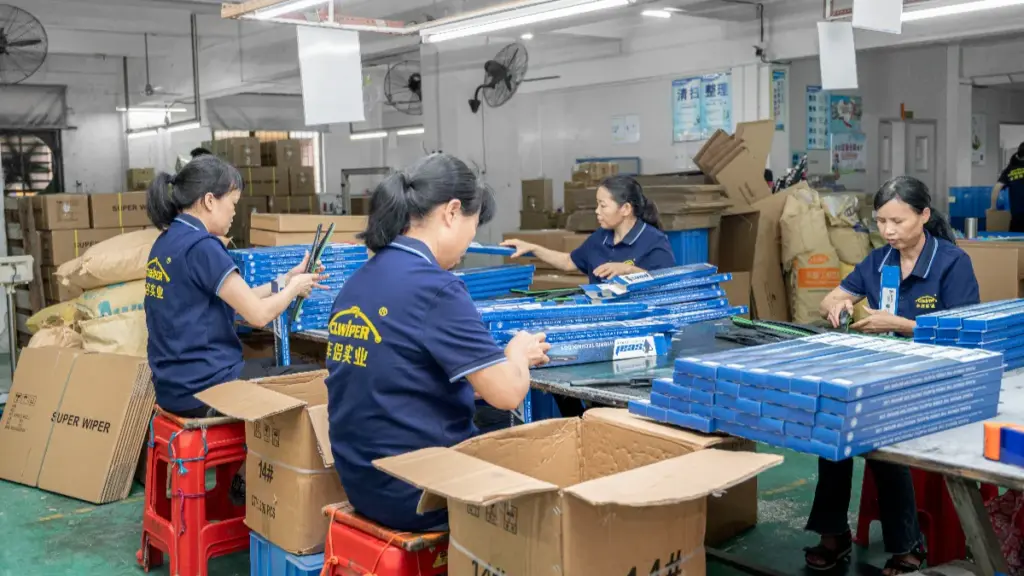
A capacidade da fábrica afeta diretamente se uma estratégia de canal funciona em operações reais. Mesmo um modelo de vendas forte não pode ser escalado sem uma produção estável, manuseio flexível de SKU, e desempenho de entrega confiável.
Necessidades da fábrica no varejo, atacado, e modelos on-line
Em vez de tratar todos os canais da mesma forma, as fábricas devem ajustar sua lógica de produção com base em como os produtos são vendidos e distribuídos.
| Canal | Padrão de pedido | Requisito de fábrica |
|---|---|---|
| Varejo | Pequenos pedidos frequentes impulsionados pela demanda de substituição do usuário final | Resposta rápida de produção com produção flexível de pequenos lotes |
| Atacado | Grandes pedidos em grandes quantidades com base em contratos e planejamento de longo prazo | Produção em massa estável com controle de qualidade consistente |
| On-line | Pedidos em rápida mudança impulsionados pelas tendências da plataforma e pelo desempenho da listagem | Alta flexibilidade de SKU com embalagens rápidas e atualizações de especificações |
Esta estrutura destaca um ponto-chave: nenhuma configuração de fábrica se adapta a todos os canais sem ajuste.
Capacidade OEM/ODM e flexibilidade de SKU
A capacidade OEM/ODM permite que as marcas atendam diferentes canais sem mudar de fornecedor. Suporta ajustes na embalagem, marca, e especificações do produto com base nas necessidades do mercado.
Na prática, isso melhora a eficiência operacional, permitindo atualizações mais rápidas de produtos e reduzindo os custos de troca de fornecedor. É especialmente importante para marcas que operam no varejo, atacado, e canais online ao mesmo tempo.
Alinhamento simples entre estratégia de fábrica e canal
A seleção da fábrica deve sempre seguir o foco do canal.
Modelos de varejo exigem velocidade. Modelos de atacado exigem estabilidade e volume. Modelos online exigem flexibilidade e resposta rápida de SKU.
Quando esse alinhamento é claro, marcas como CLIPPER pode ser dimensionado em vários canais, mantendo a produção estável e os custos sob controle.
Você pode estar interessado em: Como planejar seu mix de produtos de palhetas para novos mercados
Como escolher um fabricante de lâmina de limpador de marca própria para sua marca
Perguntas frequentes
Uma nova linha de limpadores deve ser lançada no varejo, atacado, ou on-line primeiro?
O caminho de lançamento mais seguro é primeiro online, seguido por contas de atacado independentes, e, finalmente, grandes redes de varejo. Começar on-line permite testar a precisão da instalação, preços, e taxas de retorno com feedback imediato. Depois de provar que o produto funciona e as devoluções estão sob controle, compradores atacadistas levam você a sério. Os grandes varejistas só considerarão a marca depois que você demonstrar uma cadeia de suprimentos estável e velocidade de vendas comprovada.
Qual modelo de negócios de limpador produz as margens mais altas?
Direto ao consumidor (CDT) marcas de limpadores premium que usam uma estratégia de marketing educacional e programas de substituição em oficinas geram as margens mais altas. Modelos DTC contornam intermediários, permitindo que você capture margens de fabricante e de varejo. Para centros de serviços, a integração de substituições de limpadores durante as inspeções de rotina aumenta as vendas de peças com alta margem, além de vendas adicionais de mão de obra e diagnóstico.
Pode varejo, atacado, e as vendas de limpadores on-line sejam combinadas sem confusão de marca?
Sim, supondo que você mantenha uma arquitetura de marca rígida. A promessa do seu produto principal deve permanecer a mesma, mas a experiência de compra tem que corresponder ao cliente. Você consegue isso aplicando preços específicos do canal, usando embalagens distintas para vendas B2B em massa versus vendas ao consumidor no varejo, e aplicando rigorosamente o preço mínimo anunciado (MAPA) políticas para proteger seus parceiros de varejo contra subcotações on-line.
Como o planejamento de SKU difere entre vendas B2B e de mercado online?
O planejamento B2B requer alta profundidade de estoque em uma faixa restrita de SKUs. Prioriza embalagens a granel e fornecimento consistente para frotas de veículos específicas ou distribuidores regionais. As vendas no mercado exigem amplitude máxima de SKU para cobrir milhares de equipamentos de veículos e pesquisas de cauda longa. Você precisa de inventário distribuído ou virtual para atender às expectativas de remessa rápida enquanto lida com um enorme catálogo de tipos de conectores e comprimentos de blade.
Quais recursos de fábrica são essenciais para uma nova marca de limpadores?
Antes de assinar um contrato, verifique se a fábrica realmente corresponde ao seu modelo de negócios específico. Você precisa de prova documentada de consistência de qualidade, conformidade regulatória, e métricas de desempenho como operação sem riscos e resistência UV. Confirme as quantidades mínimas de pedido (Quantidade mínima) alinhe-se com seu orçamento de lançamento. Finalmente, auditar suas opções de personalização de embalagens e prazos de entrega para que você saiba que eles podem lidar com picos repentinos de demanda sazonais sem atrapalhar sua cadeia de suprimentos.
Considerações Finais
Os modelos de negócios de palhetas de limpador moldam diretamente a forma como as empresas crescem, competir, e gerenciar a estabilidade de longo prazo no mercado de reposição automotiva. Varejo, atacado, e canais on-line criam caminhos de crescimento diferentes, especialmente como Veículos EV e ADAS aumentar as expectativas de desempenho e consistência do produto.
O sucesso sustentável depende de mais do que selecionar um canal. Requer alinhamento entre a estratégia do canal, posicionamento do produto, e capacidade de fábrica para garantir fornecimento estável e operações eficientes. Para empresas que buscam construir ou otimizar esta estrutura, CLWIPER fornece fabricação suporte projetado para atender diferentes varejistas, atacado, e modelos de negócios on-line em mercados globais.